What Does Remanufactured Mean For Car Parts

Let's face it, cars are complicated, and keeping them running can be expensive. But what if you could save some serious cash without sacrificing quality? That's where the world of remanufactured car parts comes in! It might sound a little sci-fi, but it's actually a pretty straightforward and surprisingly useful concept. Think of it as giving old parts a new lease on life – and keeping your wallet happy in the process.
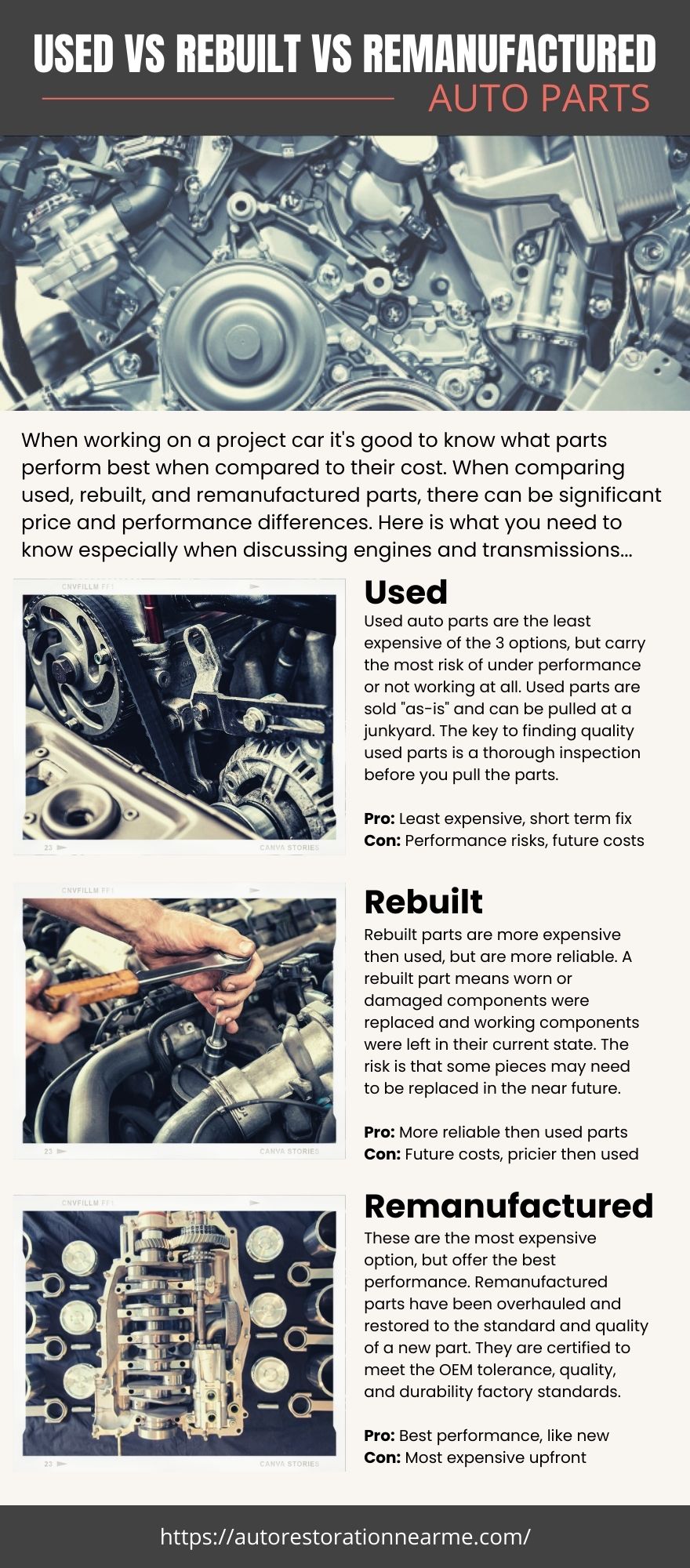
So, what exactly does remanufactured mean? Basically, it's taking a used car part, like an alternator, starter, or even an engine, and bringing it back to like-new condition. This isn't just a simple cleaning and painting job. We're talking about a thorough process involving disassembling the part, cleaning it meticulously, replacing worn or damaged components with new ones, and then reassembling it to meet or even exceed original factory specifications. It's like a spa day and a mechanical makeover all rolled into one!
Why should you care? Well, the benefits are pretty sweet, especially for different types of car owners:
Must Read
- For Beginners: If you're new to car maintenance, the sheer number of parts and their price tags can be daunting. Remanufactured parts offer a more affordable entry point. You get a reliable part without breaking the bank, allowing you to learn about car repair without the added financial stress.
- For Families: Families often juggle multiple expenses. Remanufactured parts provide a budget-friendly way to keep the family car running smoothly, ensuring everyone gets to school, work, and soccer practice without any unexpected breakdowns (or unexpected repair bills!).
- For Hobbyists: Car enthusiasts often appreciate the sustainable aspect of remanufacturing. It's a way to reduce waste and give new life to existing components, plus you get the performance you need without always opting for the most expensive brand-new parts. Think of it as eco-friendly performance enhancement!
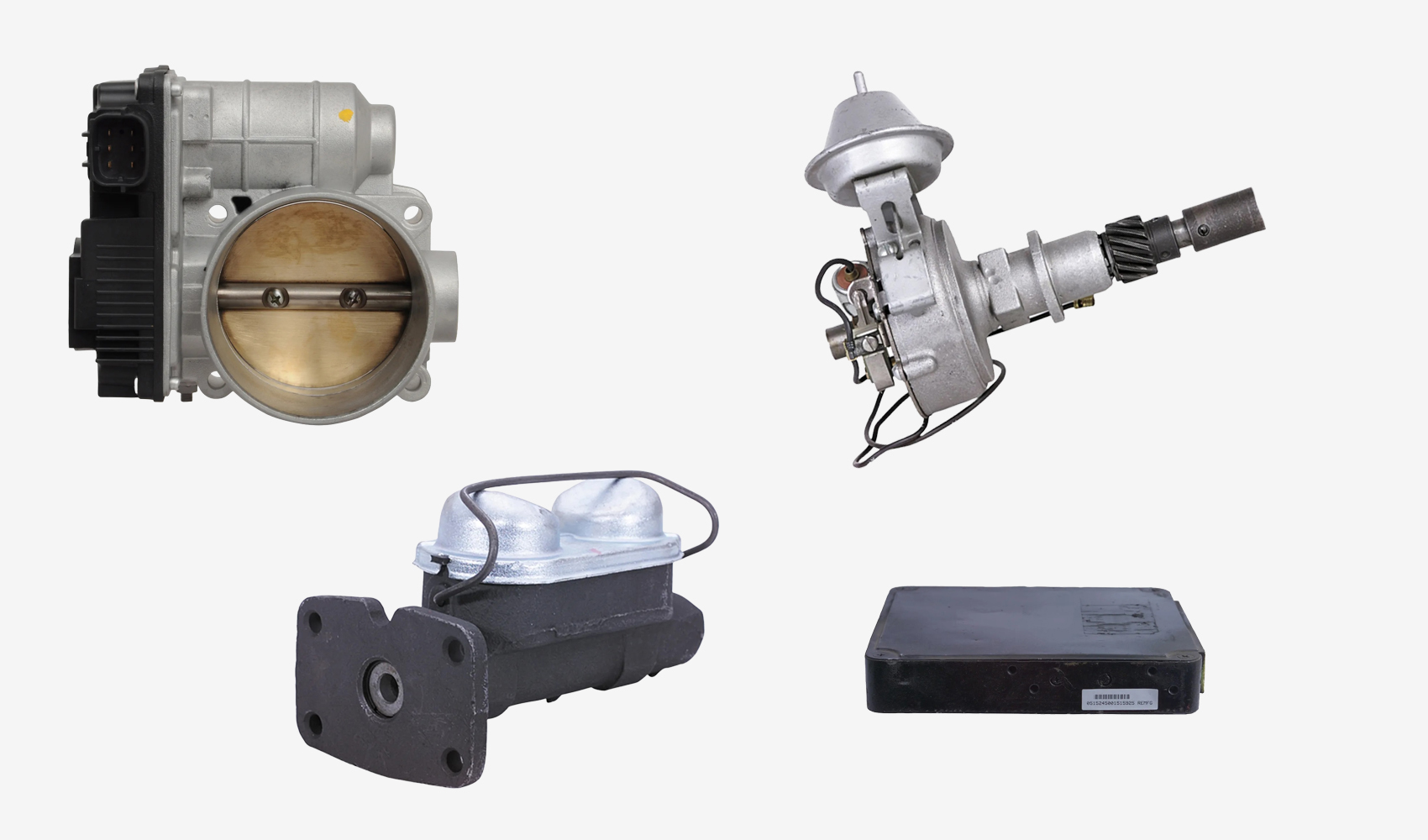
Examples and Variations: Remanufactured parts aren't limited to just engines and transmissions. You can find remanufactured alternators, starters, water pumps, brake calipers, steering racks, and even electronic control modules (ECMs). Each part undergoes a specific remanufacturing process, tailored to its function and common failure points. Some remanufacturers even offer upgraded versions of parts, improving upon the original design for enhanced performance or durability.
Getting Started with Remanufactured Parts:
- Do Your Research: Look for reputable remanufacturers that offer warranties on their parts. A good warranty is a sign of confidence in their process.
- Compare Prices: Remanufactured parts are generally cheaper than new ones, but prices can vary. Shop around to find the best deal.
- Ask Questions: Don't be afraid to ask your mechanic or parts supplier about the remanufacturing process and the quality of the parts.
- Check the Warranty: Understand the terms of the warranty before you buy. What's covered? How long does it last?
Ultimately, exploring remanufactured car parts can be a rewarding experience. You'll not only save money, but you'll also contribute to a more sustainable approach to car maintenance. Plus, you might just learn a thing or two about how your car works in the process. So, next time you're facing a repair bill, consider the remanufactured option – your wallet (and the planet) will thank you!