
What Does Refer To Maker Mean On Returned Check
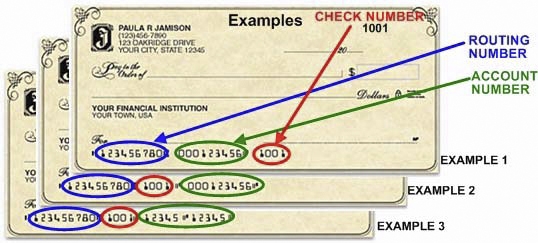
That Pesky "Refer to Maker" on Your Returned Check: A Comedy of Errors (and Maybe Some Forgiveness)
Ever stared blankly at a returned check stamped with the cryptic words "Refer to Maker"? It sounds official, maybe even a little intimidating, doesn't it?
It's enough to make you sweat, imagining some ancient banking law being invoked against you. But fear not, dear reader! The truth, as often happens, is far less dramatic (and sometimes even a bit funny).
The Drama Behind the Stamp
Simply put, "Refer to Maker" means that the bank isn't going to pay the check, and they aren't giving the exact reason why.
Must Read
The bank is telling the person trying to cash the check, "Hey, you need to ask the person who wrote this (the 'maker') why this check is no good."
Think of it like this: the bank is playing the role of a polite, but firm, referee in a playground squabble.
The Mystery of the Missing Funds (Or Other Check-Related Mishaps)
So, what could possibly cause a check to be rejected with such vagueness? Well, buckle up, because the possibilities are surprisingly varied.
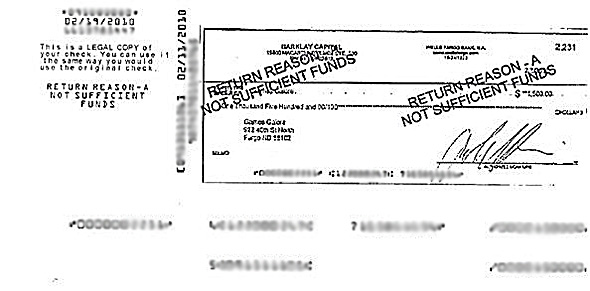
Often, it boils down to insufficient funds. Yep, the classic "bounced check" scenario, where your account balance is lower than the check amount.
But it can be more nuanced than that. Sometimes, it's a case of mistaken identity... of funds.
Possible Culprits: A Rogues' Gallery of Check-Rejecting Reasons
Imagine this: you think you have enough money in your account, but you forgot about that automatic payment that just went through. Ouch!
Or perhaps you wrote the check for more than you actually had, hoping to deposit funds before it was cashed (we've all been there, haven't we?).
Other times, it’s just a plain old mistake. Maybe you accidentally wrote the wrong date (post-dating is a no-no!). Or perhaps your signature is unreadable (that artistic flourish might be your undoing!).
And let's not forget the possibility of fraud! A suspicious transaction might trigger a security hold on your account, preventing checks from clearing.
"Refer to Maker" isn't necessarily an accusation of wrongdoing, but it's definitely a red flag. – The Slightly Worried Banker
The Awkward Conversation (and How to Avoid It)
The real fun begins when the person you wrote the check to comes knocking (or calling). Prepare for an awkward conversation!
Honesty is the best policy. Explain the situation calmly and sincerely. A little humility can go a long way.
Offer to make things right immediately. A replacement check, a cash payment, or a digital transfer are all good options. The goal is to resolve the issue quickly and amicably.
Turning Lemons into Lemonade: The Art of Apology
Sometimes, a heartfelt apology is all it takes to smooth things over. Acknowledge the inconvenience you caused and express your regret.
A small token of apology, like a box of chocolates or a gift card, can also help mend fences. Especially if the check was for something important, like a birthday gift!
Remember, a little kindness can go a long way in building (or rebuilding) relationships. And it's certainly better than a potential legal battle.
The "Refer to Maker" Survival Guide: Pro Tips to Keep Your Checks Bouncing-Free
Now that we've explored the potential pitfalls of "Refer to Maker", let's talk about prevention. A little planning can save you a lot of headaches (and embarrassment).
First and foremost, always, always, always check your account balance before writing a check. Modern banking apps make this easier than ever. No excuses!
Keep a detailed record of your transactions. Knowing where your money is going is crucial for avoiding overdrafts and other financial mishaps.
Avoiding the "Refer to Maker" Stamp of Shame
Sign up for overdraft protection. This can help prevent checks from bouncing by automatically transferring funds from a linked account (like a savings account) to cover any shortfalls.

Consider using alternative payment methods. Online bill pay, debit cards, and credit cards are often more reliable and convenient than paper checks. Plus, you earn rewards with some credit cards.
Review your bank statements regularly. Catching errors or fraudulent activity early can prevent serious financial problems.
If you know you're going to be short on funds, communicate with the person you wrote the check to before they try to cash it. Transparency is key!
The Unexpected Benefits of a Bounced Check? (Seriously!)
Believe it or not, a "Refer to Maker" incident can sometimes have unexpected positive consequences.
It might force you to get your financial act together, leading to better budgeting habits and a stronger understanding of your cash flow. It's like a financial wake-up call!
It can also strengthen your relationships. Overcoming a minor crisis together can build trust and understanding.

From Financial Fumble to Friendship Fuel
Imagine this: you accidentally bounce a check to your neighbor for the babysitting money. Instead of getting angry, she understands and works with you to resolve the issue.
This leads to a deeper conversation about finances, and you both realize you share similar struggles. You end up becoming closer friends, supporting each other through thick and thin. A returned check bonded you.
Okay, maybe that's a bit of a stretch, but you never know! Sometimes, the most unexpected things can lead to positive outcomes.
The Final Word: "Refer to Maker" - A Reminder to Be Mindful (and Maybe Laugh a Little)
So, the next time you see "Refer to Maker" stamped on a returned check, don't panic. Take a deep breath, assess the situation, and address the issue with honesty and humility.
It's a reminder to be mindful of our finances, communicate openly, and extend grace to ourselves and others when mistakes happen.
And hey, if you can find a little humor in the situation, all the better! After all, life is too short to sweat the small stuff. Especially when it involves bouncing checks.
Remember "Refer to Maker" is just a fancy way of saying "oops!" Learn from it, laugh about it, and move on. You've got this!