
What Does Pet Mean In Plastic
Ever found yourself staring at the bottom of a plastic bottle, scratching your head at the letters "PET" and wondering, "What does my pet have to do with this plastic?" You're not alone! It's a common little head-scratcher, but trust us, this isn't about your beloved furry, finned, or feathered companions.
No, we're not talking about Fido, Fluffy, or even that particularly sassy parrot. We're diving into the fascinating (and surprisingly fun!) world of plastic identification. And spoiler alert: knowing what "PET" means can actually make your life a little more interesting, a little more eco-friendly, and a whole lot more informed!
PET: Not a Critter, But Still Pretty Cool!
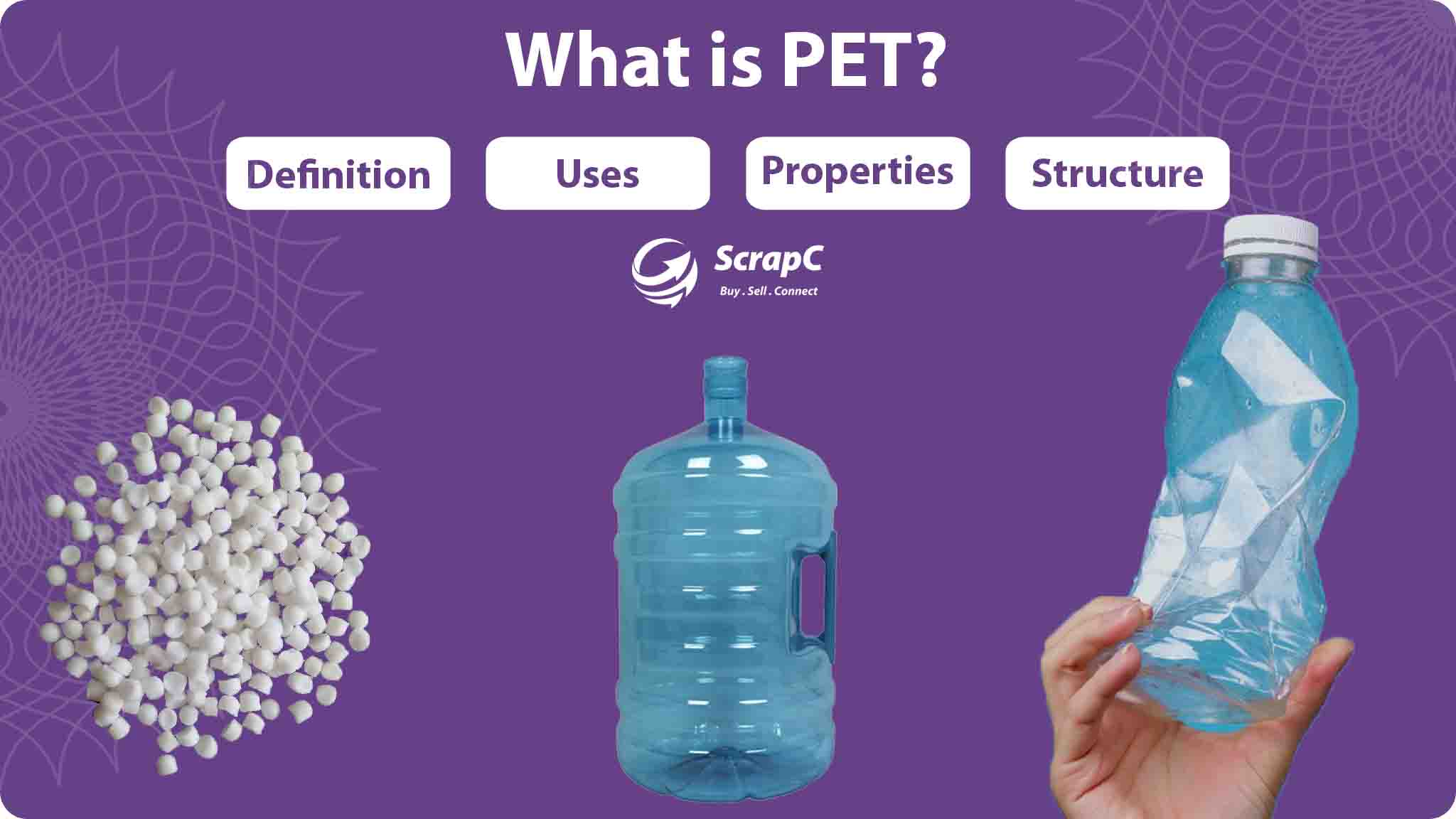
So, what is PET? Drumroll please... it stands for Polyethylene Terephthalate. Yes, it's a mouthful, we know! Try saying that five times fast. But don't let the big words scare you off. What you really need to know is that PET is a superstar in the plastic world.
Must Read
Think about it: Almost every time you grab a single-use plastic water bottle, a soda bottle, or even a jar of peanut butter, you're likely holding PET. It's the go-to material for these items because it's lightweight, incredibly strong, and wonderfully clear. Plus, it does a fantastic job of keeping your drinks and food fresh and safe.
Why This Tiny Label Holds a Giant Secret (and Makes You Smarter!)
Knowing about PET isn't just trivia for your next pub quiz; it's genuinely useful! When you see that little triangle symbol with a "1" inside and "PET" underneath, you're not just looking at plastic. You're looking at a beacon of recyclability!

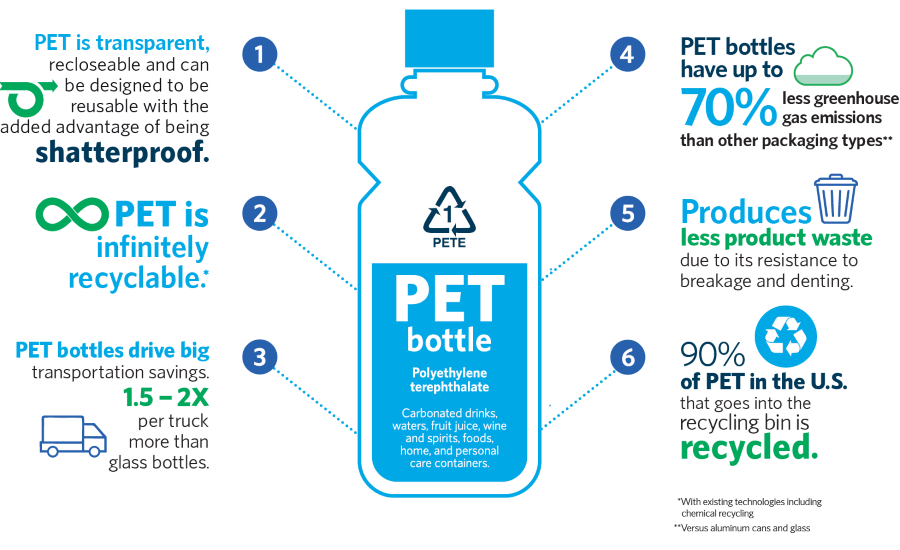
PET is one of the most widely recycled plastics on the planet. And when we say widely, we mean widely. It can be recycled into all sorts of new goodies, from fresh bottles and food containers to polyester fibers used in clothing, carpets, and even insulation. How cool is that?
Imagine the journey: your empty water bottle gets tossed into the recycling bin, sorted, cleaned, melted down, and reborn as a cozy fleece jacket or perhaps even another bottle. It’s like a never-ending eco-friendly magic trick, and you're the magician!
Turn Plastic Pondering into Pure Pleasure!
So, how does knowing about PET make life more fun? For starters, it turns you into a bit of an eco-hero! When you confidently toss that PET bottle into the correct recycling bin, you're not just discarding trash; you're actively participating in a circular economy. You're reducing waste, conserving resources, and making a tangible difference. That's a feel-good moment right there, isn't it?
Beyond that, it makes you a smarter shopper. Ever looked at two similar products and wondered which one had a better environmental footprint? Now you have a tool! Knowing which plastics are easily recycled can guide your purchasing decisions, helping you support brands that prioritize sustainability. It’s like having an insider tip for living a greener life!
Plus, let's be honest, it's a fantastic conversation starter. Next time someone mentions their pet, you can playfully interject, "Speaking of PET, did you know what it means on plastic bottles?" You'll be dropping knowledge bombs like a pro, and who doesn't love feeling smart and savvy?
Your Superpower: Knowing Where It Goes!
Understanding PET empowers you. It takes the guesswork out of recycling. No more standing confused by the bins, wondering if this plastic "thing" goes here or there. You see that #1, you see "PET," and you know exactly what to do. It’s a small piece of knowledge with a big impact.
By properly recycling PET, you’re helping to reduce landfill waste, decrease the demand for new raw materials (which saves energy and reduces pollution), and support the creation of innovative new products. Your small act of mindful recycling contributes to a much larger, healthier planet. It’s a direct connection between your everyday actions and global well-being.
Go Forth and Explore the Plastic Frontier!
So, the next time you see "PET" on a plastic item, smile! Remember it's not about whiskers or wagging tails, but about one of the most versatile and recyclable materials in our world. You're now in on the secret, and you have the power to make a positive impact just by knowing a few letters.
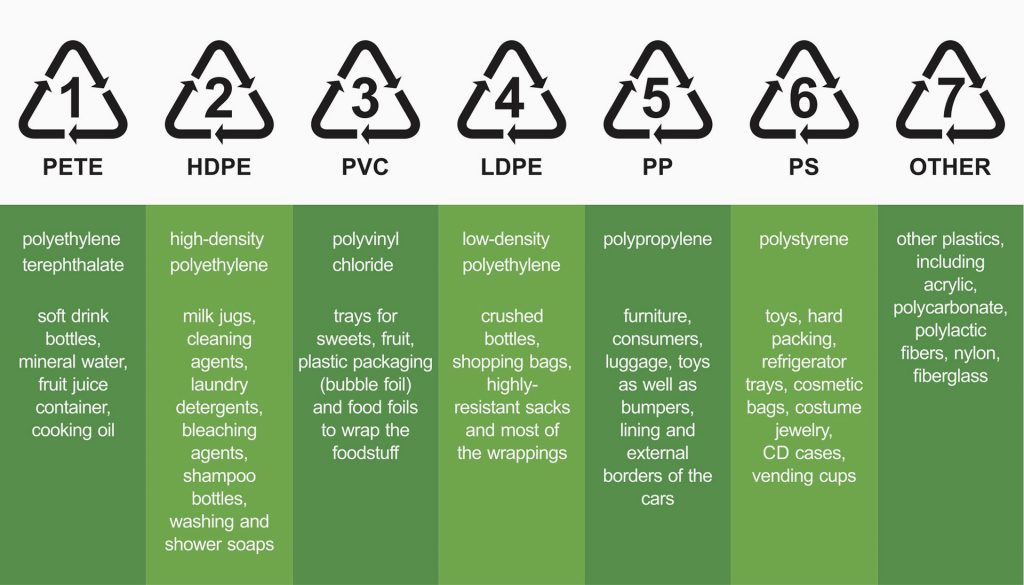
This is just the tip of the plastic iceberg, of course! There are other numbers and letters on plastics (HDPE, PVC, LDPE, PP, PS, and "Other"), each with its own story. But starting with PET gives you a fantastic foundation. Feel inspired to look up what those other symbols mean! The more you know, the more informed your choices become, and the more actively you can participate in creating a more sustainable future.
Embrace the knowledge, feel the power, and let your journey into the world of plastics be one of curiosity, contribution, and continuous positive change. Because every little bit of knowledge, especially about something as ubiquitous as plastic, truly makes our world a better, brighter, and certainly more interesting place!