
What Does Mig In Welding Mean
Ever heard someone toss around welding terms and felt a tiny spark of confusion? Like, what in the world is a MIG? Sounds like a character from a video game, right? Or maybe a super-secret spy agency? Well, buckle up, buttercup, because we're about to dive into the surprisingly fun world of MIG welding, and trust me, it's way cooler than it sounds!
Let's strip away the serious workshop vibes for a second. Imagine you're making something awesome out of metal. You want it strong, you want it pretty, and you don't want it to take forever. That's where MIG saunters in, wearing its cool sunglasses.
So, What's the Big Deal with "MIG"?
It's an acronym, a fancy word for a clever initialism. And it stands for Metal Inert Gas. See? Not a spy agency after all, but still pretty important!
Must Read
Let's break down this funky name, piece by piece, because each part is kind of a superstar in its own right.
The "M" for Metal (Mmm, Metal!)
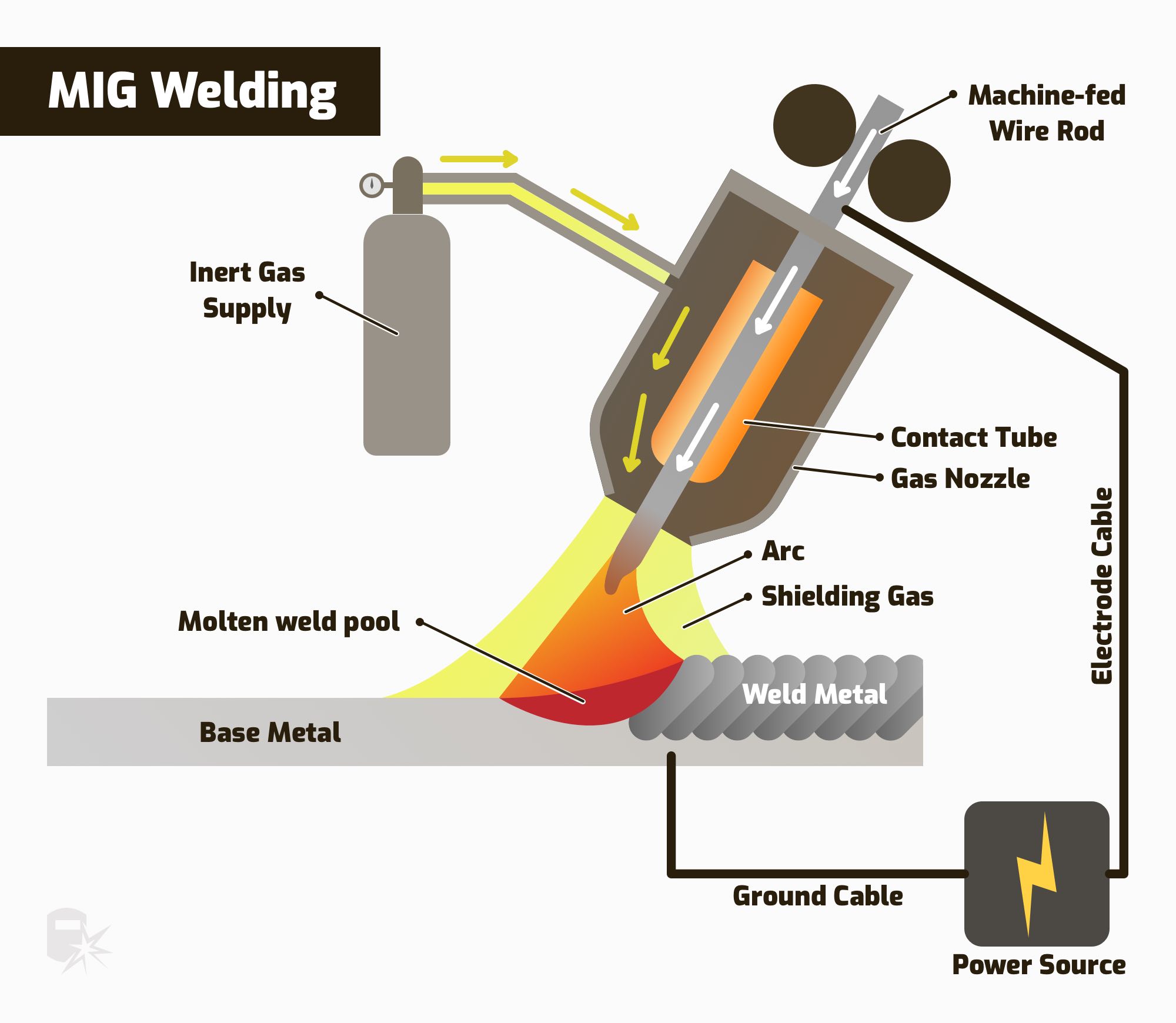
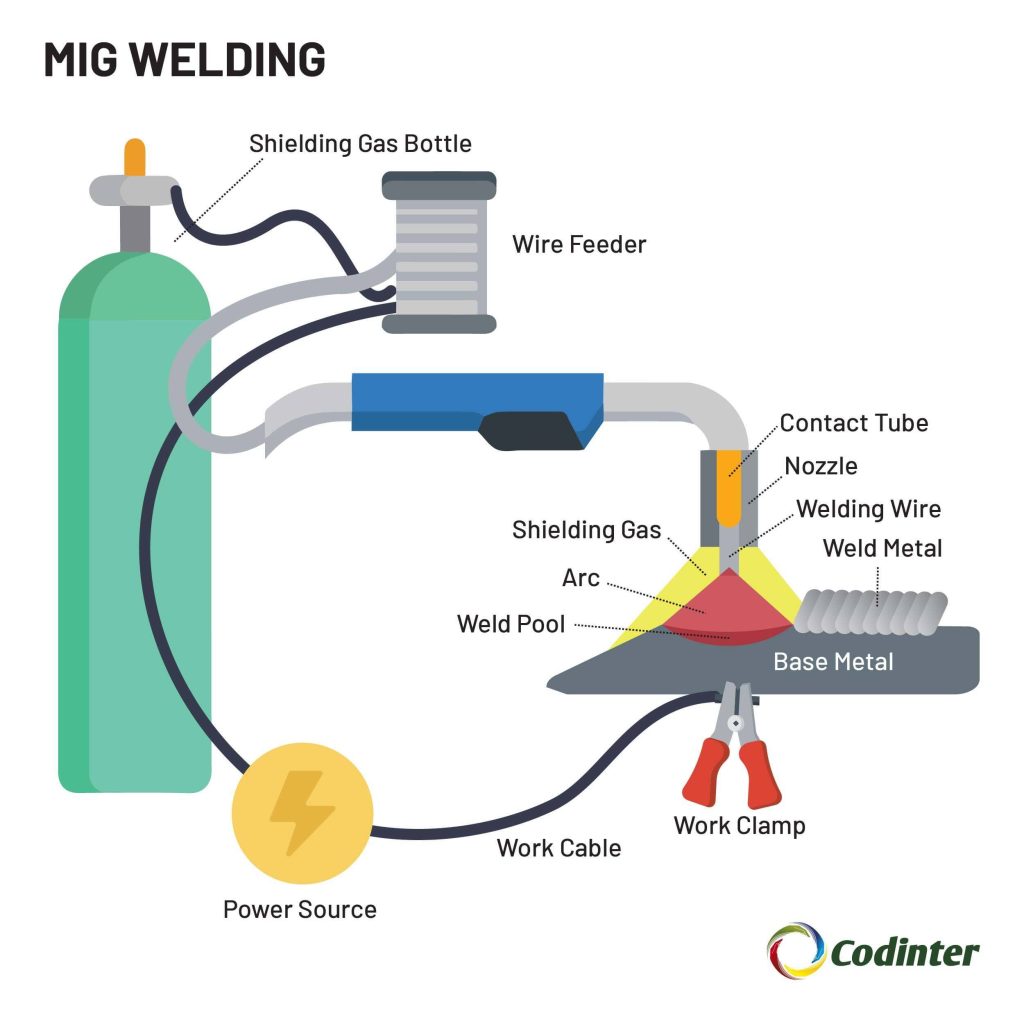
This "Metal" part is your secret weapon. It's a special wire that feeds continuously from a spool, like a never-ending pencil lead, but made of metal! This wire is your filler material. It's what melts and forms the bond between your two pieces of metal. Think of it as the super-strong, molten glue that fuses everything together.
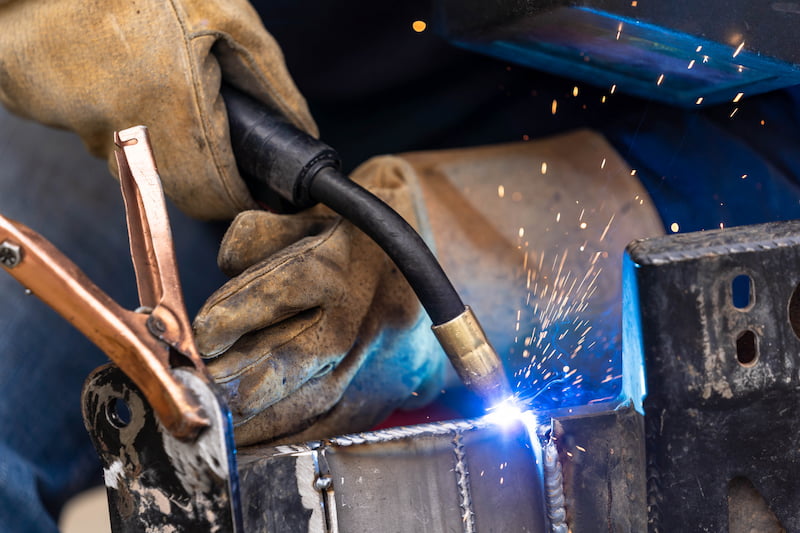
And here's a fun fact: this wire also acts as the electrode! It carries the electrical current that creates the intense heat needed for welding. It's doing double duty, a real multitasking champ. Just imagine, one tiny wire, doing all that heavy lifting! It's like the unsung hero of the welding world.
The "IG" for Inert Gas (The Invisible Protector!)
Now, this is where things get a little sci-fi. The "Inert Gas" part is crucial. As the wire melts, it needs protection from the bad guys lurking in the air: oxygen and nitrogen. If these airborne bullies get into your molten weld, they'll cause porosity (tiny holes) and make your weld weak and ugly. Nobody wants a weak, ugly weld!
Enter the inert gas. It flows out of the welding gun, surrounding the arc and the molten puddle of metal like a tiny, invisible, super-hero force field. It pushes away all those pesky atmospheric contaminants. Common inert gases include Argon or a mix of Argon and CO2 (which, technically, makes it GMAW – Gas Metal Arc Welding – but let's stick to MIG for simplicity, because it's still largely "inert" in its shielding role for many applications). It's like giving your weld a personal bodyguard, ensuring it stays pure and strong.

Isn't that neat? An invisible shield, all just to make sure your metal sticks together perfectly. It’s a bit like having a tiny, dedicated fan blowing away all the dust while you’re trying to paint a masterpiece. Except, you know, with fire and molten metal. Much cooler!
How Does This Magic Happen? (The Hot Glue Gun of Metal)
Okay, so you've got your metal wire and your invisible gas shield. How does it all come together? You pull a trigger on the welding gun. ZAP! Electricity flows, the wire starts feeding, and a super-hot electrical arc sparks between the wire and your workpiece.
This arc generates incredible heat – enough to melt the wire and the base metal almost instantly. The molten wire then fuses with the molten base metal, creating a puddle that quickly cools and solidifies into a strong, unified bond. It’s essentially a very, very powerful, very hot, very precise hot glue gun for metal. But instead of plastic sticks, you're using a spool of metal wire, and instead of just sticking things, you're fusing them at a molecular level!
The satisfaction of watching that puddle form, sizzle, and then cool into a perfectly smooth bead? It's genuinely addictive. It’s like drawing with fire, and your canvas is a metal masterpiece in the making.
Why MIG is the Bee's Knees for Beginners and Pros Alike
So, why is MIG welding so popular, especially for folks just starting their welding journey? For a few fun reasons:
- It’s fast! Because the wire feeds continuously, you don't have to stop and change rods like with some other welding processes. It's a smooth, uninterrupted flow of molten goodness. More welding, less faffing!
- It’s (relatively) easy to learn! Think of it as the friendly entry point to welding. Get your settings dialed in, keep a steady hand, and you’ll be laying down decent beads in no time. It's far more forgiving than some of its finicky welding cousins.
- Less mess! Compared to stick welding, MIG generally produces less spatter (those tiny, annoying bits of molten metal that fly everywhere like fiery confetti). Your workshop stays a little tidier, which is always a win!
- Versatility is its middle name! You can weld all sorts of metal thicknesses, from thin sheet metal for auto body repairs to thicker sections for structural projects. It's the Swiss Army knife of welding processes, ready for almost anything you throw at it.
- Pretty welds! With a bit of practice, you can lay down some really beautiful, smooth, consistent welds with MIG. They look like perfectly stacked coins, or maybe a neat row of tiny, metallic dragon scales. Very satisfying to behold!
Quirky Details and Fun Feelings
There are just some things about MIG that make you grin. The sound, for one, is iconic. It's a steady, satisfying buzz or sizzle, like a well-fed beehive or bacon frying perfectly on a hot griddle. That sound tells you everything's going right, that the metal is happily fusing.

And then there's the transformation. You take two separate, inanimate pieces of metal, apply some controlled lightning and molten magic, and boom! They become one. It's like alchemy, turning disparate parts into a single, stronger whole. You’re literally building things, making something durable and functional with your own two hands and a bit of controlled chaos.
From fixing a wobbly garden gate to fabricating custom car parts, or even sculpting metal art, MIG welding is the unsung hero enabling countless creative and practical endeavors. It turns ordinary metal into extraordinary creations, all thanks to a simple wire and an invisible gas.
So, the next time you hear "MIG," you'll know it's not some secret agent or a strange creature. It's the gateway to fusing metal, creating cool stuff, and enjoying a truly hands-on, fiery craft. Who knew an acronym could be so much fun?