What Does Methane Gas Smell Like
Ever caught a whiff of something a little... stinky? Maybe you thought, "Ah, that must be methane gas!" It’s a common thought, right? We often link certain distinct smells, especially those around natural gas or even some less-than-fresh ponds, directly to this invisible gas. But here’s where things get really interesting, and maybe a little surprising.
The Big Secret About Methane’s Scent
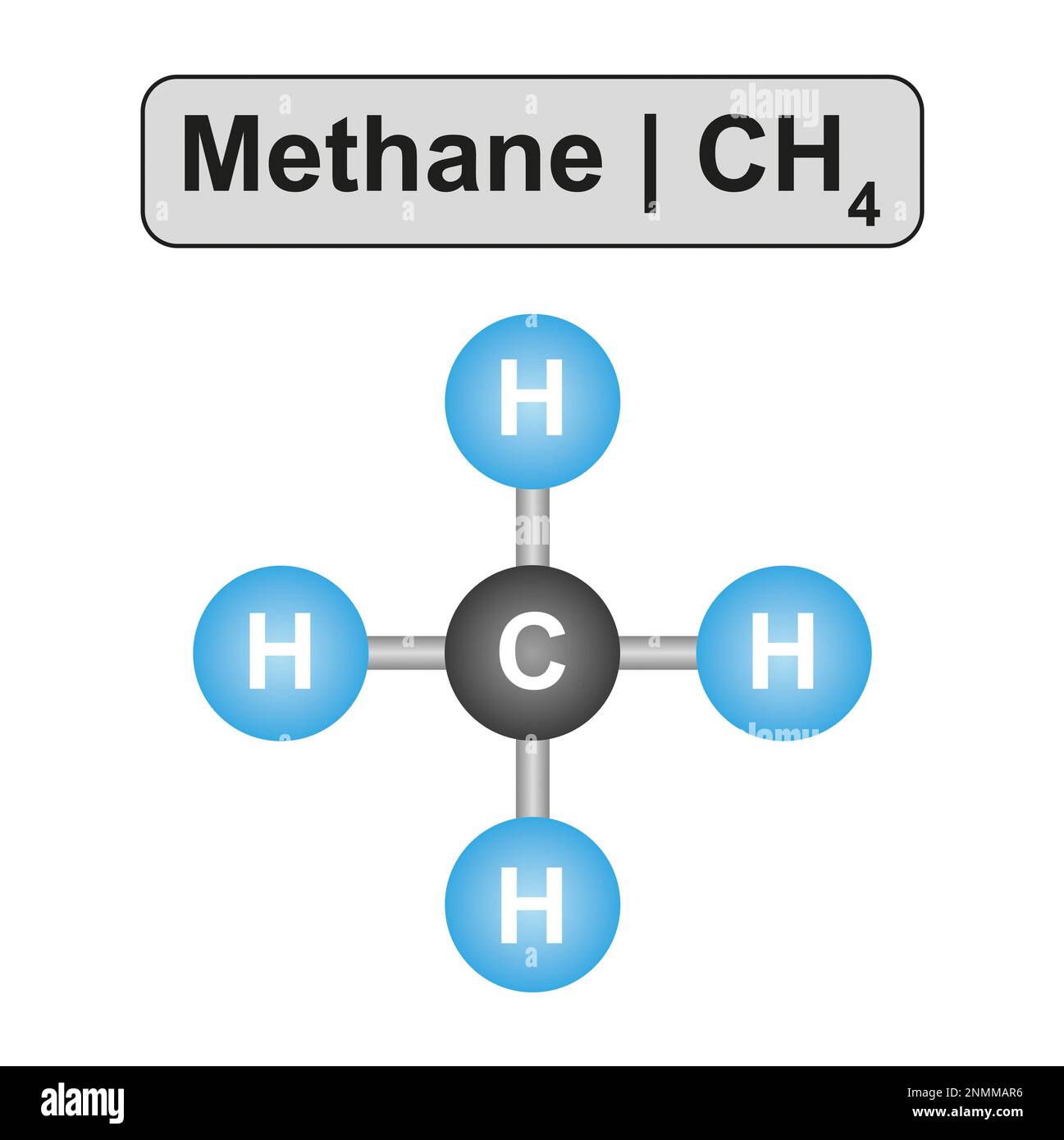
Prepare for a plot twist! Pure methane gas actually has no smell at all. That's right! It’s completely odorless, colorless, and you can't even taste it. Imagine a gas that's talked about so much, plays such a big role, yet perfectly hides its presence from our most sensitive sense – smell. Pretty wild, isn't it? It’s the secret agent of the gas world, perfectly camouflaged.
"Picture a gas that’s vital to our world, often making headlines, but one that plays the ultimate disappearing act for our senses. That’s pure methane for you – a true master of sensory disguise!"
This revelation might make you scratch your head. "But wait," you might say, "I've definitely smelled something when there's a gas leak! It smells like rotten eggs!" And you’re absolutely right to think that! This is precisely where the story gets even more fun and a bit clever.
Must Read
Unmasking the Smell You're REALLY Experiencing
So, if methane itself is a scent-free superstar, what's that unmistakable, tell-tale stink when you suspect a gas leak? That powerful odor, often described as rotten eggs or even boiling cabbage, isn't the methane at all. It’s actually a special, carefully chosen additive called a mercaptan. Think of these compounds like tiny, smelly superheroes, specifically designed for safety!
Gas companies add these pungent chemicals to natural gas – which, by the way, is primarily made up of methane – on purpose. Why? Because while methane is odorless, it can be quite dangerous. It's highly flammable, and if it accumulates in a closed space, it can pose serious risks. Since you can't see, taste, or smell pure methane on its own, adding that distinct, alarming odor is a brilliant safety measure. It gives you an immediate, unmistakable warning sign, telling you it’s time to open a window, evacuate, and call for help.

So, the next time you encounter that familiar "gas smell," you’re not smelling the gas itself. You’re actually smelling the ingenious efforts of safety engineers who want to keep you and your loved ones safe! It’s quite a genius solution, truly a testament to human ingenuity.
Methane in Nature: Still Playing Its Odorless Role?
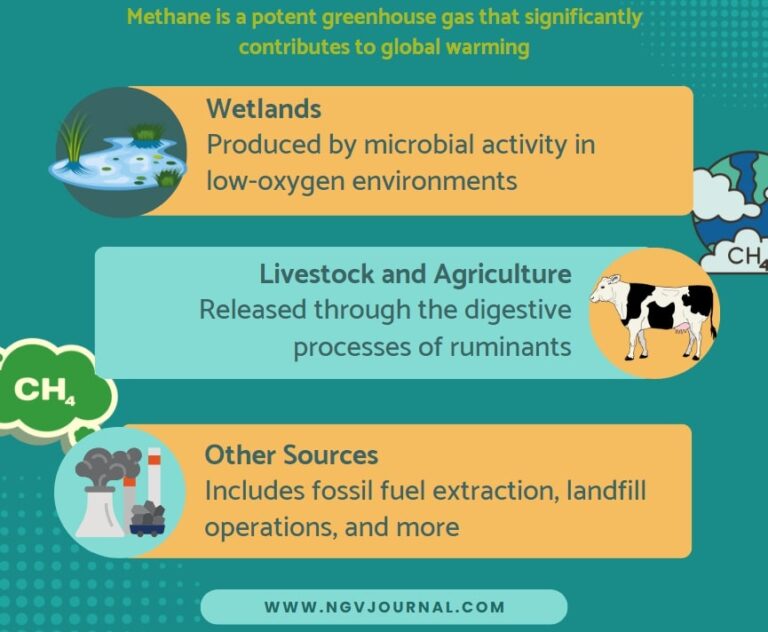
Methane isn't just found in the pipes under your street. Oh no, it’s also produced naturally in countless places all over our planet. Think about swamps, marshes, or even... cows! Yes, cows are significant producers of methane through their digestive processes. And if you’ve ever been near a swampy area or a bustling barn, you know there can be some pretty strong smells!
But guess what? Yet again, those distinctive aromas – be they muddy, earthy, or barn-like – aren't the methane itself. They are other gases and various organic compounds that are produced right alongside methane by decaying plants, busy bacteria, or animal digestion. The methane itself is still diligently doing its silent, scent-free thing. It truly is like the quiet, unassuming friend in a very loud, smelly group!

This remarkable characteristic makes methane truly special. It's absolutely everywhere, playing a big role in our world and even our climate, and yet, it steadfastly remains completely hidden from one of our most important senses – smell. It’s the ultimate master of disguise, effortlessly slipping past our noses without leaving a single trace.
Why This Methane Mystery Matters to You
Knowing this intriguing little secret about methane isn't just a fun fact to drop at your next dinner party (though it certainly will impress!). It highlights a truth about how tricky some things in our world can be. We often rely so much on our immediate senses to understand our surroundings, but sometimes, what we think we're sensing isn't quite the full, amazing story.
It’s also a powerful reminder of the clever solutions humans come up with for safety. That rotten-egg smell might not be pleasant, but it is a true lifesaver. It’s a testament to how we adapt and innovate to protect ourselves from things we simply can’t see or smell on their own.
So, the next time someone talks about the "smell of methane," you can now gently share this surprising truth. You might just spark a fun conversation! It really makes you curious about what other common beliefs might hold such a fascinating twist, doesn't it?
Go ahead, ponder this odorless wonder! It’s a gas with a secret, and now, you’re officially in on it. Pretty cool, right?