What Does House Gas Smell Like
Have you ever wondered about that distinct, unsettling odor that signals a potential gas leak? It's a smell everyone hopes to never encounter, but knowing it is incredibly important. Today, we're demystifying this unique scent and explaining why it’s one of the most crucial smells to recognize in your home. It might not sound like the most thrilling topic, but understanding this vital warning can genuinely make a difference in an emergency, making it a surprisingly useful piece of knowledge for everyone!
This isn't just a curious fact; it's a fundamental matter of safety. Natural gas itself, the kind that fuels your stove or heating system, is naturally odorless, colorless, and tasteless. That's right – if it weren't for a clever intervention, a leak could go entirely unnoticed, posing an extreme risk due to its high flammability. To protect us, utility companies add a special chemical to the gas, giving it a memorable, unpleasant smell. Recognizing this odor quickly could literally save lives and prevent serious accidents, making your nose your very own first line of defense against danger.
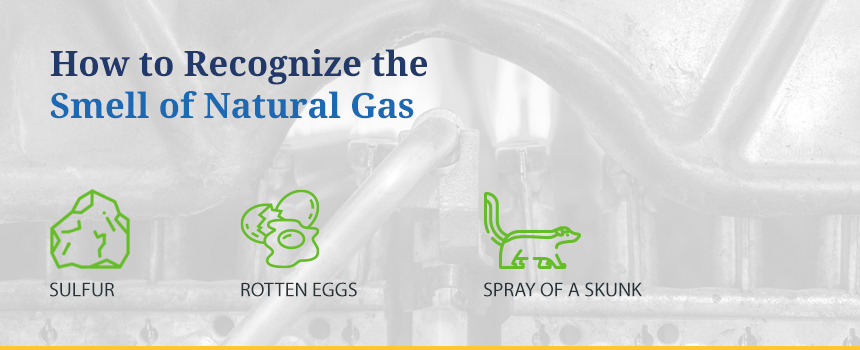
So, what exactly does this vital warning smell like? The most common and widely recognized description you'll hear is "rotten eggs." Imagine a potent, sulfurous, and distinctly pungent aroma – that unmistakable whiff you get from a boiled egg gone seriously bad, or perhaps a faint hint of garlic or even a sickly sweet, cabbage-like stench. It’s designed to be universally recognized as highly unpleasant and glaringly out of place in your home. The key is that it's strong, unusual, and persistent.
Must Read
The chemical responsible for this unmistakable odor is called mercaptan (often ethyl mercaptan). It's incredibly potent, meaning even a tiny concentration in the air can be detected by the human nose. This powerful, intentional scent acts as your home's built-in alarm system, triggering immediate awareness that something is wrong. Because natural gas is lighter than air and can accumulate quickly in enclosed spaces, this added scent is your only sensory indicator of a potential leak before it becomes a critical hazard.
Think of your sense of smell as your personal, always-on early warning system. Unlike smoke detectors that require batteries or regular testing, your nose is constantly on guard for gas leaks. Training yourself to identify this particular smell means you're prepared to react swiftly and correctly if you ever detect it. This simple piece of knowledge truly empowers you to protect yourself and your loved ones.

If you ever smell what you suspect is natural gas – that tell-tale "rotten egg" odor – here's the crucial drill to remember:
- Do not use any electrical switches or appliances. No lights, no phones, no igniting anything. A tiny spark could trigger an explosion.
- Leave the building immediately. Get yourself and anyone else out to a safe distance, away from the potential source.
- Once outside, call your gas company's emergency line or 911 from a cell phone. Do not go back inside for anything. Let trained professionals handle the situation.
Knowing the smell of house gas isn't a fun party trick; it's a fundamental aspect of home safety. By understanding what to look (or rather, smell) for and how to react, you're equipping yourself with critical knowledge that can keep you and your loved ones safe. So, next time you hear someone mention that "rotten egg" smell, you'll know exactly what they're talking about and why it's so important to never ignore it!