What Does Gas Control In A House
Ever stopped to think about the incredible comforts your home offers? Warm showers, cozy heating on a chilly day, and delicious meals simmering on the stove – many of these everyday luxuries are powered by natural gas. But behind the scenes, there's a fascinating and absolutely crucial system of "gas control" that makes it all possible, safe, and efficient. It might sound technical, but understanding these unseen heroes of your home is surprisingly interesting and incredibly useful, empowering you to keep your household running smoothly and securely.
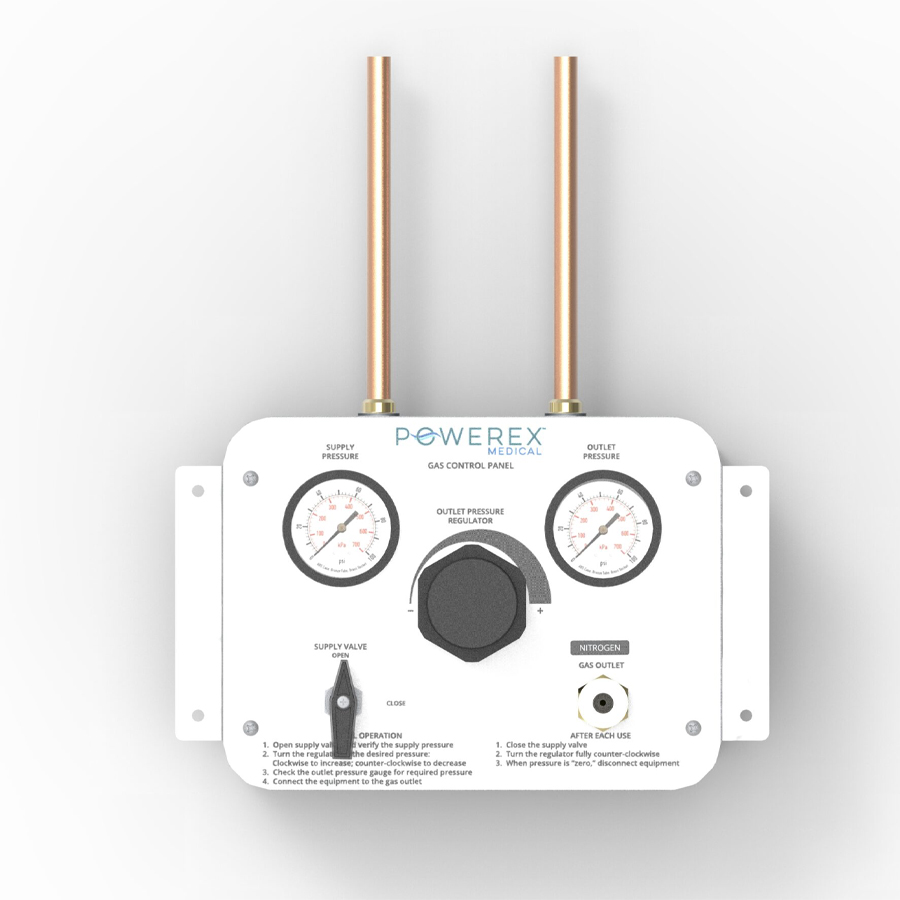
At its heart, gas control in a house is all about managing the flow and use of natural gas to ensure both safety and optimal performance. Think of it as the ultimate traffic controller for a very powerful resource. The most vital component is the main gas shut-off valve, usually found outside your home near the meter, or sometimes inside your utility area. This is your emergency lifeline. Knowing where it is and how to turn it off (a quarter turn with a wrench) can be a literal lifesaver in the event of a gas leak or other emergency. Beyond the main valve, individual gas appliances like your furnace, water heater, and stove each have their own smaller appliance shut-off valves. These allow you to isolate the gas supply to a single unit for maintenance or in case of an issue without affecting the rest of your home's gas supply.
But control isn't just about shutting things off; it's also about precise management for everyday comfort and efficiency. Your thermostat is a prime example of gas control in action, specifically for your heating system. It’s not just a fancy switch; it’s a smart controller that tells your furnace exactly when to ignite and when to power down, keeping your home at your desired temperature. This not only keeps you comfortable but also ensures you're not wasting energy. Similarly, your gas oven and stove burners have controls that allow you to adjust the flame size, giving you the mastery over your culinary creations, while your gas water heater regulates the temperature of your hot water, ensuring it’s just right for a relaxing bath or shower.
Must Read
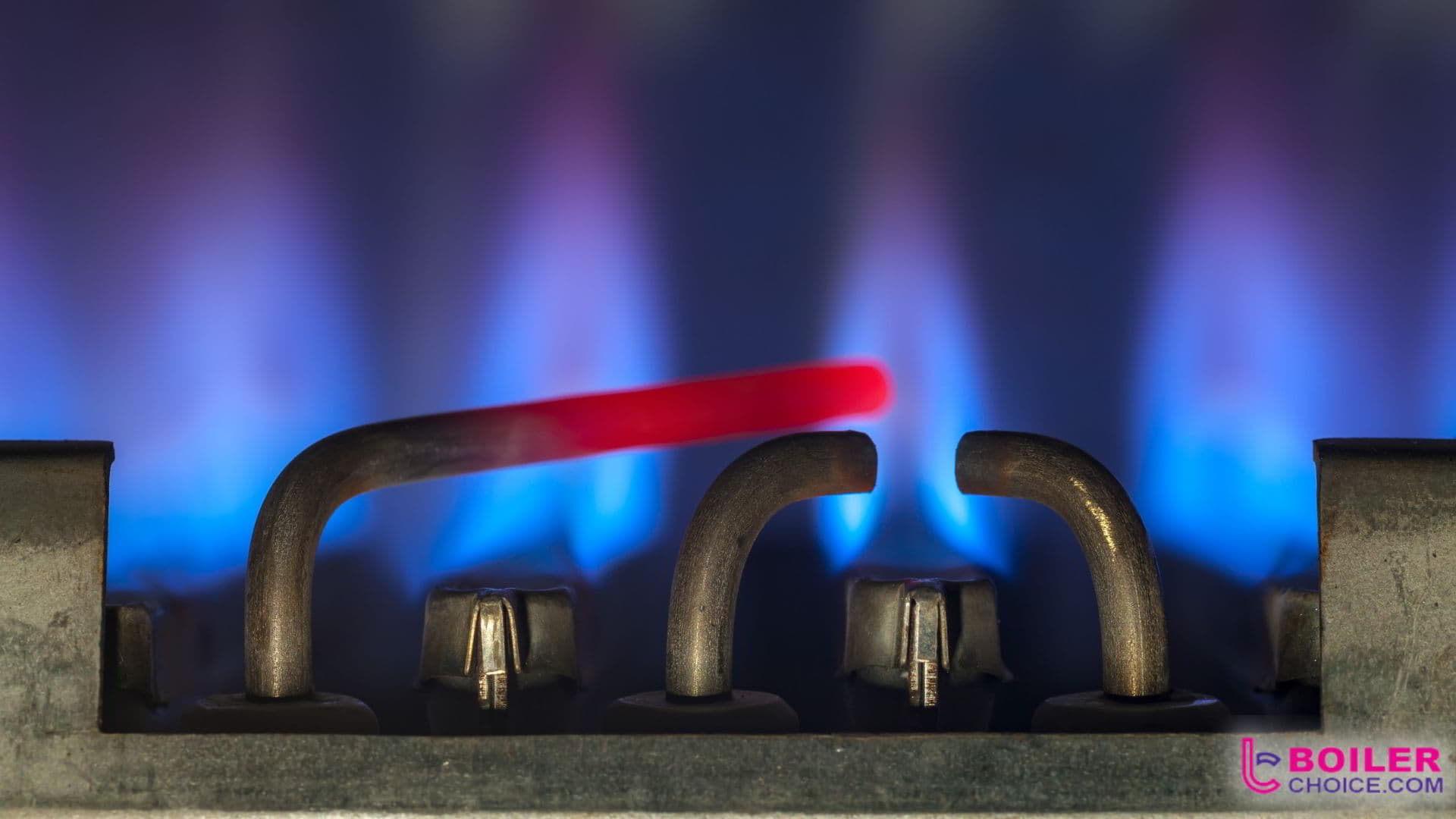
Modern homes also incorporate advanced safety controls directly within appliances. Many gas furnaces, for instance, have flame sensors that automatically cut off the gas supply if the pilot light or main burner flame goes out, preventing gas from accumulating. Additionally, many homes are equipped with carbon monoxide detectors, which, while not directly controlling gas, act as a vital early warning system for a potentially dangerous byproduct of incomplete gas combustion. These devices are the silent guardians, constantly monitoring and protecting your household.
So, the next time you enjoy a warm shower, a home-cooked meal, or simply a cozy evening indoors, take a moment to appreciate the sophisticated network of gas controls working tirelessly behind the walls. From the critical main shut-off valve to the smart thermostat and internal appliance safeguards, these systems are the unsung heroes that ensure your home is both comfortable and, most importantly, safe. Understanding their purpose isn't just knowledge; it's an essential part of responsible homeownership, giving you peace of mind and the power to manage your energy wisely.