
What Does Flux Do In Welding
Have you ever watched a welder in action? It's like magic, sparks flying, metal melting, and then, poof, two pieces of metal become one!
But behind all that dazzling light and molten goo, there's a quiet, often invisible superhero making sure everything turns out just right. We're talking about the incredible, the indispensable, the simply marvelous flux!
The Unsung Hero of the Weld Shop!
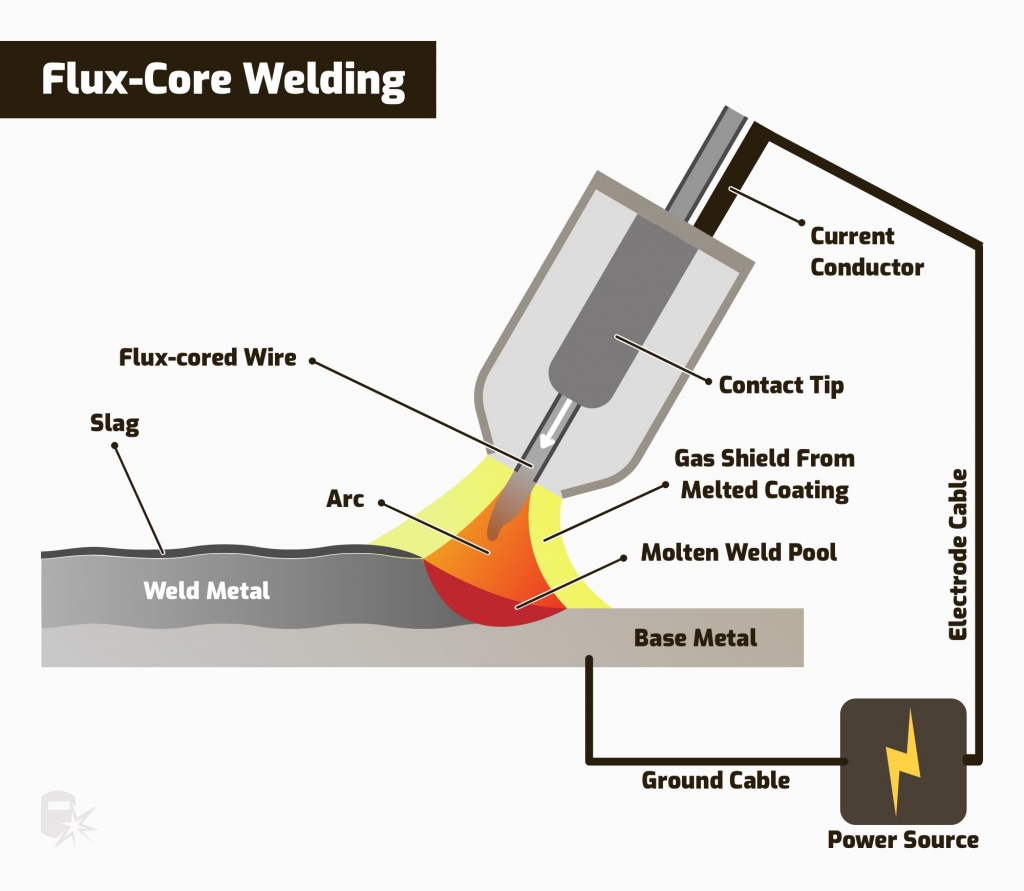
So, what exactly is this mysterious flux? It's not a secret alien goo, though it acts like one! Basically, it's a powdery, often granular material that's tucked inside welding wires or coated onto welding rods.
Must Read
Think of it as the ultimate backstage manager for your welding show, handling all the tricky bits so the main star (your weld) can shine brightly and stay strong.
First Mission: The Great Clean-Up Crew!
Imagine trying to glue two dirty, greasy plates together. Gross, right? Welding is no different; metal surfaces can be covered in rust, oil, paint, or just plain old grime.
This is where flux first leaps into action! As the welding heat kicks in, the flux melts and starts to aggressively clean the metal, both on the surface and in the molten weld pool itself.
"It's like the tiny, tireless janitor who sweeps away all the crud before the party even starts, ensuring nothing nasty messes up the perfect bond!"
It literally grabs onto those impurities, pulling them out of the molten metal and bringing them to the surface, where they can't cause trouble. This leaves you with a much cleaner, much stronger weld.
Without flux acting as this super-powered cleaning agent, your weld would be full of weak spots, tiny voids, and general unhappiness. It truly transforms a messy situation into a pristine foundation.
Second Mission: The Invisible Force Field!
Now, here's a fun fact: molten metal is incredibly sensitive, almost like a shy superhero. It absolutely hates mixing with air, specifically oxygen and nitrogen.
If these atmospheric villains sneak into the molten metal, they cause terrible things like porosity (tiny holes, like Swiss cheese) and embrittlement (making the metal brittle and weak).
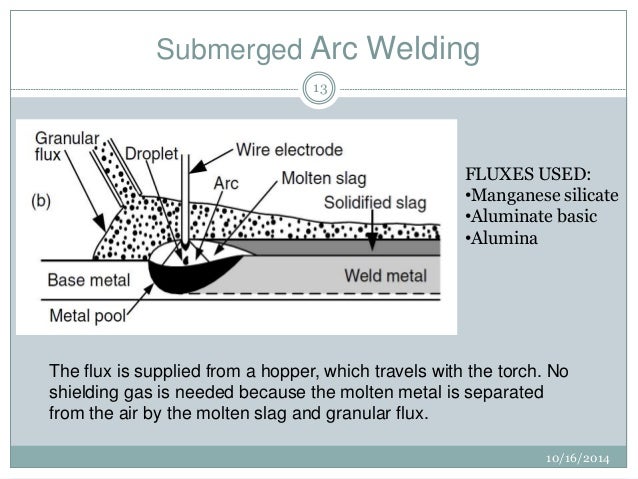
But fear not, because flux has a fantastic trick up its sleeve! As it melts, it releases a protective cloud of inert gas, creating an invisible force field around the molten weld pool.
"Think of it as the ultimate personal bodyguard, deflecting all the airborne villains before they can even get close to your precious molten metal!"
This gas shield pushes away all the unwanted oxygen and nitrogen, keeping your weld pool snug, safe, and perfectly pure. It’s like a cozy, invisible bubble protecting the most vulnerable part of the process.
This shielding action is absolutely critical for creating welds that are not only strong but also resist cracking and corrosion over time. Without it, your weld would be a porous, weak, and very sad affair indeed.

Third Mission: The Master Conductor of the Arc!
Welding relies on an electric arc, which is essentially a controlled lightning bolt, to melt the metal. Keeping this arc stable and predictable is key for smooth, consistent welding.
Guess what? Our friend flux also plays a role here! Certain chemicals within the flux help to stabilize that wild arc, making it behave nicely and focus its energy right where you want it.
It's like having a calming presence, ensuring the electrical current flows smoothly and consistently, preventing the arc from wandering off or sputtering unexpectedly.
This stability means less spatter, a more controlled melt, and ultimately, a much better-looking and stronger weld bead. It helps the welder lay down that perfect, uniform line.
Fourth Mission: The Pretty Maker (Slag!)
After all the cleaning and shielding, flux has one more trick: it transforms into something called slag. Don't let the name fool you; this stuff is actually wonderful!
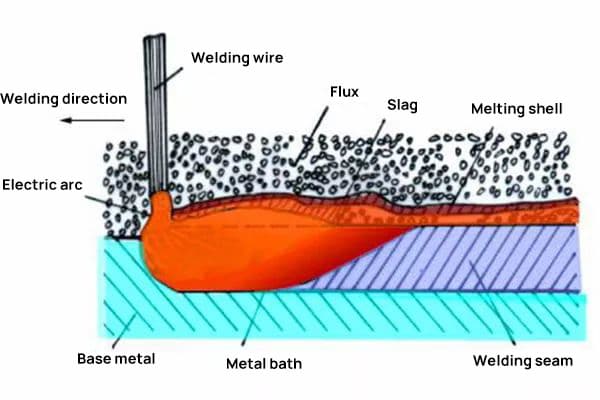
As the molten weld metal cools, the melted flux hardens into a protective, glass-like crust on top of the fresh weld. It's usually dark and can be easily chipped or peeled off once cooled.
"After all the welding excitement, flux lays down a lovely, protective blanket of slag, keeping everything snug and cooling just right."
This slag blanket serves a couple of crucial purposes. First, it slows down the cooling rate of the weld, which is super important. Rapid cooling can make metal brittle and prone to cracking.
Second, the slag also helps to shape the weld bead, giving it that smooth, uniform, professional appearance. It's like a temporary mold, ensuring your weld looks as good as it performs.
That satisfying ping as you chip off a perfect piece of slag reveals a beautifully formed weld underneath – a testament to flux's artistic flair!
Bonus Mission: Secret Ingredient Supplier!
Sometimes, flux has an extra hidden talent! It can contain tiny amounts of special alloying elements, which are like secret vitamins for your weld.

As the flux melts, these beneficial elements transfer into the molten metal, subtly changing its properties. This can make the weld even stronger, tougher, or more resistant to corrosion.
It’s like adding a dash of magic spice to a recipe, enhancing the final flavor and performance of your metal masterpiece.
So, What's the Big Deal with Flux?
In a nutshell, flux is the multi-talented sidekick that makes modern welding possible. It cleans, it shields, it stabilizes, and it protects!
Without this unsung hero, our welds would be weak, ugly, full of holes, and just generally not up to the task of holding our world together.
It’s often unseen, unheard, and underappreciated, but its work is absolutely foundational to creating strong, reliable metal connections in everything from towering skyscrapers to tiny car parts.
"Next time you see a beautifully finished weld, remember the unsung hero, the tiny but mighty flux, doing its incredible, invisible work to make metal magic happen!"
So, hats off to flux – the ultimate master of ceremonies for every perfect weld. It really is the secret ingredient that makes good welding great!