What Does Fiber Glass Look Like
You know how sometimes you catch a glimpse of something out of the corner of your eye, and your brain just goes, "Huh, what was that?" Well, fiberglass is often one of those mysterious characters in the background of our lives. It's everywhere, hiding in plain sight, doing all sorts of heavy lifting without much fanfare. But what does it actually look like, beyond just being a word we throw around?
The Great Unmasking: What's the Visual Vibe?
Let's peel back the curtain, shall we? If you've ever had a peek into an attic, a construction site, or even a boat being built, you've probably seen fiberglass in one of its many disguises. And trust me, it’s not exactly a shimmering crystal ball, despite having "glass" in its name.
Picture this: Imagine a cloud. Not a fluffy, innocent cumulus cloud, but more like a cloud that's had a really, really bad hair day. That’s probably the most iconic look of fiberglass – the insulation kind. It’s usually an off-white, yellowish, or famously, a bright, cheerful pink. It looks like cotton candy that went to the gym and got all wiry and tough. You can almost feel the scratchiness just by looking at it, right?
Must Read
Up Close and Personal (But Not Too Close!)
When you get a bit closer (but please, don't actually touch it with bare hands unless you want a souvenir itch that lasts all day), you'll notice it's not a solid blob. Oh no. It's an intricate dance of incredibly fine, hair-like strands. Think of it like a spiderweb, but one woven by a spider that's been hitting the protein shakes. Each strand is microscopic, a tiny thread of glass, and they're all tangled up or woven together.
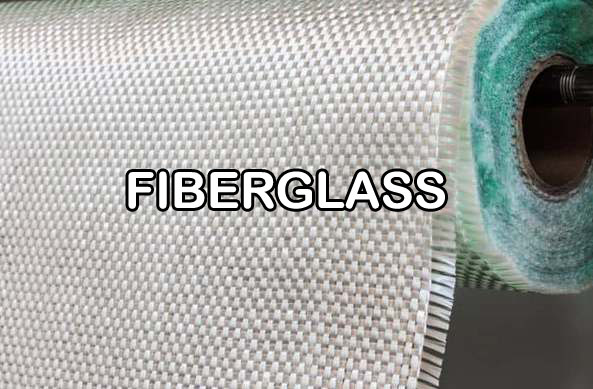
In its raw form, like a mat or roving (the big bundles of strands they use to make stuff), it can look a bit like a disorganized pile of very stiff, somewhat translucent blonde hair. Or perhaps, a really coarse, unbleached piece of burlap. It’s not smooth and slick like a windowpane; it's got a definite texture, a visible weave, or a messy, fibrous sprawl.

From Fluff to Fabulous: Different Forms, Different Looks
Fiberglass is a chameleon, folks. It shows up in many guises:
The Pink Fluff of Doom (or Comfort, Depending on Your Perspective)
This is the one we all recognize, often peeking out from behind a drywall crack or in an unfinished basement. It's batting insulation. It looks like a giant, slightly matted pillow made of spun glass. The colors range from yellowy-beige to that famous bubblegum pink. It looks light and airy, but your skin will tell you a different story if you get too familiar with it!

The Sleek & Structured
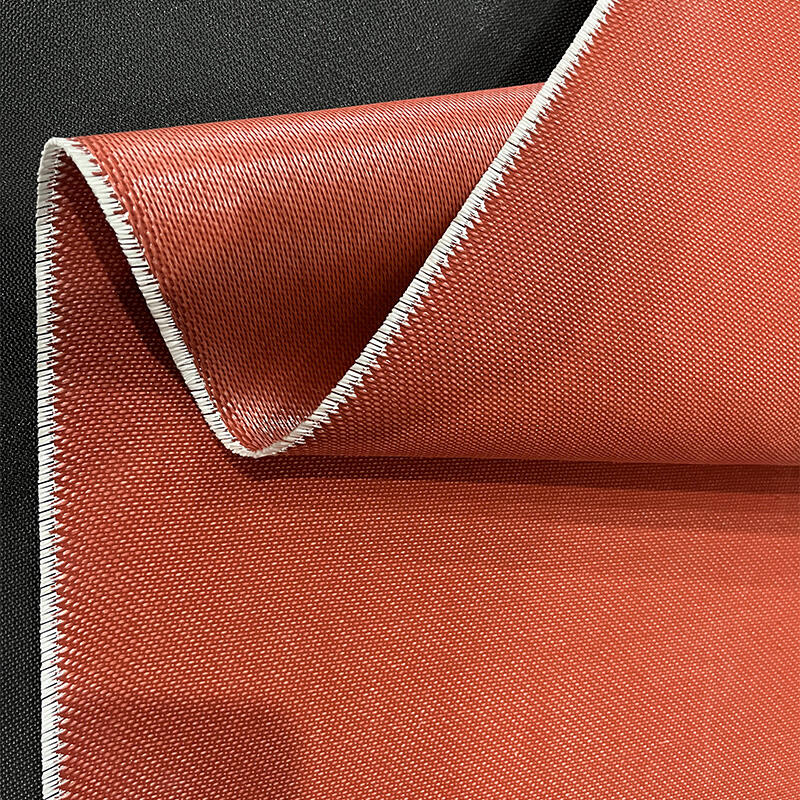
Then there’s fiberglass that’s been tamed. This is what you see in boat hulls, shower stalls, car body kits, or even some planters. Here, the glass fibers are woven into a fabric, a bit like canvas or denim, but much stiffer and usually translucent or off-white. This fabric is then saturated with a resin (like glue, but much stronger) and molded. Once hardened, it takes on the shape of the mold and becomes a rigid, strong material. It still has that fibrous look if you peer closely, like a slightly irregular weave under a glossy surface. It’s tough, often smooth to the touch thanks to the resin coating, but with a subtle pattern underneath.
Imagine a really thick, stiff piece of paper, but instead of wood pulp, it's made of tiny glass threads. Sometimes it looks like a textured plastic, especially if it's painted or colored during the manufacturing process.

The Skinny & Strong
Ever seen a fishing rod, a tent pole, or even some types of ladders? Often, they're made of fiberglass too. Here, it usually looks like a solid, smooth rod or tube, often black, dark grey, or a dull color. The "fiber" part is less visible because it's tightly bound within a resin, but it’s what gives these items their incredible strength and flexibility without being super heavy. It looks like strong, lightweight plastic, because in essence, it's plastic reinforced with those nearly invisible glass hairs.
The Takeaway: It's All About Those Tiny Glass Hairs!
So, what does fiberglass look like? At its core, it always comes back to those microscopic glass hairs. Whether they're loose and fluffy like a giant, irritable dust bunny, woven into a stiff fabric under a smooth resin, or tightly packed into a sturdy pole, the essence is the same: fine strands of glass. It's a material that perfectly embodies the idea of "looks can be deceiving" – appearing delicate or messy, but proving to be incredibly strong and versatile.
The next time you spot something pink and fluffy in a wall, or notice the subtle weave on a sturdy garden planter, you’ll give a knowing nod. You'll recognize the humble, yet mighty, fiberglass. Just remember to admire it from a respectful, non-itchy distance!