
What Does Carbon Monoxide Smell Like In House
Okay, so picture this: It's a Tuesday night. You're curled up on the couch, finally diving into that true crime documentary everyone's been raving about. Suddenly, you get this…feeling. Not a creepy feeling from the documentary (though that’s definitely contributing), but more of a “is something…off?” feeling. You sniff the air. Nothing. You sniff again. Still nothing. You shrug it off and blame it on the plot twists. But what if that vague sense of unease was actually your body trying to tell you something important?
That’s where carbon monoxide (CO) comes in. It’s the silent, invisible ninja of household hazards. And unlike ninjas in movies, it's not cool or something to admire. It's dangerous, plain and simple.
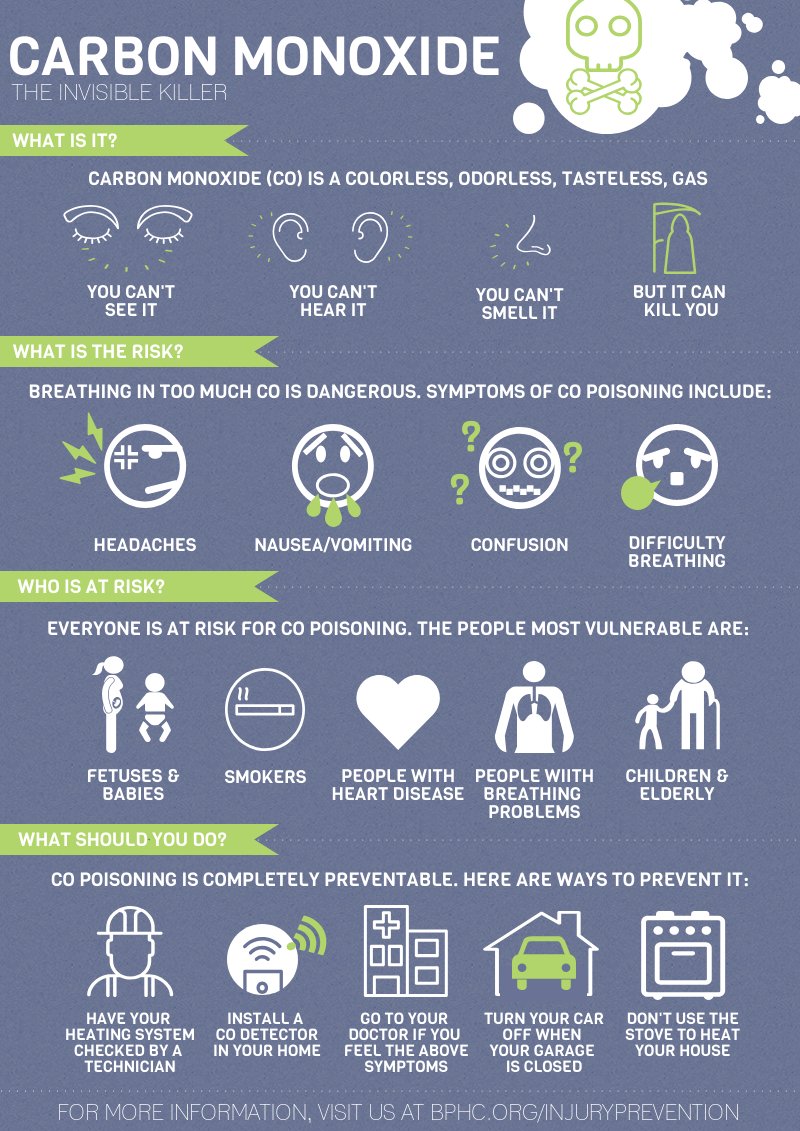
The big question everyone asks: What does carbon monoxide smell like? The super frustrating answer? Absolutely nothing. Zilch. Nada.
Must Read
The Invisible Enemy: Why You Can't Smell CO
Yeah, I know, super helpful, right? "It's deadly, but you can't detect it!" Thanks a lot, nature. But there’s a reason for this. Carbon monoxide is a colorless, odorless, and tasteless gas. That’s its superpower, and it's what makes it so insidious. You can be breathing it in without a single clue until the symptoms start to kick in.
Think of it like this: Imagine a sneaky ghost. You can’t see it, hear it, or smell it. All you know is, suddenly, you feel inexplicably terrible. That's pretty much CO poisoning in a nutshell.
So, if you can't rely on your nose, what can you do? Well, that brings us to the next point…

Detecting the Undetectable: Your CO Defense Plan
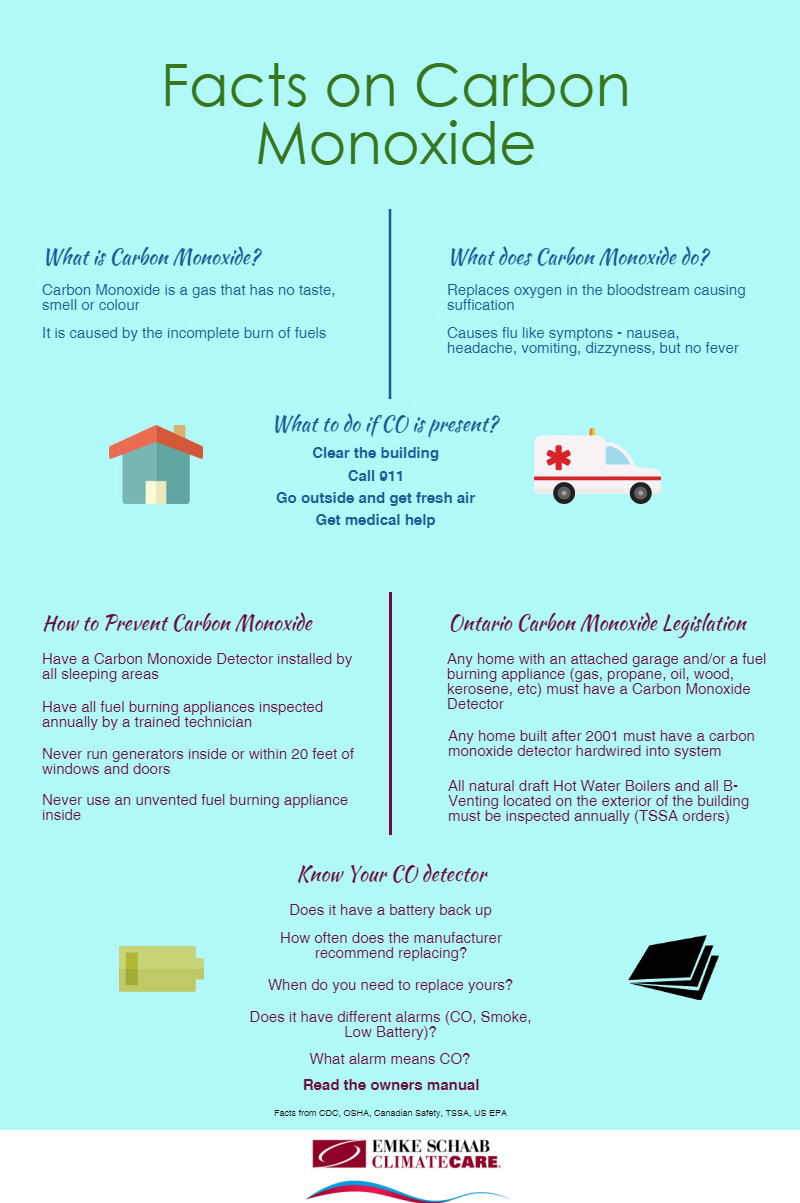
Since you can’t smell carbon monoxide, you absolutely need a carbon monoxide detector. Seriously. This isn't optional. It’s like having a smoke detector, but for an invisible, odorless threat. Every home should have one (or several!). End of story.
These detectors work by sensing the presence of CO in the air and sounding an alarm to warn you. Think of it as your own personal, tiny, electronic superhero against silent killers.
Where should you put them? Good question! Install them on every level of your home, especially near bedrooms. That way, you'll be alerted even while you're sleeping. After all, carbon monoxide doesn't take nights off. (Neither do I, apparently, judging by this blog post. cough)

Remember to test your detectors regularly (usually monthly) and replace the batteries at least twice a year. A dead detector is about as useful as a chocolate teapot. Which is to say, not at all useful.
Beyond the Detector: Other Warning Signs
Okay, you've got your detectors installed and working. Great! But it's still good to be aware of potential symptoms of CO poisoning, just in case.
Common symptoms include:
- Headache
- Dizziness
- Weakness
- Nausea
- Vomiting
- Chest pain
- Confusion
Think of it like a really nasty flu, but without the fever or sniffles. The key is that everyone in the house might experience similar symptoms around the same time. If you suspect CO poisoning, get everyone out of the house immediately and call emergency services from a safe location.
Where Does Carbon Monoxide Come From? The Usual Suspects
So, where does this invisible menace originate? CO is produced by the incomplete burning of fuels like:
- Gas
- Oil
- Wood
- Propane
This means that common household appliances can be potential sources, including:

- Furnaces
- Water heaters
- Fireplaces
- Stoves
- Generators
- Cars (never run a car in a closed garage!)
Make sure these appliances are properly maintained and ventilated. Regular inspections are key to preventing CO buildup. Think of it like going to the dentist – annoying, but essential for preventing bigger problems down the road.
Important side note: Never use charcoal grills or portable camping stoves indoors. I know, it sounds obvious, but people do it! And it can be fatal.
The Bottom Line (and a Little Pep Talk)
Carbon monoxide is odorless and deadly. You can't rely on your sense of smell to detect it. Invest in carbon monoxide detectors, maintain your appliances, and be aware of the symptoms. It's all about being proactive and taking steps to protect yourself and your family.
Don’t let the fact that you can't smell it freak you out. Just be smart, be prepared, and breathe easy (literally!). And now, back to that true crime documentary… (Hopefully, the only scary thing in your house is on the screen.)