
What Does Burnt Brass Look Like
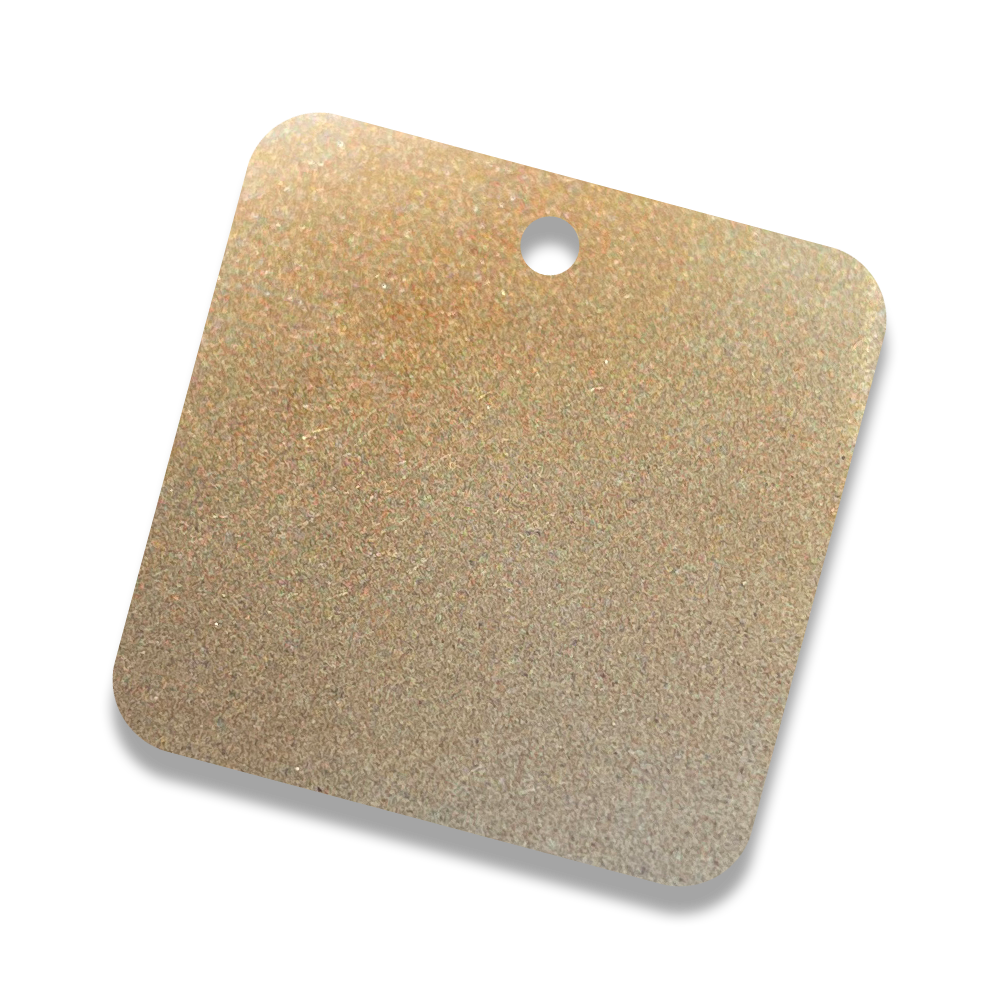
Okay, so picture this: you've got some gorgeous brass, right? Maybe it's a fancy door knocker, a cool vintage lamp, or even just some decorative bits on a treasured trinket. It's usually all warm, golden, and just begging to be shined up. You know the vibe – that classic, classy gleam. But what happens when that beautiful, stoic metal decides it's had enough of the heat and throws a little tantrum? What does burnt brass actually look like?
Spoiler alert: it's not pretty. And it's definitely not golden anymore. Think of it less like a tan and more like a full-blown meltdown. Because, let's be real, brass is an alloy, mostly copper and zinc, and when those two get too hot, things get weird.
The "Uh-Oh, Is That a Smudge?" Stage
First up, when brass is just starting to feel the heat, but hasn't fully committed to becoming a charcoal briquette, you'll see it start to dull. That lovely luster? Poof. Gone. It loses its sunny disposition and starts looking a bit... tired. Like it’s been up all night watching bad reality TV. The surface might get a bit cloudy, almost like a thin, hazy film has settled over it. You might even mistake it for just needing a good polish, but deep down, you'll know. Something's amiss.
Must Read
Then, the colors start to shift. Instead of that cheerful gold, you'll begin to notice patches of brown creeping in. Not a nice, antique brown, mind you, but more of a muddy, uneven tone. Think of toast that's been left in the toaster for just a few seconds too long. It's still edible, but you're definitely scraping off those slightly charred bits, aren't you? Same energy.
The "Seriously, What Did You Do?!" Stage
Now, if the heat keeps coming, things escalate quickly. We're talking beyond a mere tan. The brass will start to get really, really dark. It goes from a tired brown to a much deeper, almost blackish-brown. And it's not uniform! Oh no. You'll see patches, streaks, and sometimes even a sort of iridescent sheen – like oil on water, but in shades of purple, blue, and black. It's almost pretty in a morbid, "I've seen some things" kind of way. This is the oxidation process really kicking into high gear.

The texture starts to change too. No longer smooth and cool to the touch, burnt brass can become rough, almost gritty. If you run your finger over it (carefully, please!), you might feel tiny bumps or a slight flakiness. It's like the surface is protesting its treatment, shedding layers in disgust.
The "Dear Lord, Is That Even Brass Anymore?" Stage
And finally, for the grand finale of destruction, we reach the truly burnt stage. This is when the brass has been subjected to some serious, prolonged heat. We're talking blacksmith's forge levels, or maybe a house fire. At this point, it's pretty much a goner. The color will be a deep, inky black. Not a shiny black, but a dull, matte, soot-like black. Think burnt marshmallows, but way less appealing.
You might also see some unsettling greenish or bluish tinges, especially around the edges or where the heat was most intense. That's usually copper oxides showing their true colors, literally. The surface might be heavily pitted, uneven, and look like it’s been through a war. It can even become brittle, crumbling slightly if you try to manipulate it. The metallic ring that brass usually has? Gone. Replaced by a dull clunk, or worse, just a silent snap.
Essentially, burnt brass loses all its charm. It loses its metallic identity and becomes a shadow of its former glorious self. It’s a sad sight, really. So, next time you're thinking of heating up that lovely brass piece for... reasons, maybe just admire it from afar. Or, you know, stick to a gentle polish. Your brass (and your sanity) will thank you!

