
What Does Bad Gas Smell Like
Ah, the world of smells! From the inviting aroma of freshly baked bread to the less-than-charming whiff of forgotten gym socks, our noses are constantly on an adventure. But what about those times when a truly peculiar odor wafts your way, especially when you’re near your trusty vehicle? You might find yourself wondering, “What in the world is that?” And sometimes, my friends, that mystery smell might just be your car trying to tell you it’s had a bad day, thanks to something we lovingly (or not so lovingly) call bad gas.
The Classic Culprit: Sulfur Surprise!
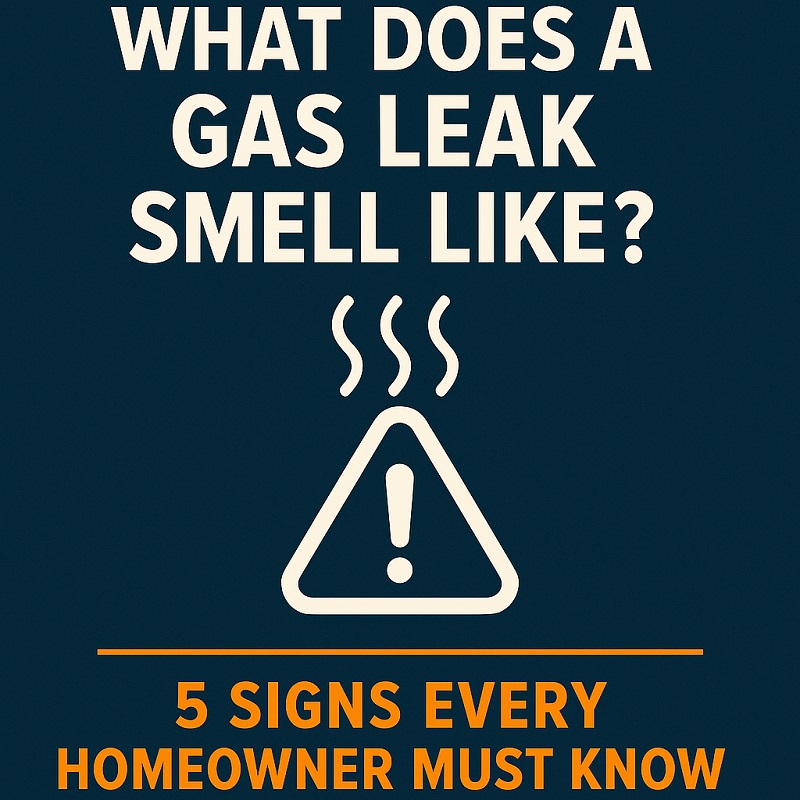
Let’s cut right to the chase, shall we? If you’ve ever had the misfortune of encountering truly bad gas, the most infamous smell you’ll probably recognize is that of, well, rotten eggs. Yes, you read that right. Imagine cracking open an egg that’s been forgotten in the back of the fridge for a month, then multiplying that stench by about a hundred. That sharp, distinct, utterly repulsive smell is often due to sulfur compounds in gasoline that have started to break down.
It’s not just a subtle hint; it’s a full-on olfactory assault that can wrinkle your nose, make your eyes water, and send you on a frantic search for the source. It’s the kind of smell that doesn’t just arrive; it announces itself with a brass band and a spotlight. This particular stink is like your car’s loudest, most undeniable cry for help, a very clear message that something isn't quite right with its fuel. It’s hard to miss, and once you’ve smelled it, you won’t soon forget it.
Must Read
There’s a unique horror to that rotten egg smell when it emanates from your car. It’s the kind of scent that makes you question all your life choices leading up to that moment.
Beyond the Egg: Other Off-Notes
While the rotten egg smell is the superstar of bad fuel odors, it’s not the only act in this strange show. Sometimes, bad gas can take on other unpleasant guises. You might notice a smell that’s more akin to stale, sour garbage, or even a somewhat acrid, chemical-like odor that burns your nostrils a little. This can happen when the fuel has been sitting for a long time, collecting moisture and contaminants, turning from a vibrant energy source into something quite foul.
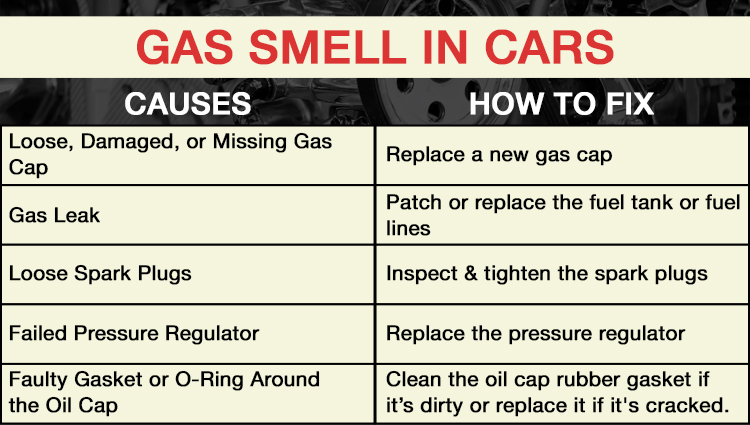
But here’s where it gets surprising, and perhaps even a little fascinating: sometimes, very old gasoline, especially if it’s started to turn into a varnish-like substance, can actually emit a peculiar, almost sickly sweet smell. It’s not the pleasant sweetness of flowers or candy, mind you. Think more along the lines of industrial glue or old paint thinner mixed with something vaguely sugary and utterly artificial. This happens when certain lighter compounds in the fuel evaporate, leaving behind heavier, stickier components that develop this unique, often cloying aroma. It’s a trick of the nose, making you wonder, "Is that… caramel? No, wait, that’s terrible!"
Your Car's Secret Language
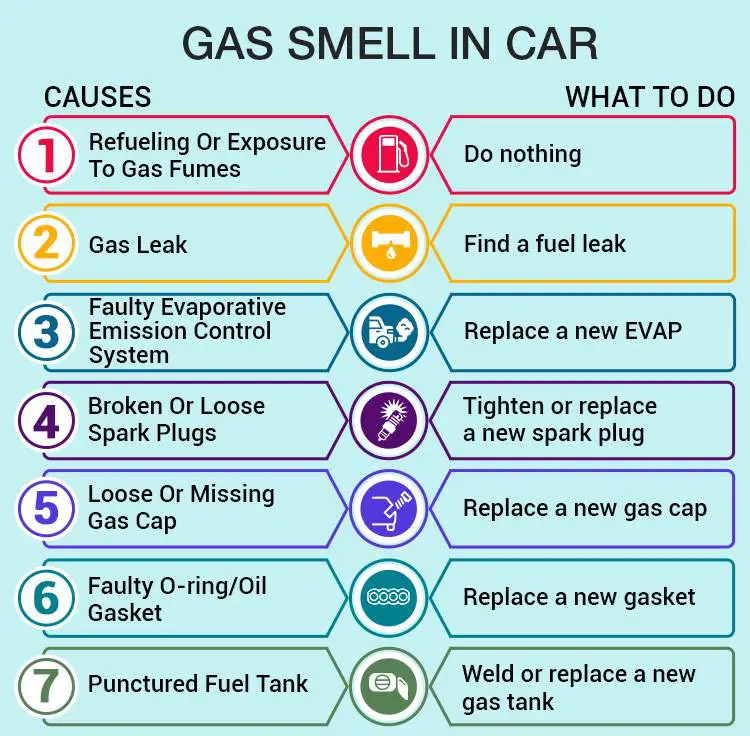
So, why does your car play these smelly tricks on you? Well, in a way, it’s speaking its own unique language. When you smell bad gas, your car is essentially sending you a very clear, albeit unpleasant, message. It’s telling you that its fuel system is compromised, or that the fuel itself has degraded and isn’t fit for purpose. It’s an early warning system, a pungent notification that a trip to see your friendly mechanic might be in order.
Instead of thinking of it as merely a horrible smell, consider it an intriguing piece of communication from your machine. Your car, that tireless companion that gets you to work, on adventures, and home again, is just trying to let you know it needs a little TLC. It’s a moment of connection, albeit a smelly one, where you, the driver, get to understand a bit more about the inner workings and needs of your vehicle. Who knew your car had such an expressive nose?
A Whiff of Wisdom (and Relief!)
Understanding what bad gas smells like isn't just a fun fact for your next dinner party; it's genuinely useful knowledge. Recognising that distinct rotten egg, sour garbage, or even that bizarre sickly sweet varnish smell can save you from potential headaches down the road. It means you can address the issue before it causes bigger problems for your car’s engine. And there's a certain satisfaction, isn't there, in identifying a problem by simply taking a good sniff?
Next time you catch an unusual aroma near your ride, take a moment. Could it be that your car is trying to whisper (or shout) something important? And if it is that unmistakable stench of bad gas, rest assured that you’ve cracked the code. There’s a wonderful sense of relief and accomplishment in solving a mystery, even if the clues were a bit on the stinky side. So, keep your nose ready, because even the foulest smells can lead to understanding and, ultimately, a happier, healthier car!

