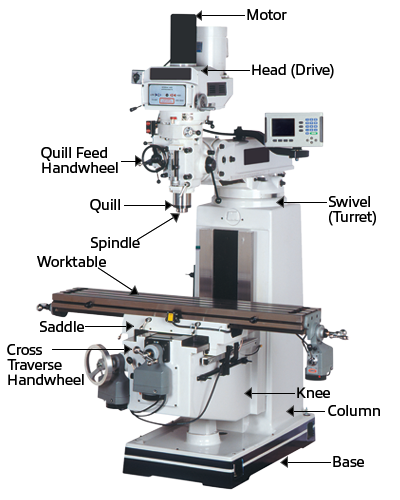
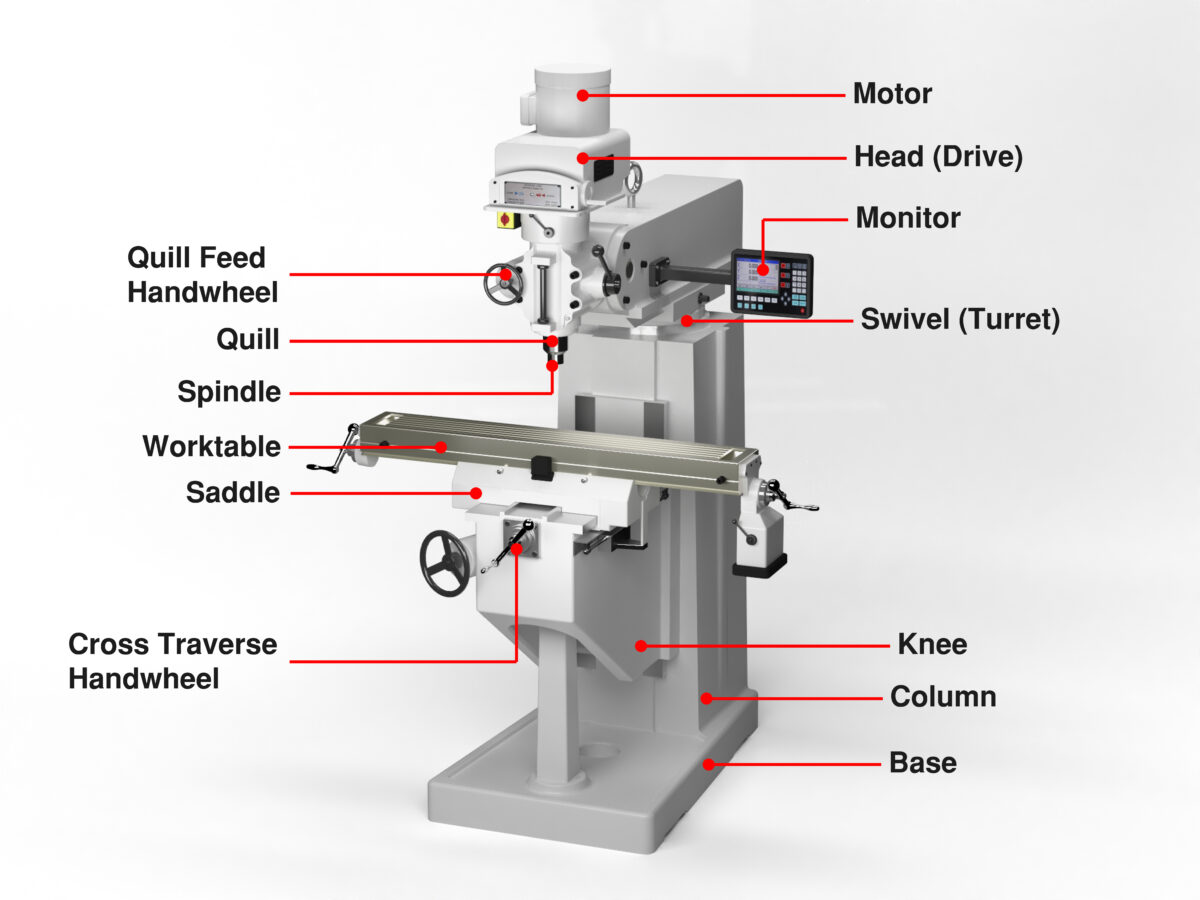
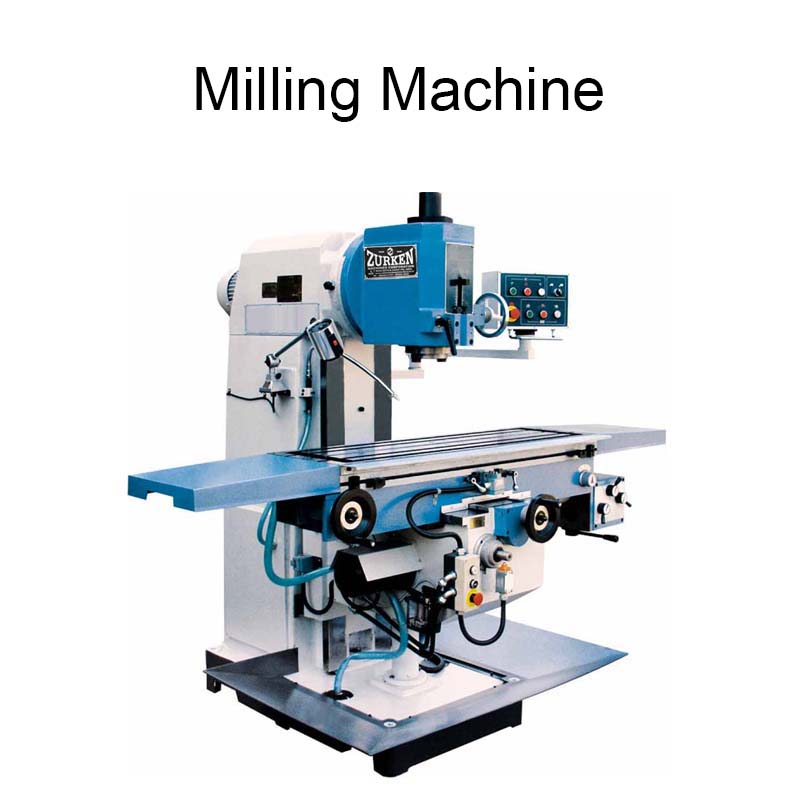
What Does A Milling Machine Do
Ever looked at a perfectly crafted metal part, a custom wooden sign, or even a detailed piece of jewelry and wondered, "How did they make that with such precision?" If you're a fan of DIY projects, love understanding how things work, or simply enjoy the magic of transforming raw materials into something intricate and useful, then getting to know the milling machine is a fascinating journey. It’s not just a behemoth in a factory; it's an incredible tool that empowers creators, engineers, and hobbyists alike to bring their designs to life with astonishing accuracy.
So, what exactly does a milling machine do? Imagine a super-powered, incredibly precise cousin to your drill press or router. Instead of just drilling holes or cutting simple lines, a milling machine uses a rotating cutting tool to remove material from a workpiece, shaping it in three, or even more, dimensions. It can create flat surfaces, drill holes, cut slots, carve intricate designs, and even engrave text with incredible accuracy. For beginners, understanding a milling machine opens up a whole new world of fabrication, letting you appreciate the complex parts that make up everything from your car engine to your smartphone. For families, it can be an amazing educational tool, demonstrating STEM principles in action, and even helping create custom parts for toys or unique home decorations. And for the dedicated hobbyist, a milling machine is a game-changer, allowing you to fabricate custom components for RC models, prototypes for inventions, unique artistic pieces, or even repair obscure parts that are impossible to find.
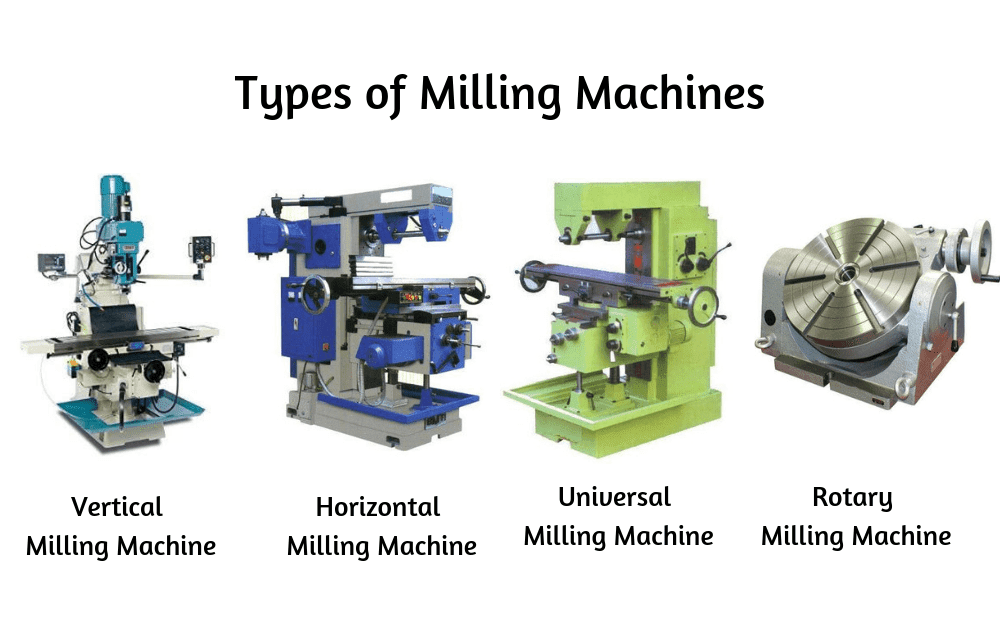
The versatility is truly astounding. Think about the variety of things you can make: custom aluminum brackets for a home renovation, intricate gear teeth for a clock, detailed wooden engravings for a personalized gift, precise channels in plastic for a robot chassis, or even prototype circuit boards. There are a few main types of milling machines. Manual mills, where you physically crank handles to move the workpiece, are fantastic for learning the fundamentals and offer direct control. Then there are CNC (Computer Numerical Control) mills, which are essentially robots that follow precise instructions from a computer program. These can create incredibly complex and repeatable shapes, and thanks to modern technology, desktop CNC machines are now surprisingly affordable and accessible for home workshops, capable of working with materials like wood, plastic, foam, and even softer metals.
Must Read
Ready to dip your toes into the world of milling? Here are a few simple, practical tips for getting started. First, consider a desktop CNC mill as your entry point; they're more user-friendly and take up less space. Second, safety is paramount: always wear eye and hearing protection, and understand how to secure your workpiece properly. Third, familiarize yourself with basic CAD (Computer-Aided Design) software for drawing your creations and CAM (Computer-Aided Manufacturing) software for translating those drawings into machine instructions; many free or affordable options exist. Start with softer materials like wood or plastic to learn the ropes before moving on to metals. Finally, don't underestimate the power of online communities, YouTube tutorials, and local maker spaces. They offer a wealth of knowledge and support.
Ultimately, a milling machine is more than just a tool; it's a gateway to bringing your ideas to tangible reality with unmatched precision. There's an immense satisfaction in seeing a raw block of material transformed into a perfectly finished piece, exactly as you designed it. Whether you're fixing something, inventing something new, or simply exploring your creative side, the enjoyment and value derived from understanding and utilizing a milling machine are truly limitless.