What Does A Gas Leak Look Like

Okay, let's get real for a second. When you hear "gas leak," what pops into your head? Maybe a big, dramatic cloud of something escaping a pipe like a scene from a disaster movie? Or perhaps that iconic, pungent smell that screams, "Houston, we have a problem!"?
The truth is, while the smell is definitely a major giveaway (and a super important one!), what a gas leak looks like isn't always as Hollywood as you might imagine. In fact, it's often a bit more subtle, a lot more scientific, and honestly, kinda fascinating once you know what to look for.
The Big Reveal: Mostly Invisible
Here's the first plot twist: the natural gas that powers many of our homes and appliances? It's typically colorless and odorless in its pure state. Yep, just like the air we breathe! Pretty wild, right? So, if a leak were just natural gas, you wouldn't see a dramatic plume of anything. It would literally be an invisible escape artist.
Must Read
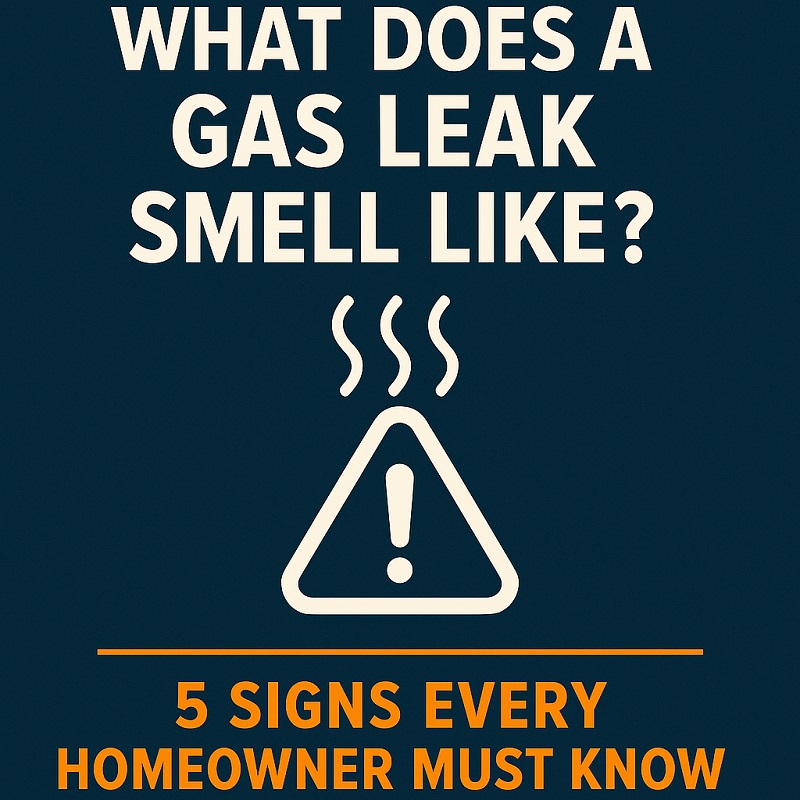
This is why gas companies add that distinctive, often described as rotten eggs or sulfur-like smell. It's a special additive called mercaptan, and it's basically the universe's way of giving natural gas its own personal, stinky alarm system. So, while you might not see the gas, your nose becomes the ultimate detection device. Pretty clever, if you ask me!
When Things Get a Little More Visible (Indirectly!)
Even though the gas itself is often a ghost, its presence can definitely leave some visible clues. Think of it like a secret agent leaving subtle hints behind.
1. Bubbles, Bubbles Everywhere (If Water's Involved!)
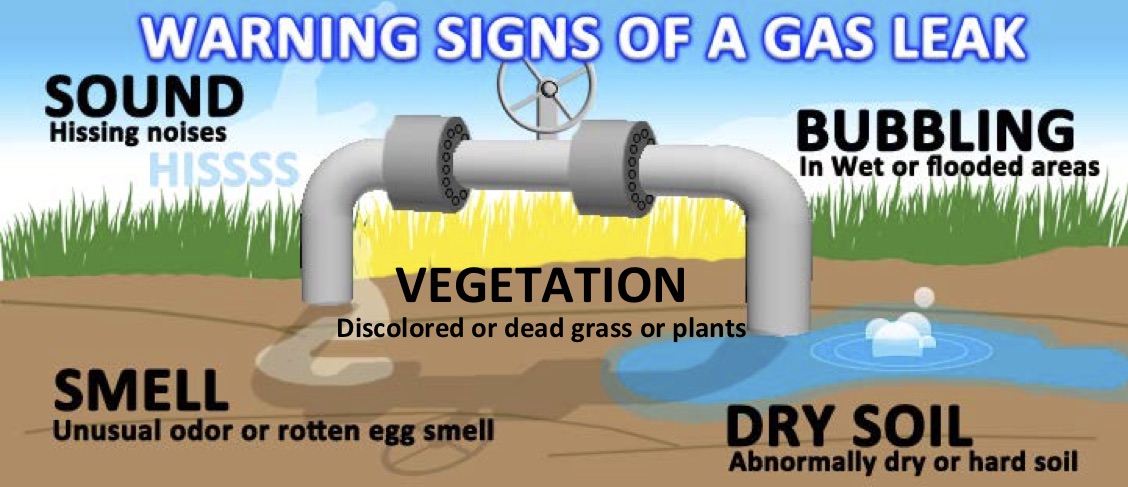
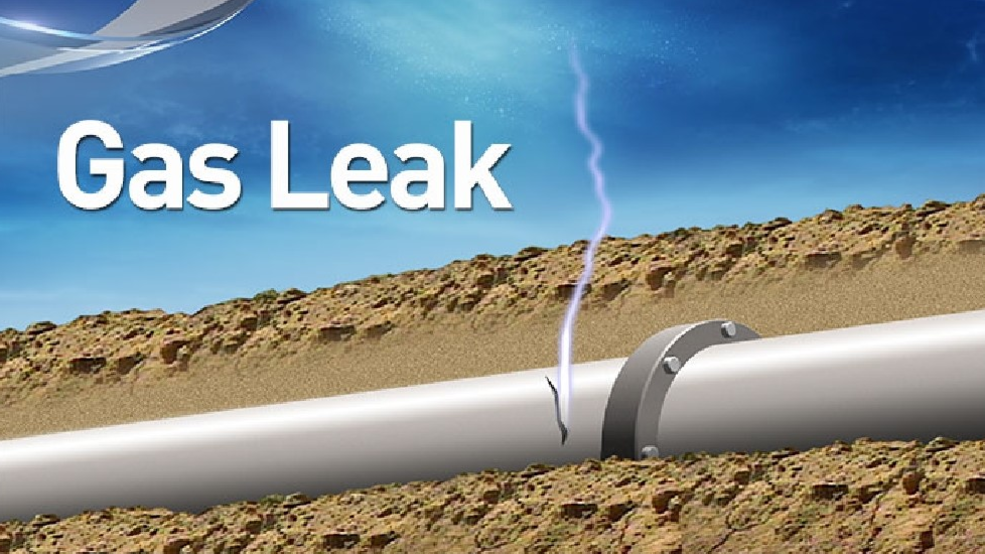
Imagine a gas line that's cracked underground, maybe near a water main or after a heavy rain. If the gas is escaping into a puddle, a ditch filled with water, or even a wet patch of soil, you might just see some tell-tale signs. Picture this: a continuous stream of unexplained bubbles rising to the surface. It's like a tiny, underground soda fountain that's definitely not making soda! This is one of the most direct visual clues, and it's often quite striking.
2. The Case of the Sad, Dying Plants
This one is super interesting and often goes unnoticed by the casual observer. If an underground gas line is leaking, especially outdoors, the gas can seep into the soil. What happens then? The gas displaces the oxygen that plants need to thrive. Over time, you might start noticing a patch of unexplained dead or discolored vegetation – grass, weeds, even small bushes – that doesn't seem to be dying for any other reason. It's like a mysterious brown spot appearing in an otherwise green landscape. A true botanical mystery with a serious culprit!
3. The Whistling Wind or Hissing Sound
Okay, this isn't strictly "seeing" a leak, but it's often accompanied by visual disturbances. If a gas leak is under high pressure, you might actually hear a hissing, whistling, or roaring sound. And with that sound, depending on where the leak is, you might see dirt, dust, or even small debris being kicked up or disturbed around the leak point. It's like a tiny, localized dust storm, or a snake that's decided to make an appearance.
4. Flames (A Big Red Flag!)
While we're talking about what a gas leak looks like, it's crucial to mention the most visually alarming (and dangerous!) sign: a flame. Natural gas is highly flammable. If a leak ignites, you will obviously see fire. This is an extremely serious situation and means you need to get away and call emergency services immediately. Never, ever, ever use a flame to try and detect a gas leak! That's a definite no-no for safety reasons.

So, What's the Takeaway?
While natural gas itself is a master of disguise, its escape leaves a trail of clues for those who know what to look for. It’s not always a Hollywood explosion; sometimes it’s the quiet dance of bubbles, the puzzling death of a patch of grass, or that unmistakable rotten-egg perfume. Understanding these subtle (and not-so-subtle) signs isn't just cool; it's a vital bit of knowledge that keeps us all a little safer.
So, next time you catch a whiff of something suspicious or notice something odd with your plants or plumbing, you'll know that you're not just seeing things – you might be seeing the fascinating, albeit serious, visual signature of a gas leak. Stay curious, stay safe!