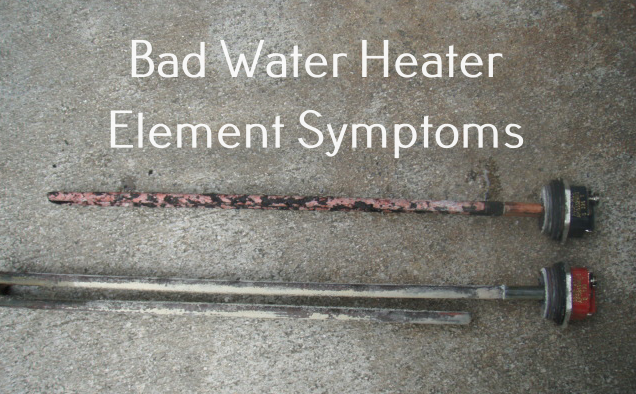
What Does A Bad Water Heater Element Look Like

Let's talk water heaters. Not exactly the most glamorous subject, is it? It's kind of like the plumbing equivalent of that beige cardigan your grandma always wears – essential, reliable (hopefully!), but utterly unexciting… until it breaks down. Then suddenly, you're showering in glacial water and wishing you'd paid more attention back when Mr. Henderson was droning on about thermal dynamics in high school physics.
One of the usual suspects when your hot water goes AWOL is the water heater element. Think of it like the tiny toaster oven inside your water tank, valiantly trying to heat up gallons of water. But just like that old toaster oven, it can get, well, a little crispy after a while.
So, What Does a Bad Element Actually Look Like?
Okay, let's ditch the suspense. The bad news is, you can't exactly diagnose a failing element just by giving your water heater a casual glance. It's not like it's going to be sporting a flashing neon sign that screams "I'M BROKEN!". Most of the action happens inside the tank, away from prying eyes. But there are some telltale signs you can watch out for. Think of them as clues in a plumbing mystery!
Must Read
No Hot Water (Duh!): This is the biggie. The screamingly obvious symptom. If your water is consistently lukewarm, or worse, downright frigid, a faulty element is a prime suspect. It’s like when you try to bake cookies and the oven’s set to “room temperature.” Not much is going to happen.
Inconsistent Hot Water: Maybe you get a blast of hot water initially, but it quickly fades to lukewarm. That’s your element working…sort of. It's like a sputtering engine – trying its best but ultimately failing to deliver consistent power.

Rumbling Noises from the Tank: This sounds like a grumpy giant gargling gravel. It's usually caused by sediment buildup around the element, which then overheats and boils the water, creating those delightful (not!) noises. It's the water heater's way of saying, "I am not amused!"
Tripped Circuit Breaker: A failing element can sometimes cause the circuit breaker to trip repeatedly. It's like overloading an electrical outlet with too many appliances – the system gets overwhelmed and shuts down to prevent a bigger problem. If your breaker keeps flipping when the water heater is running, investigate! This is important – don't just keep resetting it. You could be flirting with a fire hazard.
Rusty Water: Now, rusty water can have several causes, but if it coincides with other symptoms, a corroded element could be contributing to the problem. Think of it like the element is dissolving (slowly!) into your water supply. Yuck.
Getting Up Close and Personal (Safely!)
Now, if you’re feeling brave (and have turned off the power!), you can actually test the element with a multimeter. But honestly, unless you're comfortable working with electricity and plumbing, it's best to call a professional. Messing with water and electricity is a recipe for a bad day, and possibly a trip to the emergency room. Remember that beige cardigan? Sometimes, you just need to let a professional dry clean it. Safety first!
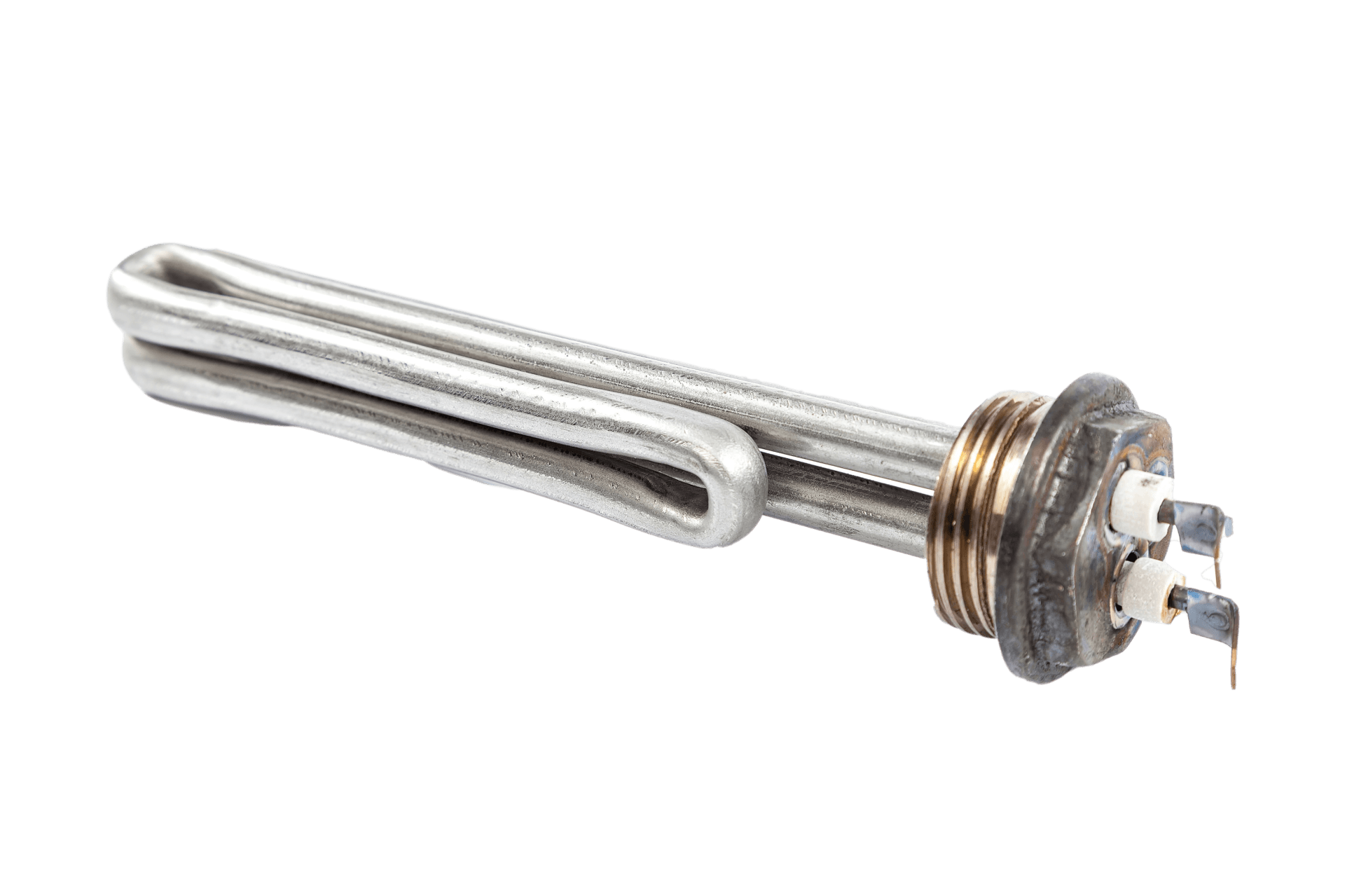
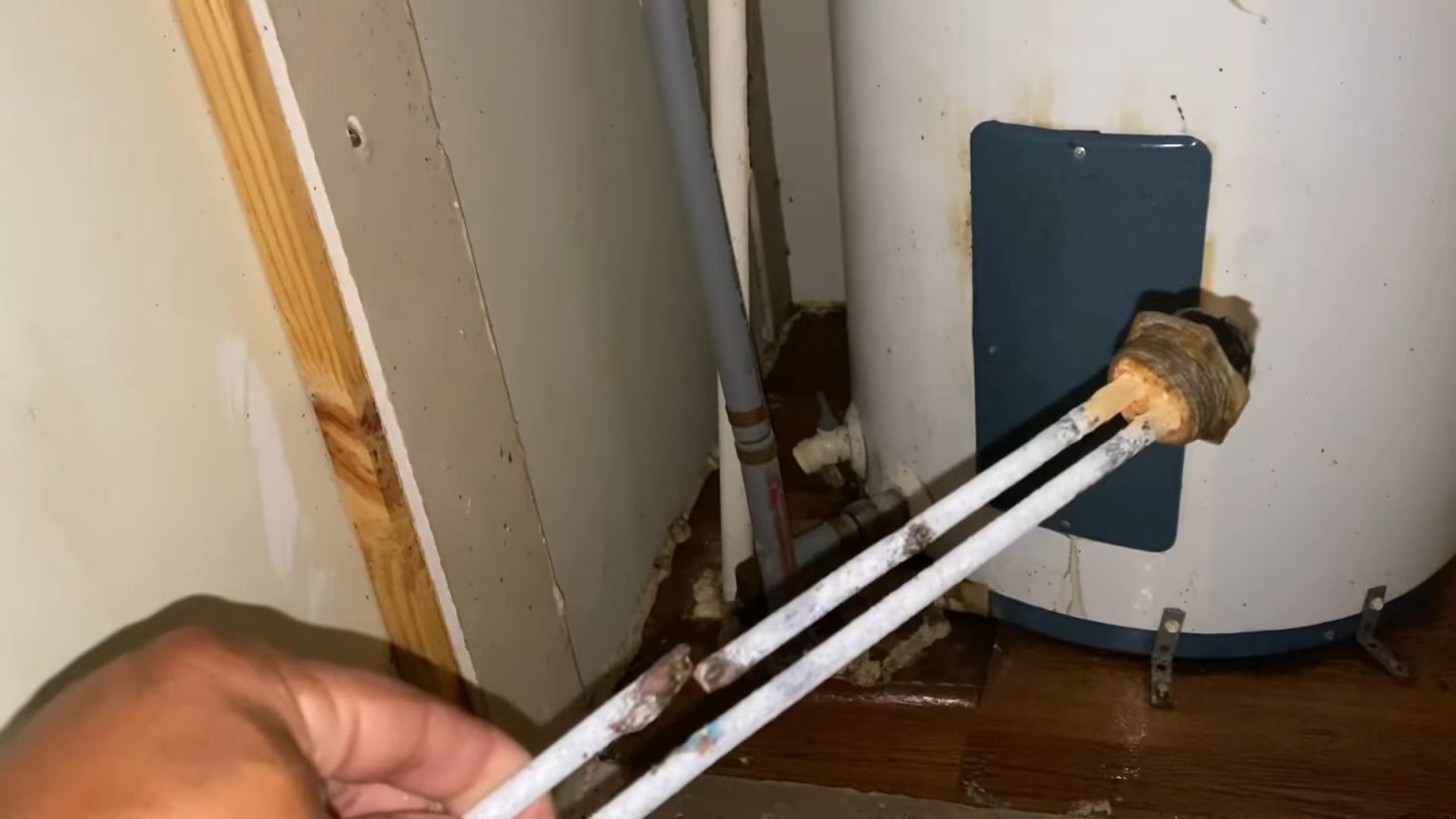
Visual Inspection (If You Dare!): Once the tank is drained and the power is off, you can remove the element and take a peek. Look for signs of corrosion, bulging, or cracking. If it looks like it's been through a war, well, it probably has. A healthy element should look relatively clean and intact.
The Bottom Line
A failing water heater element can be a real pain, but identifying the signs is the first step towards getting your hot water back. Look for the classic symptoms: no hot water, inconsistent temperatures, strange noises, tripped breakers, and rusty water. And when in doubt, don't be afraid to call a plumber. They're the superheroes of hot water, and they've seen it all before. Plus, they probably have better tools (and more patience!) than you do. Save yourself the headache and let the pros handle it. Your future self (and your skin!) will thank you.
And hey, maybe while they're at it, they can give that beige cardigan a once-over too. Just kidding… mostly!
Remember, regular maintenance can prevent a lot of these problems. Flushing your water heater regularly can help prevent sediment buildup, which puts less stress on the elements. A little preventative care goes a long way!