We live in a world humming with electricity, a silent force that powers everything from our morning coffee to our late-night binge-watching. And at the heart of this electric ballet is the humble plug. Most of us are intimately familiar with the everyday plug, the kind that powers our lamps and phone chargers. It’s got that familiar face, usually two flat prongs, sometimes a round one for grounding, like a friendly, unassuming face. But then there are those other plugs, the ones that seem to belong to a different family entirely. Today, we’re going to peek behind the curtain at one of the more powerful, often overlooked members of this family: the 220V plug.
Imagine your regular 110V plug as a friendly neighborhood jogger, perfectly capable of keeping things moving at a nice, steady pace. Now, picture the 220V plug as that jogger’s burly, weightlifting cousin. It’s built for heavy lifting, for appliances that need a little more oomph to get the job done. Think about the big players in your home: your electric oven, your clothes dryer, maybe even that fancy power tool in the garage. These aren’t satisfied with a light snack; they need a full, hearty meal of electricity, and that’s where the 220V plug steps in.
So, What Does This Electrical Powerhouse Look Like?
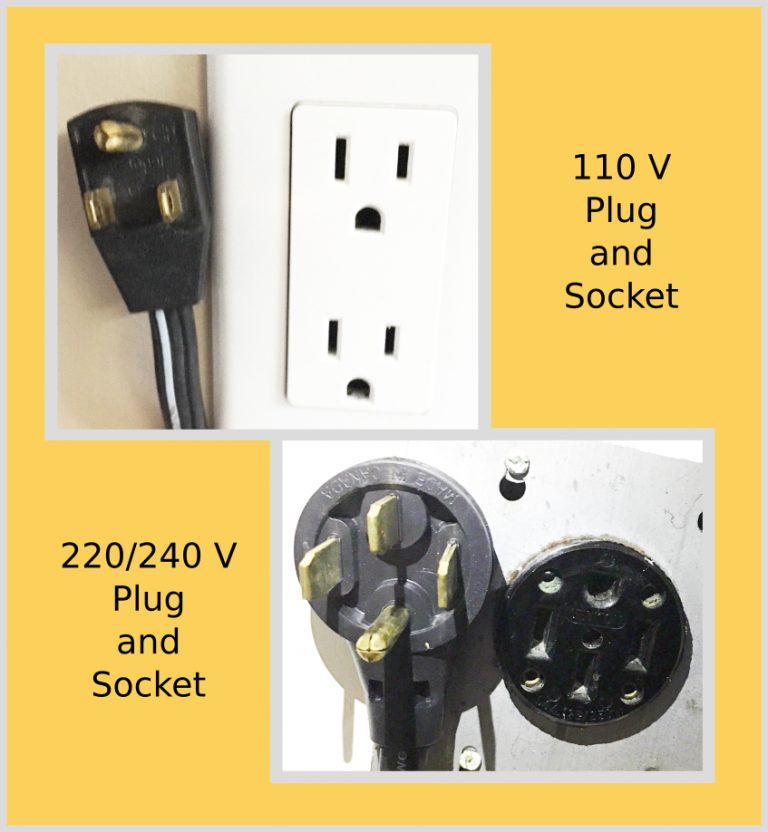
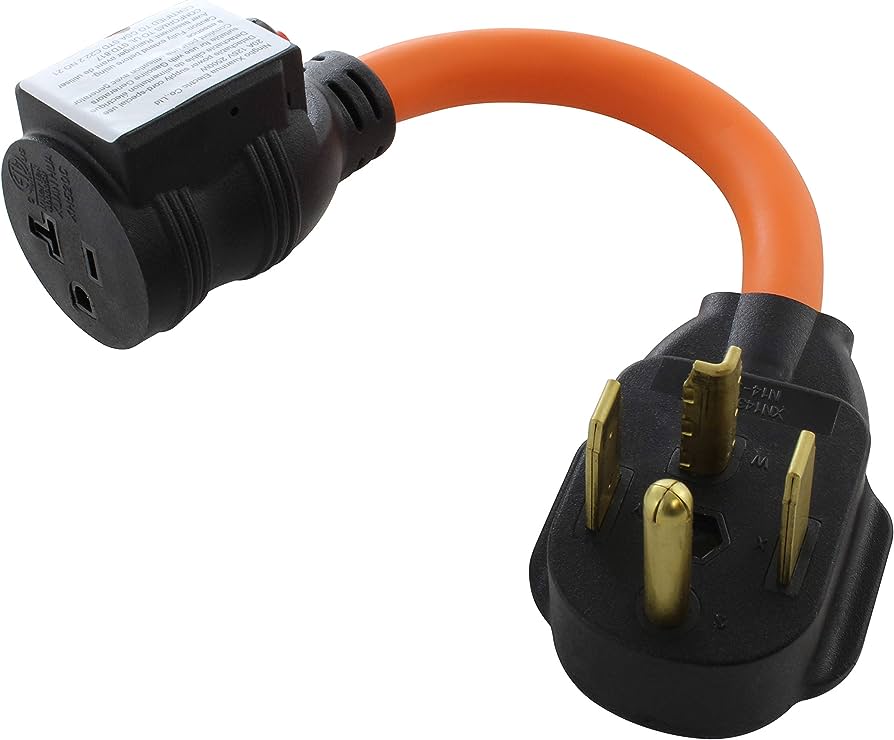
Unlike its everyday counterpart, a 220V plug rarely looks the same across the board, which is part of its surprising charm! But generally, when we talk about a 220V plug in places where 110V is standard for smaller devices (like North America), we’re often talking about something distinctly different. Forget the simple two flat prongs. You might see two flat prongs with a third, L-shaped or even a T-shaped prong. Or sometimes, it has two angled prongs and a round grounding pin. It's like finding a secret handshake for appliances that are part of an exclusive club.
“It's not just a plug; it's a declaration: 'I mean business!'”
What Does A 120V Plug Look Like at Hugo Carter blog
The immediate visual difference is its beefiness. These plugs are often larger, sturdier, and their prongs are usually thicker or have unique shapes to ensure they only fit into their designated, higher-power outlets. This isn't just for show; it's a clever safety feature. You wouldn't want to accidentally plug your dainty desk lamp into an outlet designed for a dryer, would you? The unique configuration of a 220V plug ensures that only appliances built to handle that much power can connect.
Walk into a laundry room, and you’ll likely spot one of these fascinating connectors. The back of a clothes dryer often hides a plug that looks like it could have a serious conversation with an electrician. It might have three prongs, perhaps two straight and one L-shaped, or even four prongs with a mix of straight and angled ones. Each prong has a specific job, ensuring that the appliance gets the right kind and amount of energy to tumble your socks into fluffy submission.
What Does a 220 Plug Look Like in Canada?
And if you’ve ever embarked on the great adventure of international travel, you've likely encountered the dazzling array of 220V plugs found around the globe. Suddenly, your trusty phone charger becomes a tourist, needing an adapter to fit into the wall. In much of Europe, you might see two round prongs (Type F or E), looking sleek and minimalist. Hop over to the UK, and you’re greeted by the robust Type G plug, often featuring three sturdy rectangular prongs, sometimes described as looking a bit like a surprised face. Each country has its own unique electrical fingerprint, a subtle nod to its engineering history and standards.
These distinct shapes aren’t just a quirky design choice; they're a testament to safety and efficiency. They ensure that your hardworking appliances get precisely what they need without overloading circuits or causing electrical mischief. The next time you glance at the plug powering your robust washing machine or catch a glimpse of an unusual plug while traveling, take a moment to appreciate its unique design. It’s more than just plastic and metal; it’s a tiny, crucial piece of a global electrical tapestry, quietly doing its job, powering our lives with a surprising variety of shapes and sizes, each telling a silent story of power, purpose, and ingenious design.