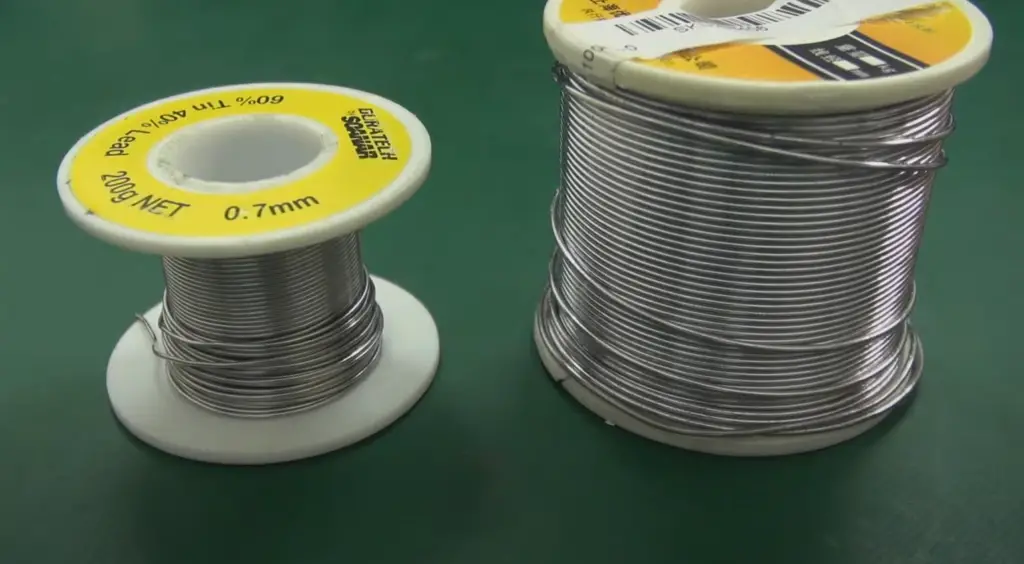
What Does 60 40 Solder Mean

Okay, so picture this: I’m about 12 years old, completely convinced I’m the next soldering prodigy. I’ve got my dad’s clunky, ancient soldering iron – you know, the one that probably took about 10 minutes to heat up and smelled vaguely of burnt dust and ambition – and a spool of what I now know was just… solder. Not good solder, not specific solder, just "the stuff my dad had." My mission? To fix the frayed headphone jack on my Walkman. (Yes, a Walkman. Don't judge my vintage dreams.)
I heated, I pressed, I swore (under my breath, obviously). The solder would clump, it would refuse to stick, it would make these ugly, dull blobs that looked more like chewed gum than a solid connection. My joints were weak, they were flaky, and frankly, they were an embarrassment to the entire field of amateur electronics repair. My Walkman remained stubbornly silent.
Fast forward a few years (and many more failed soldering attempts), and I finally stumbled upon a crucial piece of information that would have saved my younger self a ton of frustration. It was about something called 60/40 solder. And trust me, my friend, understanding what that means is like discovering the secret handshake to the cool kids' club of electronics.
Must Read
So, What's the Deal with 60/40 Solder?
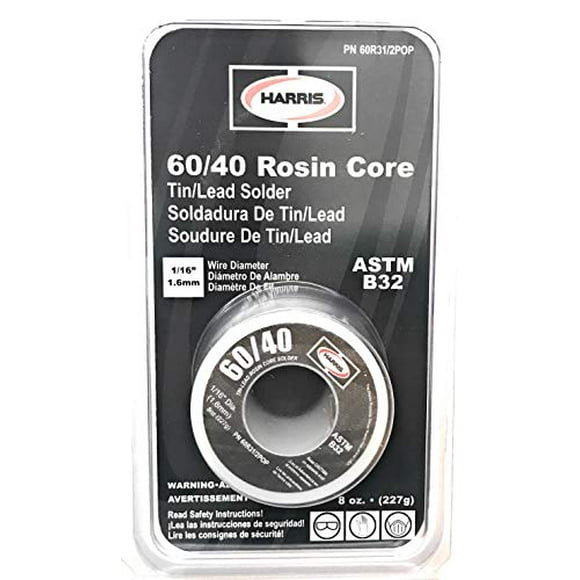
When you see "60/40" on a spool of solder, it’s not some cryptic code for its coolness factor (though it is pretty cool). It simply tells you the composition of the metal alloy inside that wire. Specifically, it means it's made of 60% tin (Sn) and 40% lead (Pb).
This particular ratio isn’t just random. It’s a magic formula, a metallurgical sweet spot that makes soldering a whole lot easier and more reliable. Let me explain why.
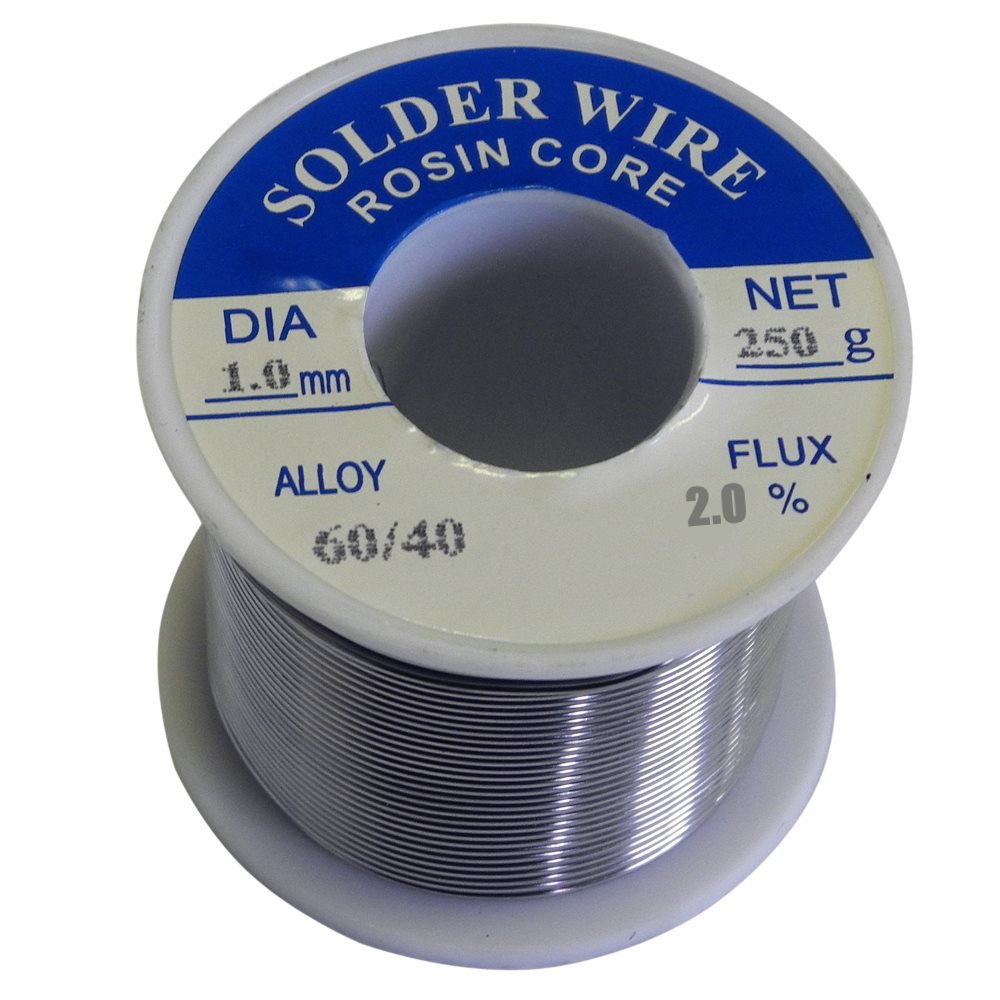
The Magic Ratio: Why 60/40 is So Good
Most metals, when they melt, go from solid to liquid at a very specific temperature. But alloys, which are mixtures of metals, behave a little differently. They often have what’s called a "plastic range" – a temperature window where they are neither fully solid nor fully liquid, but kind of slushy, like a partially melted ice cream. If your solder stays in this slushy state for too long, or if you disturb it during this phase, you get what's called a cold joint – those ugly, dull, unreliable connections my 12-year-old self was so good at making.
Here’s where 60/40 shines: it has an incredibly narrow plastic range. While 63/37 (63% tin, 37% lead) is the true eutectic alloy – meaning it goes directly from solid to liquid at a single, super low temperature (around 183°C or 361°F) with no plastic range at all – 60/40 is incredibly close. Its melting characteristics are almost as good. This means:
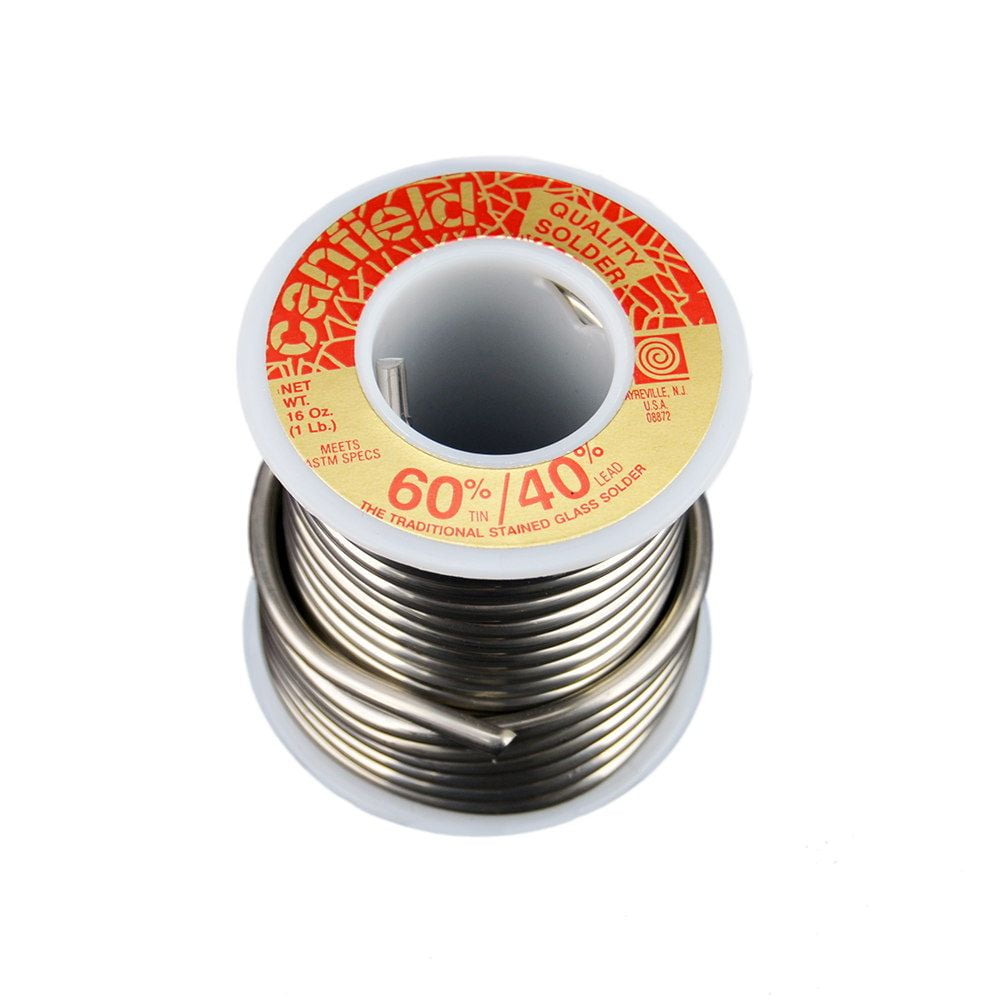
- Lower Melting Point: It melts at a relatively low temperature, which is gentler on delicate electronic components. You don't have to blast them with excessive heat.
- Excellent Flow and Wetting: When 60/40 melts, it just wets the surfaces of your components and pads beautifully. It flows smoothly, like liquid mercury, spreading evenly and creating a strong, uniform bond. It's like the solder just gets sucked into the joint.
- Quick Solidification: Because of that narrow plastic range, 60/40 cools and solidifies very quickly. This drastically reduces the chances of disturbing the joint while it's still mushy, practically eliminating those dreaded cold joints. You get a nice, strong, and shiny connection almost every time.
- Shiny Joints: And speaking of shiny, that's another big one! A properly made 60/40 solder joint will look bright and lustrous. A dull or grainy joint often signals a problem (usually a cold joint). It's a great visual indicator of success!
So, for beginners and pros alike, 60/40 (or its eutectic cousin 63/37) is often considered the gold standard for through-hole components and general electronics work. It’s incredibly forgiving and makes the whole soldering process a joy, rather than a frustrating battle.
A Quick Note on Lead-Free Solder
Now, before you go all in on 60/40, it's important to mention its modern counterpart: lead-free solder. Due to environmental and health concerns, lead-free options (like SAC305, which is tin-silver-copper) have become standard in commercial electronics manufacturing, especially for anything RoHS compliant.
The catch? Lead-free solders typically have a higher melting point (often 217°C or more) and can be a bit trickier to work with. They don't always flow as beautifully as 60/40, and achieving that perfectly shiny joint can take more practice and higher iron temperatures. If you're working on modern consumer electronics, you'll likely encounter lead-free. But for hobbyists doing repairs or working with older components, 60/40 is still a fantastic choice.
The Takeaway
So, the next time you pick up a spool of solder, take a peek at those numbers. If you see 60/40, you’re holding a truly excellent, easy-to-use solder that will make your projects shine – both literally and figuratively. Just remember to always work in a well-ventilated area and wash your hands after handling leaded solder, okay? Safety first, even when you're enjoying the simple pleasure of making things stick!
Go forth and solder with confidence, my friend. Your future self (and your Walkman) will thank you.