What Do You Do After A Tornado

Ever wondered what happens right after the storm? We often see the dramatic footage of tornadoes tearing through towns, but our minds don't always linger on the immediate aftermath. It's a fascinating, and incredibly important, part of the story – like the closing chapters of an epic tale where resilience truly shines. Understanding "What Do You Do After A Tornado?" isn't just about preparing for the worst; it’s about appreciating the incredible strength of communities and the practical steps that help us all get back on our feet. It's a topic that's both seriously practical and deeply human, revealing how people come together when facing immense challenges. Let's peel back the curtain on this crucial phase.
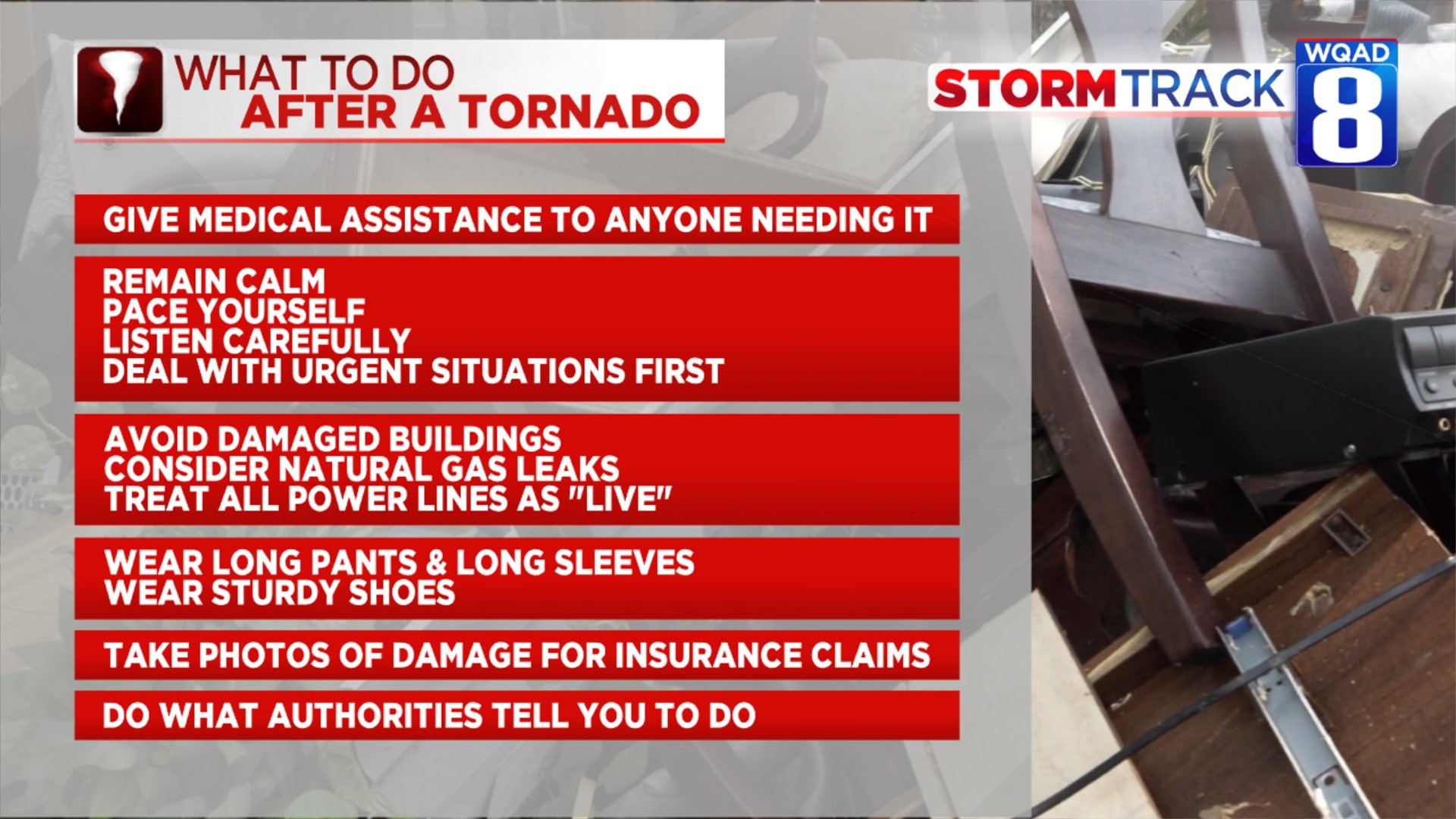
The core purpose of knowing what to do after a tornado is multi-faceted: it’s about ensuring safety first, then stabilizing the situation, and finally, beginning the long road to recovery. The benefits are enormous, extending far beyond just individual households. For starters, immediate actions can prevent further injuries or fatalities from secondary hazards like downed power lines or gas leaks. Beyond physical safety, having a plan and knowing what steps to take can offer a profound sense of control and hope amidst chaos, significantly aiding mental and emotional well-being. Economically, efficient and organized recovery efforts can streamline aid distribution, accelerate rebuilding, and minimize long-term disruption. Ultimately, it fosters a more resilient community, better equipped to face future challenges and support one another.
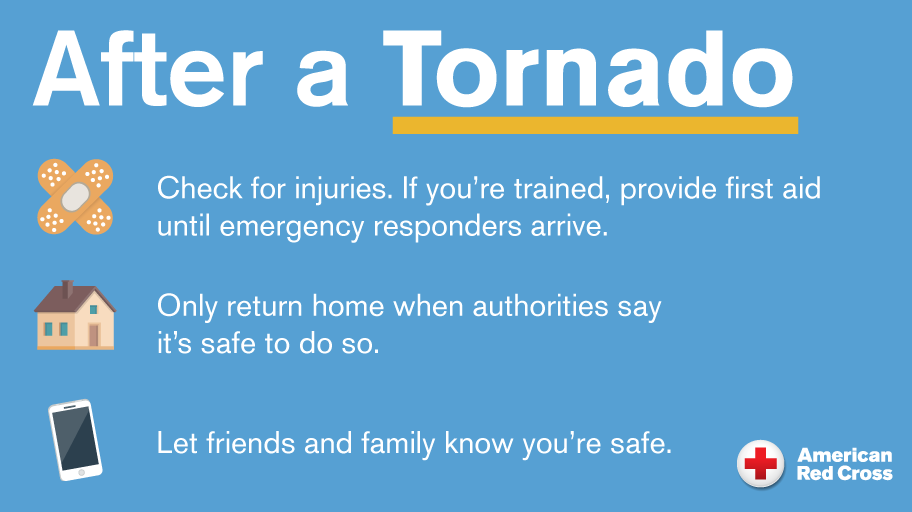
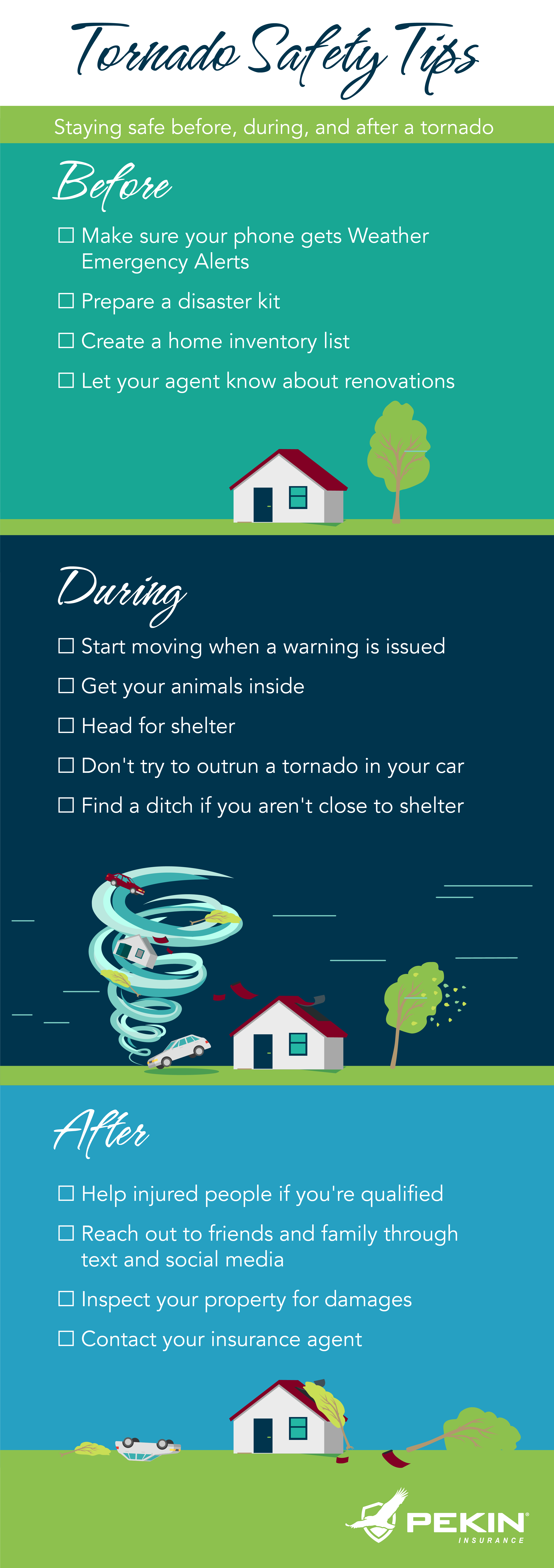
You might be surprised how much of this post-tornado wisdom is already woven into our daily lives and educational frameworks. In schools, for example, emergency drills often cover not just taking shelter, but also the "all clear" signal and what to do when emerging, like checking for hazards and accounting for everyone. Many communities host FEMA or Red Cross workshops that teach practical steps for post-disaster scenarios, from setting up communication plans to basic first aid. In daily life, the concept translates to the simple act of checking on neighbors, documenting damage for insurance purposes, or volunteering with local clean-up efforts. These are all real-world applications of understanding the crucial steps that unfold once the winds have died down, turning abstract knowledge into tangible aid and support.
Must Read
So, how can you explore this topic further or even apply it practically? The good news is, you don't need a storm on the horizon to prepare! A great first step is simply having a family emergency plan that includes a designated meeting spot and an out-of-state contact. Put together an emergency kit with essentials like water, non-perishable food, flashlights, and a battery-powered radio. To dive deeper, consider taking a first aid or CPR course – these skills are invaluable in any emergency. You could also research your local community's emergency preparedness plans or volunteer with organizations like the Red Cross, which provide invaluable support during and after disasters. Even reading survivor stories or documentaries can offer a powerful, empathetic insight into the human experience of navigating the aftermath. It’s about being informed, prepared, and ready to lend a hand, making our communities stronger, one thoughtful step at a time.