Have you ever watched a welder at work? The shower of bright sparks, the intense glow of molten metal, the hum of power – it’s a mesmerizing sight, almost like magic. But behind all that dazzling light and heat, there’s a quiet hero, a humble stick of metal known as a welding rod. And if you look closely, you'll notice these rods often have a mysterious string of numbers and letters stamped right on them. What on earth do they mean? Well, get ready, because these aren't just random digits; they're a secret code that unlocks the superpower of the weld!
Think of a welding rod as the special glue that holds two pieces of metal together, making them one strong, seamless piece. But just like you wouldn't use super glue to fix a broken car engine, welders can't use just any rod for any job. That's where the numbers come in, telling a story about the rod’s hidden talents and exactly what kind of heroic feat it's capable of.
The "E" is for Electrode!
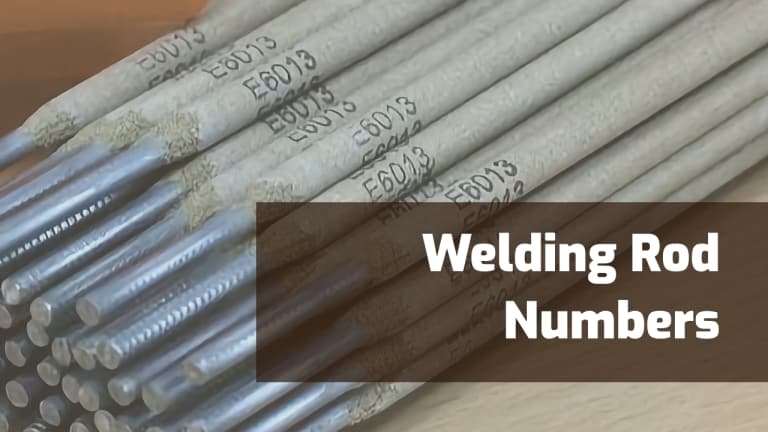
Most welding rod numbers you’ll encounter start with an E. This simply stands for electrode, which is the fancy name for the rod itself – the part that carries the electrical current and melts to form the weld. So, nothing too mysterious there, but it’s a good starting point for our decoding adventure!
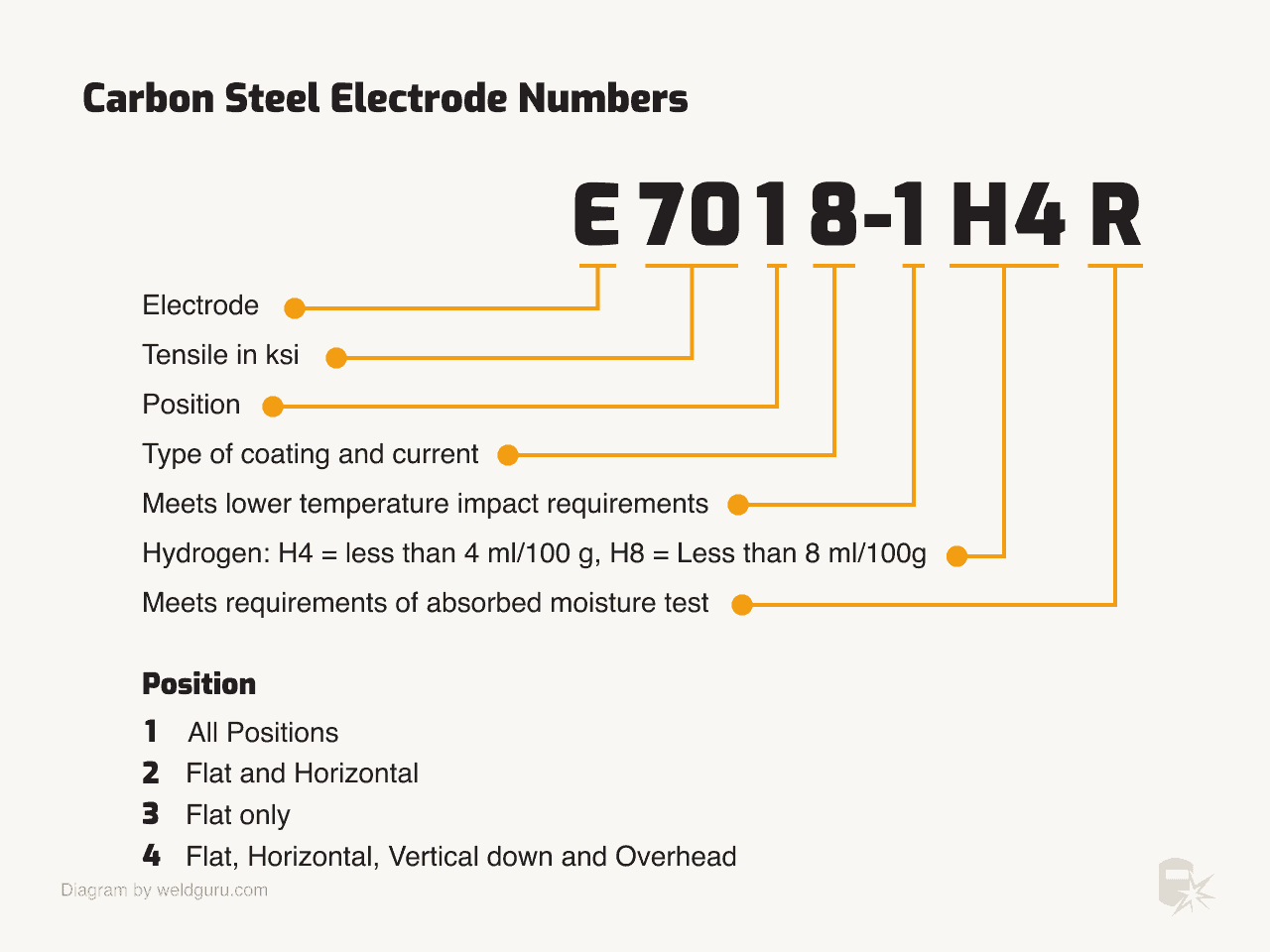
Now, things get exciting! Let's look at a common example, like an E6010 or E7018. The first two digits after the "E" – that's the 60 or 70 – tell us about the weld's tensile strength. In plain English, this means how much pulling force the completed weld can handle before it starts to stretch or break. It's measured in thousands of pounds per square inch (psi). So, an E6010 rod creates a weld that can withstand at least 60,000 psi of pulling force. An E7018? That’s 70,000 psi! It's like knowing how much weight a superhero can lift. The higher the number, the stronger the weld, making it perfect for jobs where ultimate durability is key, like building bridges or heavy machinery. This ensures whatever is being welded will stand up to serious stress.
Acrobatics and Angles: The Third Digit
Next up, the third digit in our code reveals the welding rod's preferred welding position. Imagine a welder trying to join two pipes overhead while sparks rain down – that takes a special kind of rod! This digit tells us if the rod is good for welding in flat positions (like welding on a tabletop), horizontal (across a wall), vertical (up or down a wall), or even overhead (like on a ceiling). Here's a quick peek:
how to read the welding rod number - YouTube
1: All positions (the versatile champion!)
2: Flat and horizontal only (great for speedy, easy work)
3: Flat only (perfect for simple, stable projects)
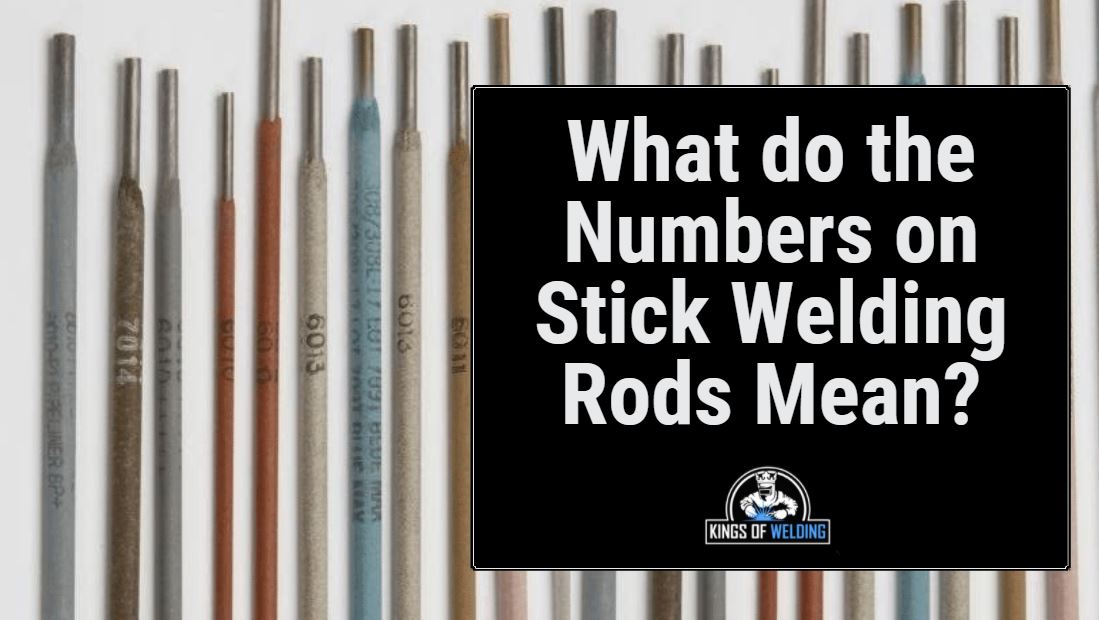
Welding Rod Number Meaning & Welding Rod Chart | Kings of Welding
4: Flat, horizontal, vertical down, and overhead (another versatile hero, but with special vertical down capability!)
This number is super important because a welder needs to match the rod to the tricky angles and positions of their project. Using the wrong rod could make the weld sag or even fall apart – definitely not what you want!
The Grand Finale: Coating and Current – The Last Digit
The final digit, often the most complex and interesting, tells us about the rod's coating type and the type of electrical current it uses. The coating is a special mix of chemicals around the metal core, and it's where the real magic happens. This coating helps stabilize the electric arc, protects the molten metal from air contamination (which can weaken the weld), and even influences how the weld looks and performs. Different coatings offer different characteristics:
What Do Welding Rod Numbers mean? – WeldingMart.com
Some coatings produce a very smooth, clean weld, ideal for beautiful finishes.
Others create a deeper penetration, perfect for structural strength.
And some are designed for specific types of current – AC (alternating current) or DC (direct current) – which changes how the welder sets up their machine.
Welding Rod Numbers Explained: What Do They Mean?
This last digit gives the welder control over the arc's stability, the ease of starting a weld, and even the "personality" of the finished bead. It's like choosing between different paintbrushes, each designed to create a unique effect!
Why This Matters: The Art of the Weld
So, why bother with all these numbers? Because for a welder, these digits aren't just technical jargon; they're the language of their craft. Choosing the right rod with the perfect numerical code is paramount to creating a strong, safe, and beautiful weld. It's what separates a wobbly, weak joint from a bond that will last for decades. A skilled welder understands this code deeply, knowing which rod will perform best for a specific metal, thickness, joint design, and position. They're not just melting metal; they're essentially designing the molecular structure of a new, fused material.
The next time you see a welder, perhaps working on a construction site or crafting a piece of metal art, take a moment to appreciate the science and artistry behind their work. Those humble welding rods, with their cryptic numbers, are a testament to incredible engineering and the welder's mastery. They're not just sparks and heat; they're a carefully orchestrated symphony of strength, position, and chemistry, all guided by a simple, yet profound, numerical code. It's truly fascinating, isn't it?