
What Do We Use Biomass Energy For

Okay, let’s kick things off with a little story, shall we? Picture this: you’re out camping, the air is crisp, and the sun has just dipped below the horizon, painting the sky in fiery oranges and purples. Someone gets the fire pit going, and soon, you’ve got a cheerful blaze crackling away. You toast marshmallows, tell spooky stories, and just soak in the warmth. It’s simple, primal, and utterly satisfying. That fire, burning wood to give you heat and light, is one of the oldest forms of energy use known to humanity, right?
Well, believe it or not, that very same basic principle – taking organic stuff and getting energy out of it – is what we call biomass energy. And no, it’s not just for camping trips anymore! It’s a pretty big deal in our quest for a more sustainable future, even if it sometimes flies under the radar compared to solar panels or wind turbines. So, let’s dive into what we actually use this fascinating, sometimes controversial, energy source for.
Because, seriously, what do we actually do with all that organic goodness once we decide to turn it into power? Turns out, quite a lot!
Must Read
Back to Basics: Heating Our Homes (and Bellies!)
Just like your campfire, one of the most straightforward uses of biomass is for heating. Think about it: wood stoves in cozy cabins, fireplaces in your grandparent’s living room, or even those fancy pellet stoves that burn compacted wood pellets. This is direct thermal energy, baby!
But it's not all quaint and rustic. On a larger scale, some towns use biomass to fuel district heating systems, piping warmth to multiple buildings from a central plant. It's efficient, it uses local resources, and it gives a whole new meaning to "heating with wood." You’re literally turning forests (sustainably managed, of course!) or agricultural waste into a warm house. Pretty neat, huh?
Powering Our Lights: Biomass Electricity
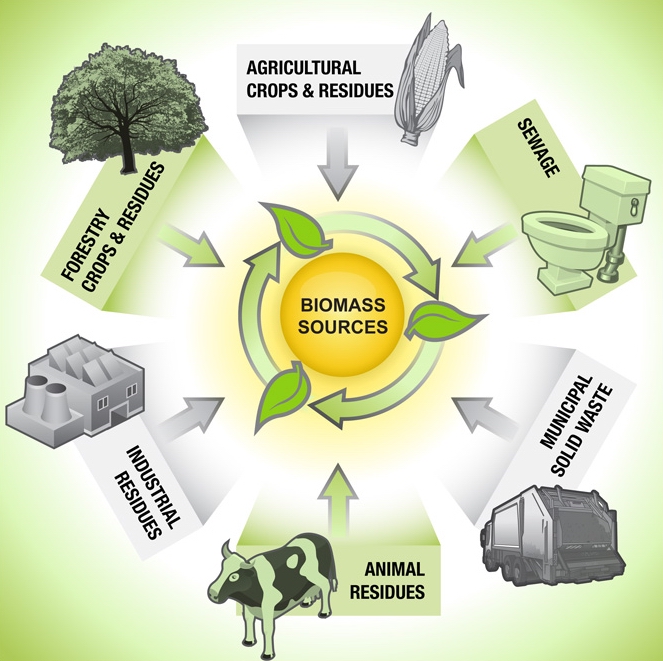
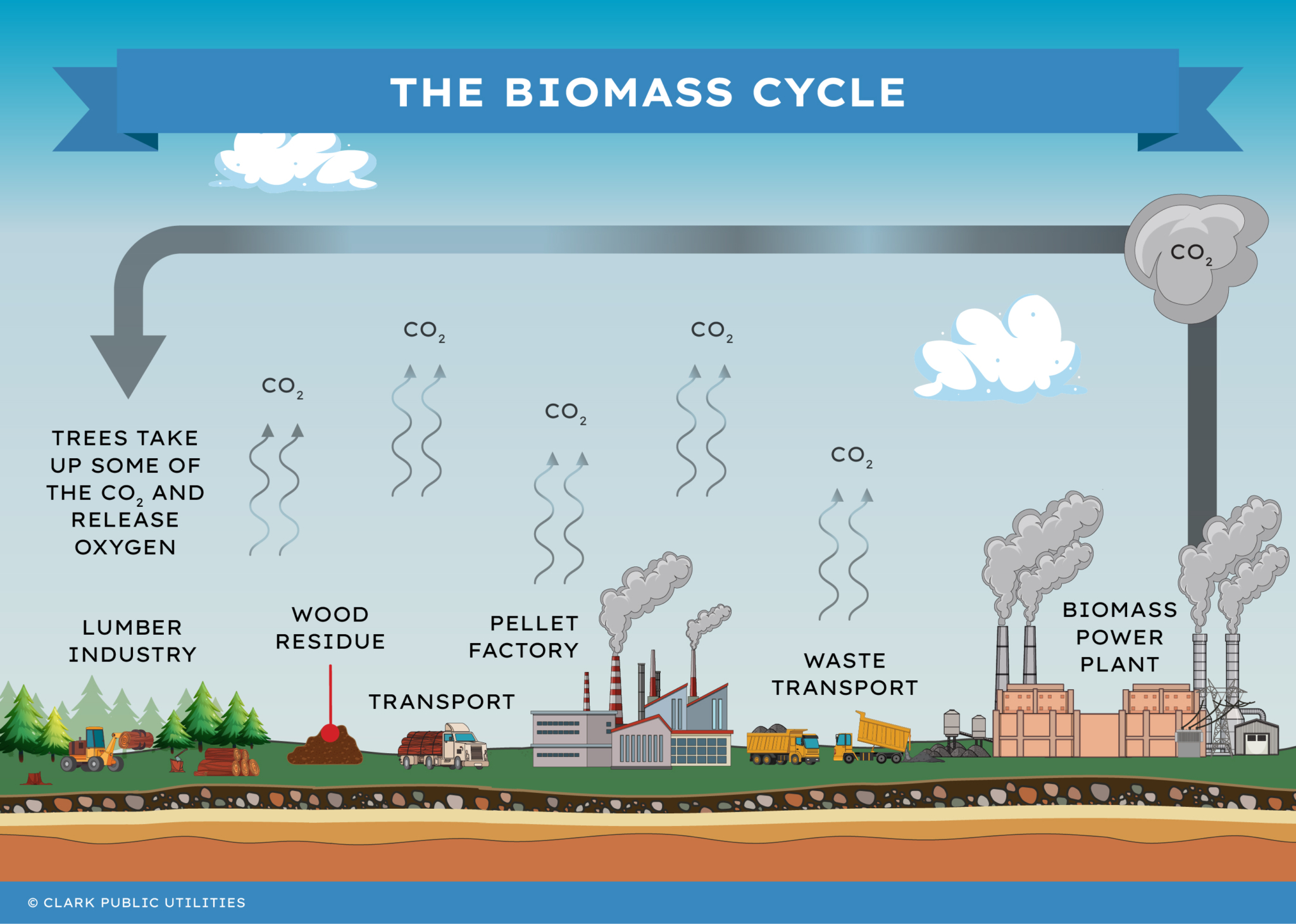
Now, if you can burn wood for heat, why not burn it to generate electricity? Exactly! Many power plants around the world are actually biomass power plants. They burn agricultural waste, forest residues, purpose-grown energy crops, and even municipal solid waste (the organic bits, anyway) to heat water, create steam, and spin turbines. Just like coal or natural gas plants, but with a potentially renewable fuel source.
The idea here is that the carbon released when burning biomass was recently captured from the atmosphere by the plants themselves. So, if you’re growing new plants to replace what you burn, it theoretically creates a carbon-neutral cycle. Of course, it’s a bit more complicated than that in reality (nothing’s ever truly simple, is it?), but it’s definitely a step towards weaning ourselves off those stubborn fossil fuels.
Fueling Our Journeys: Biofuels for Transport
Ever put E10 or E85 in your car? That "E" stands for ethanol, a type of alcohol fuel often made from corn, sugarcane, or other plant matter. And what about biodiesel? That's typically made from vegetable oils (like soybean or canola) or even recycled cooking grease. Yup, the stuff that made your fries crispy could be propelling your car down the highway!
These biofuels are a big player in trying to de-carbonize our transportation sector, which, let’s be honest, is a bit of a carbon hog. While there are debates about "food vs. fuel" and land use (important stuff!), the ability to create liquid fuels from plants means we're not entirely dependent on drilling for every drop of gasoline. Imagine: your road trip powered by the sunshine captured by a field of corn. Mind-boggling, right?
The Stinky but Mighty Hero: Biogas
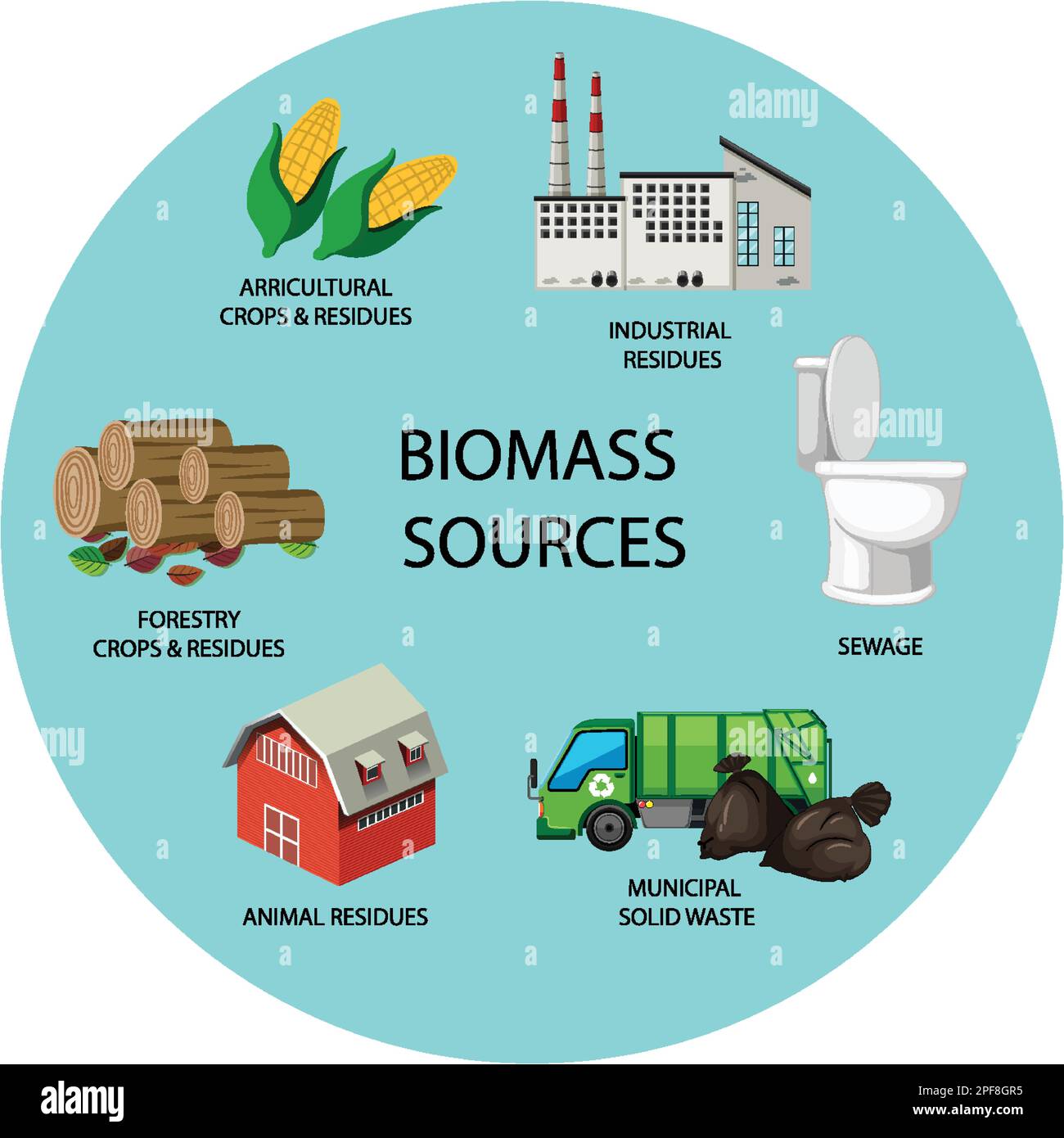
This one's a bit less glamorous, but incredibly clever. What happens when you put a bunch of organic waste – think animal manure, sewage sludge, food scraps from landfills, or even energy crops – into an oxygen-free environment? They decompose, producing a gas mixture called biogas, rich in methane.
This "cow fart energy" (as I like to playfully call it) can then be captured and used! Farmers use it to generate electricity for their farms, some communities use it for cooking or heating, and it can even be cleaned up and injected into natural gas grids. It's literally turning waste into a valuable resource, tackling both energy needs and waste management problems in one slightly smelly but incredibly efficient swoop. Talk about recycling on steroids!

Beyond Energy: Bioproducts and the Future
Here’s where it gets really interesting and forward-thinking. Biomass isn’t just about burning stuff for energy; it's also about using the raw materials themselves to create other valuable products. We’re talking about bioproducts and biochemicals. Imagine plastics made from plants instead of petroleum, or industrial chemicals derived from agricultural waste.
This is the cutting edge, where biomass becomes a feedstock for a whole new generation of sustainable materials. Think about things like biodegradable packaging, plant-based textiles, or even construction materials with a smaller environmental footprint. It’s about building a circular economy where waste from one process becomes the input for another, ultimately reducing our reliance on finite resources. Pretty cool, huh?
So, there you have it. From a cozy campfire to powering cities and even making your next plastic bottle, biomass energy is a versatile player in our energy future. It’s not without its challenges, sure, but it’s a powerful reminder that sometimes, the simplest, most ancient ideas can still spark some truly innovative solutions for our modern world. Keep an eye out for it – it’s probably working harder than you think!