
What Do U Need To Buy A House
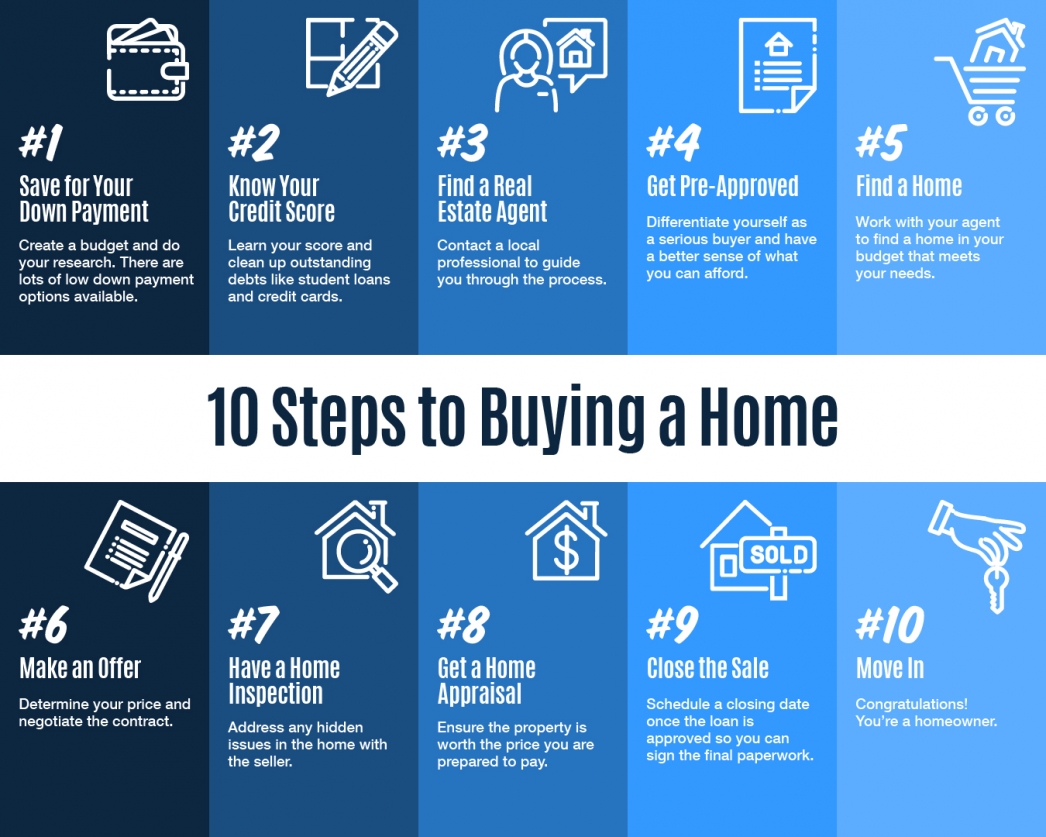
Dreaming of a place where you can paint a wall any colour you like, plant a ridiculous garden gnome without landlord approval, or finally get that dog you've always wanted? Yep, we're talking about buying a house! It can feel like climbing Mount Everest in flip-flops, but honestly, it’s more like baking a really awesome cake. You need the right ingredients, a good recipe, and a sprinkle of patience.
So, let's chat about what you really need to get your hands on those coveted house keys. No scary jargon, just friendly advice. Think of this as a warm-up chat before the big game!
The Money Talk: Your Down Payment & Closing Costs
Alright, let’s get the most obvious one out of the way: money. Specifically, you'll need two main pots of cash: your down payment and your closing costs. Think of the down payment like a big "I'm serious!" deposit. It's the chunk of change you pay upfront for the house, and it helps reduce the amount you need to borrow.
Must Read
Imagine buying a super fancy new phone. You don't usually pay the full price all at once, right? You put a deposit down, then pay the rest over time. A house is similar, just on a much grander scale! Traditionally, people aim for 20% of the house price as a down payment. But hey, don't sweat it if that sounds like a bazillion dollars. Many loans allow for much less – 5%, 3%, or even 0% in some cases (though 0% often comes with other costs like mortgage insurance). The bigger your down payment, the less you'll borrow, and often, the better your monthly payments will be.
Then there are closing costs. These are like the administrative fees for all the paperwork, legal bits, and bobs involved in transferring a house from one owner to another. Think of it as the delivery fee and setup charge for your new home! These can typically be 2-5% of the loan amount, so don't forget to budget for them too.
Your Financial Report Card: The Credit Score
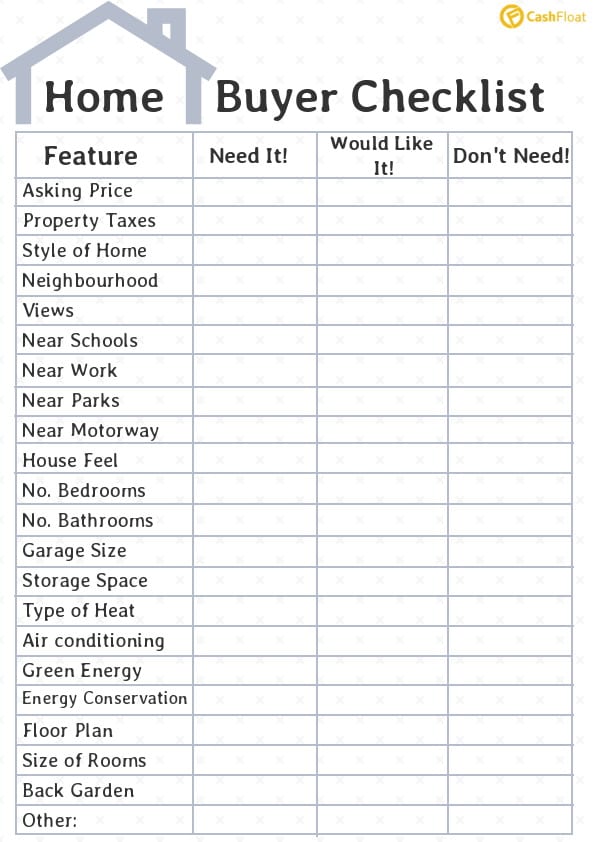
Next up, your credit score. This isn't just a mysterious number; it's basically your financial reputation. Banks look at it to see how reliable you are at borrowing and paying back money. Are you the friend who always pays them back right away, or the one who "forgets" they owe you for that latte? Banks want the reliable friend!
A good credit score (generally 700+) tells lenders you're a responsible borrower, making you look like a safer bet. This can translate into better interest rates on your mortgage, which means saving a ton of money over the life of your loan. Imagine paying less for your favourite coffee every single day for 30 years – that’s the kind of saving a good credit score can unlock!
If your score isn't quite where you want it, don't fret! You can improve it by paying bills on time, keeping credit card balances low, and avoiding opening too many new credit accounts all at once. It’s like tending to a garden; a little consistent care makes it flourish.

Steady as She Goes: Stable Income & Employment
Lenders also want to know you have a stable income and employment history. They need to be confident you can consistently make those monthly mortgage payments. Think of it from their perspective: they’re lending you a huge sum of money, so they want to see you’ve got a steady stream of income flowing in.
This usually means having a job for at least two years (though there can be exceptions for recent graduates or specific career paths). If you’re self-employed, they’ll want to see a solid couple of years of tax returns. It’s all about showing them you’re not just flying by the seat of your pants financially, but rather, you've got a stable flight plan.
The "Why Bother?" Fun Part: Why This All Matters!
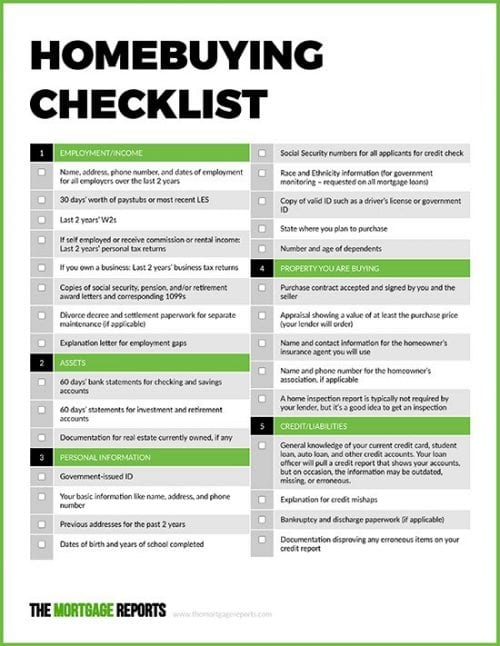
So, why go through all this number crunching and saving? Because owning your own home is an incredibly rewarding adventure! It’s not just a place to live; it’s a place to grow your roots, create memories, and really make it yours.
Imagine never having to ask permission to paint a room bright pink or hang a giant tapestry. You can truly personalize your space! Plus, every mortgage payment you make isn't just going to a landlord; it's building equity – like a slowly growing piggy bank that lives in your home. This equity can be a valuable asset down the road.
And let's be real, there's a certain magic to getting those keys and walking into a place that's officially yours. It's a huge step towards financial freedom and building a stable future for yourself and your family. It's a place where you can finally say, "Honey, I'm home!" and truly mean it.
Don't Forget These Sidekicks!
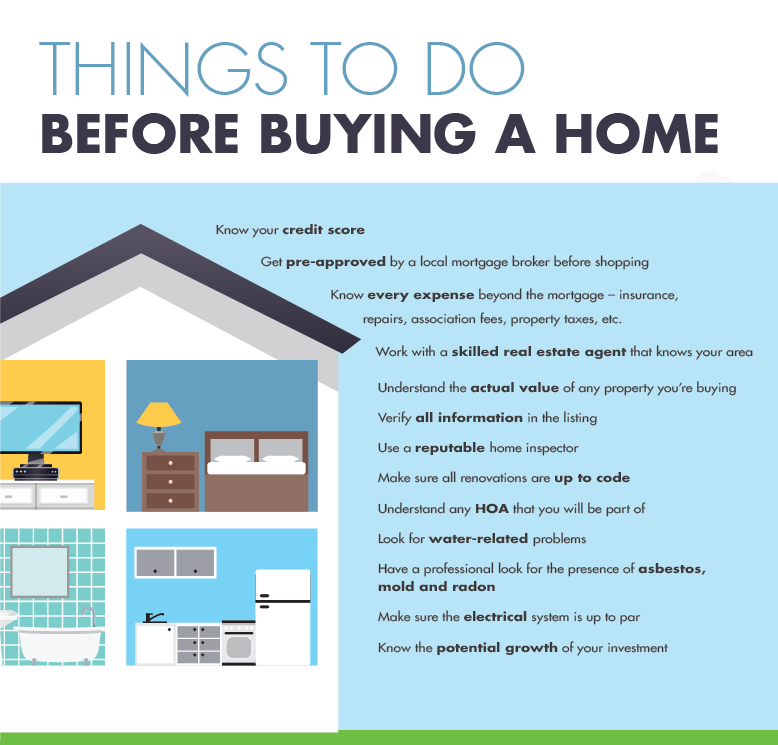
Before you even start house-hunting, consider getting a pre-approval letter from a lender. This is like getting a VIP pass to the housing market. It tells sellers you're a serious buyer and confirms how much a bank is willing to lend you. It’s a huge confidence booster and makes the whole process smoother!
Finally, a little bit of emergency savings beyond your down payment and closing costs is a brilliant idea. Houses, like anything, can throw a curveball sometimes – a leaky faucet, a new appliance, or an unexpected repair. Having an "oopsie" fund helps you handle these without stress.
Buying a house is a big step, but it’s absolutely doable. It takes some planning, a little discipline, and sometimes, a good sense of humour. But with these ingredients in your shopping cart, you’ll be well on your way to homeownership – and maybe even that ridiculous garden gnome!