What Do They Look For In A House Inspection

Let's face it, the idea of a house inspection isn't exactly up there with winning the lottery. It's not something most of us do for fun, but when you're talking about the biggest purchase of your life, a little bit of diligent investigation can save you from a world of expensive headaches down the line. Think of it as a deep dive into the potential (and sometimes hidden!) realities of your dream home – a chance to avoid turning that dream into a nightmare.
The benefits of a house inspection are pretty clear. It's all about risk mitigation. Buying a home is a huge investment, and a professional inspection provides invaluable insight into the property's condition. It helps you uncover potential problems, negotiate a better price, and budget for future repairs. Knowing exactly what you're getting into empowers you to make informed decisions, whether you're a first-time buyer or a seasoned real estate investor.
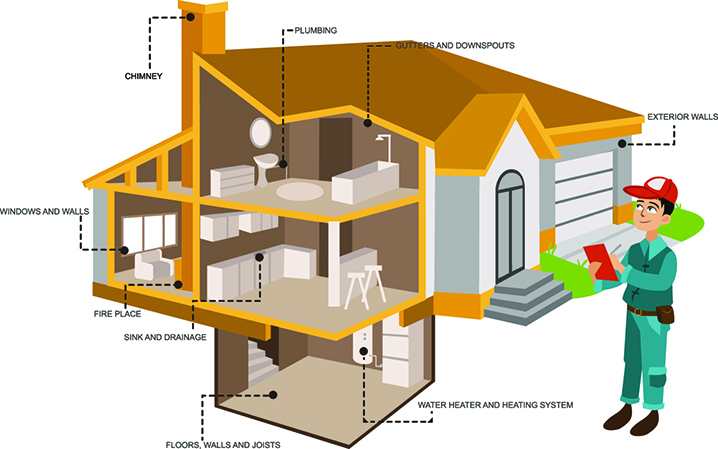
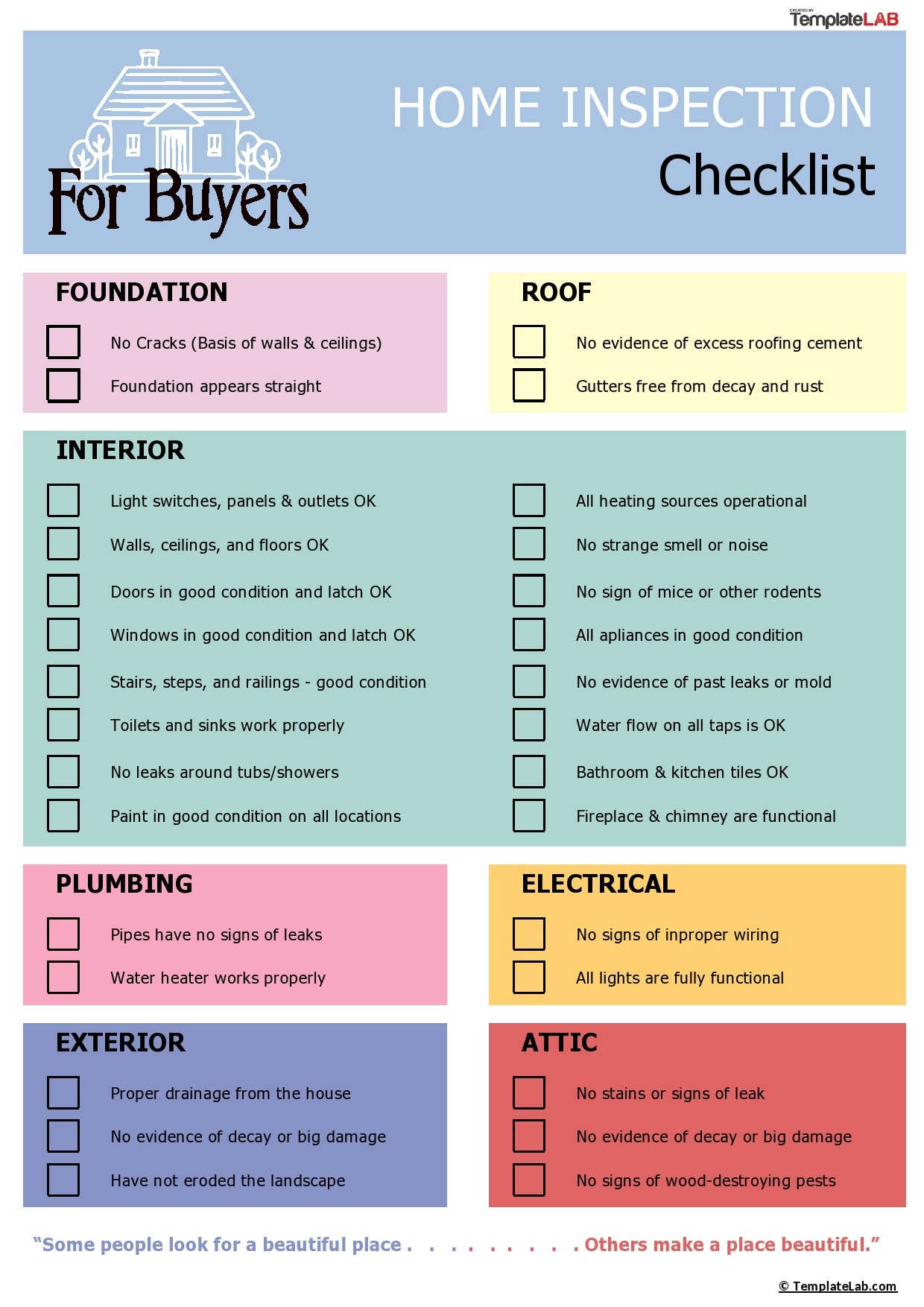
So, what exactly are these eagle-eyed inspectors looking for? Well, it's a comprehensive process that covers all the major systems and structures of the house. Here are some common areas of focus:
Must Read
- Structural Integrity: Are there any cracks in the foundation? Is the framing sound? These are crucial questions to answer.
- Roofing: Leaks, missing shingles, and the overall condition of the roof are meticulously examined. A faulty roof can lead to significant water damage.
- Plumbing: Inspectors check for leaks, water pressure issues, and the condition of pipes and fixtures.
- Electrical Systems: They look for faulty wiring, overloaded circuits, and any potential fire hazards. Electrical problems are not something you want to discover after you've moved in!
- HVAC (Heating, Ventilation, and Air Conditioning): Is the system functioning efficiently? What's the age and condition of the furnace and air conditioner?
- Exterior: Siding, windows, doors, and drainage are all assessed for damage and proper functionality.
- Interior: Walls, ceilings, floors, and fixtures are inspected for defects and potential problems.
Beyond these basics, inspections can also cover things like pest infestations, mold growth, and even radon levels, depending on your area and the scope of the inspection.
How can you enjoy (or at least tolerate!) the inspection process more effectively? Firstly, be present! Walk through the property with the inspector. Ask questions and take notes. The more involved you are, the better you'll understand the findings. Secondly, choose a qualified and reputable inspector. Read reviews, check credentials, and ensure they have experience with the type of property you're buying. Don't just go with the cheapest option! Finally, don't panic! A home inspection report is likely to reveal some issues – no house is perfect. The key is to understand the severity of the problems and how they might impact your long-term costs and enjoyment of the property. Armed with this knowledge, you can negotiate repairs, request a price reduction, or even walk away if necessary. It's all about making an informed decision with your eyes wide open.