What Do People Use Energy For
Ever woken up, stumbled to the kitchen for coffee, and then reached for your phone to check the news? Congratulations, you've already interacted with a whole symphony of energy uses before even properly starting your day! It’s something so fundamental to our lives that we often take it for granted, humming along in the background like a familiar tune. But have you ever paused to think about what exactly we use all that energy for? It’s a surprisingly fun and insightful question to ponder, revealing the hidden machinery that powers our modern world.
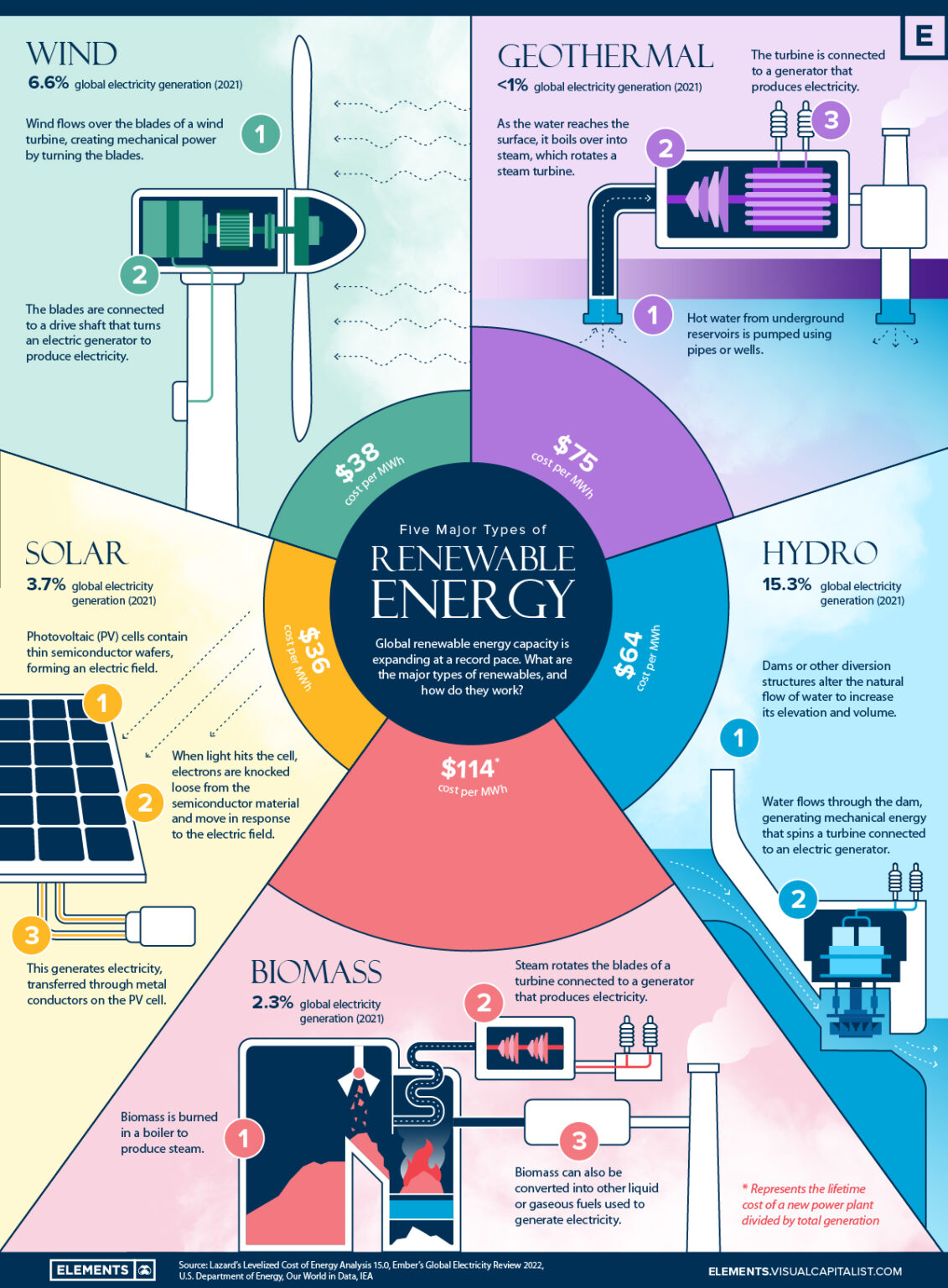
At its core, energy is what allows us to do things. It's the invisible force that makes everything happen, from the grandest industrial processes to the tiniest flutter of a butterfly's wing (though we're focusing on human uses here!). Its primary purpose is to enable action, create movement, generate heat or light, and facilitate communication. The benefits are enormous: energy brings us comfort, convenience, connection, and frankly, allows for most of the advancements we enjoy. Think about the warmth of your home on a cold day, the light that lets you read after sunset, or the internet that connects you to friends halfway across the globe – all powered by various forms of energy.
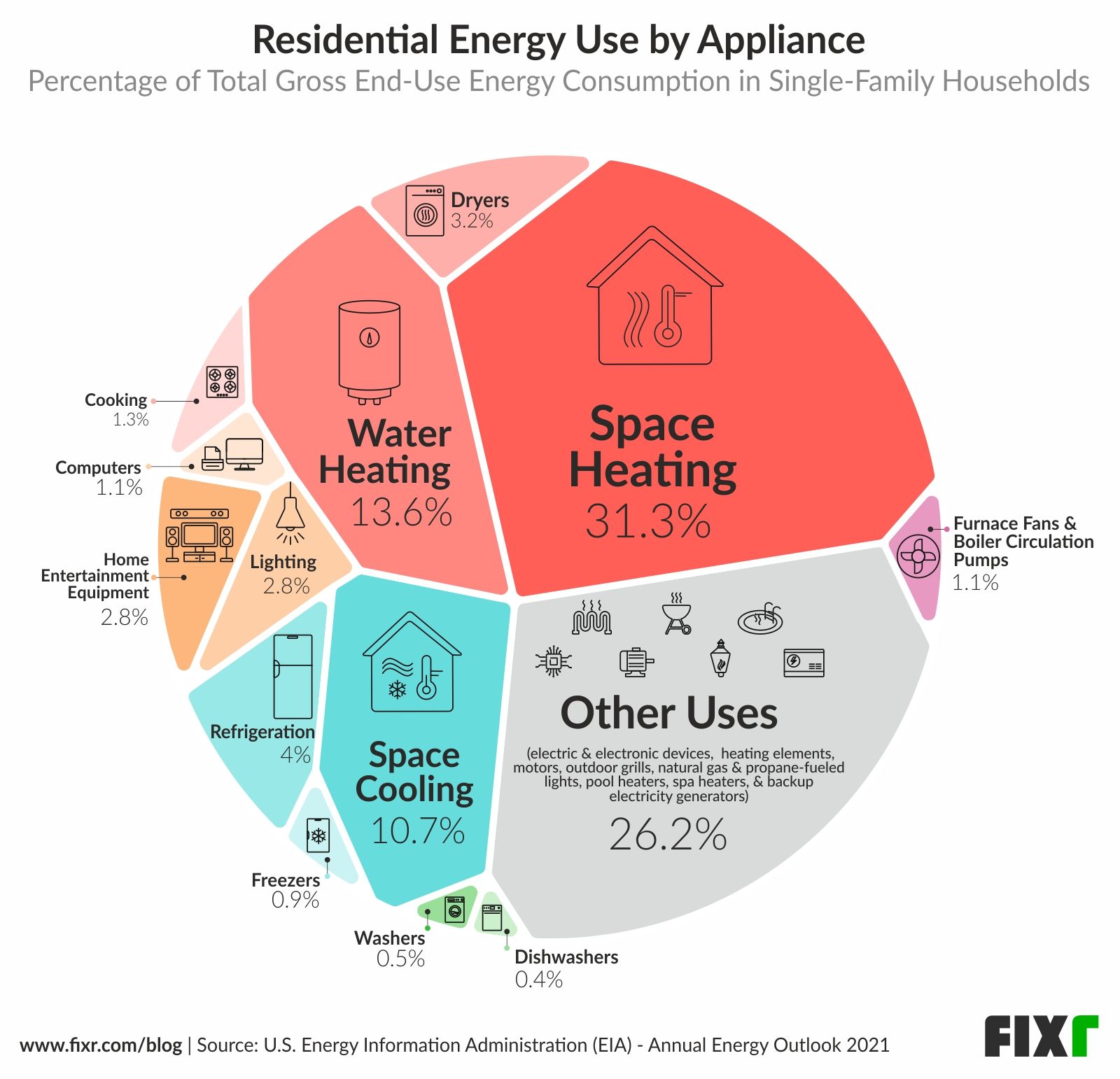
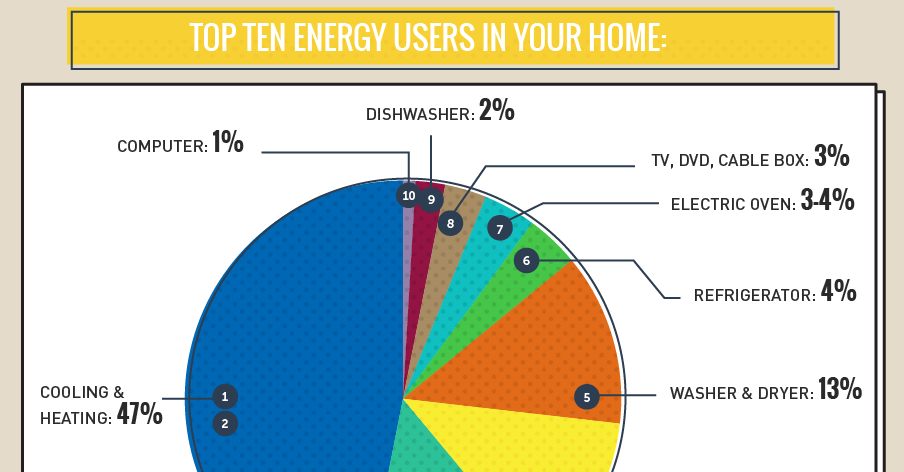
Let's dive into some everyday examples. In our daily lives, energy is absolutely everywhere. It's the electricity that powers your fridge, keeping your food fresh, and the stovetop that cooks your dinner. It runs the washing machine, the vacuum cleaner, and the fan that cools you down. Even getting around relies on energy: the petrol in your car, the electricity for trains, or the jet fuel for planes. Beyond the home, energy powers hospitals, shops, and offices. It helps grow our food through irrigation and farm machinery, and then processes and transports it to our tables. Essentially, if something moves, lights up, heats up, or computes, energy is making it happen.
Must Read
In education, energy plays a similarly critical role. Schools and universities rely on it for lighting classrooms, heating or cooling buildings, and powering all sorts of technology. From computers and projectors to scientific lab equipment and smartboards, energy ensures that learning can take place efficiently and effectively. Students at home use energy to power their laptops or tablets for online classes, access educational resources, and even just to light their study spaces. Understanding energy use can also be a fantastic educational topic in itself, teaching about science, engineering, and environmental stewardship.
So, how can you explore this fascinating topic yourself? It’s simpler than you might think! Try an "energy scavenger hunt" in your own home: wander around and identify everything that uses energy. Make a mental note (or even a list!) of what lights up, heats up, or makes a sound. Another fun way is to pick one appliance – say, your toaster – and imagine a day without it. How would your morning change? This helps you appreciate the impact of energy on your routine. For a more hands-on approach, consider simple experiments like creating a circuit with a battery and a light bulb, or even trying a small solar charger for your phone. Finally, simply being mindful of how much energy you're using, and perhaps thinking about small ways to conserve it, is a wonderful way to connect with this omnipresent force that shapes our world.