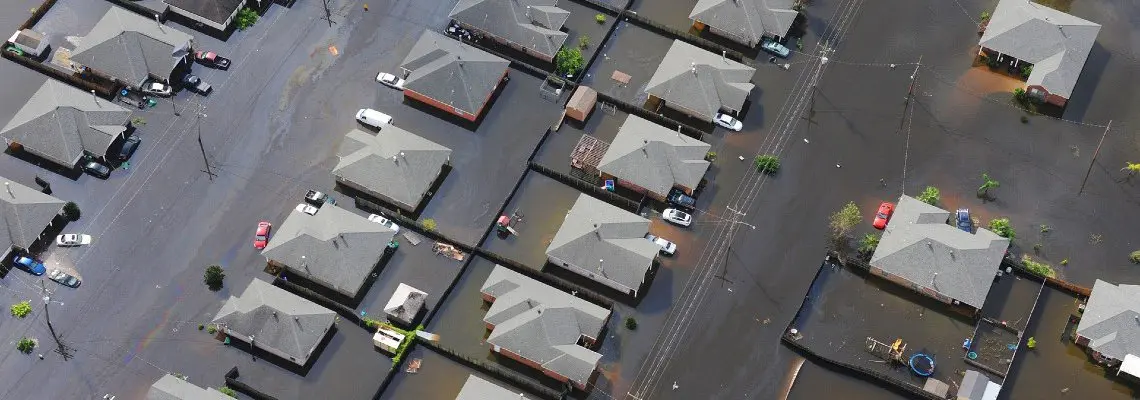
What Do I Do If My House Floods

So, you've walked into your living room, expecting a cozy evening, and instead, you've got yourself an indoor swimming pool. Not exactly the spa day you signed up for, right? Deep breaths, friend. We've all imagined it (or maybe that's just me?), but when it actually happens, your brain might just go... poof. But don't worry, we're going to navigate this watery mess together, like two intrepid explorers on a very damp adventure.
Step 1: The Absolute Biggie – Safety First!
First things first, and this is a super biggie: safety dance! No, not literally dancing, unless you're doing it carefully away from the rising tide. Your absolute number one priority is your well-being. Seriously, find that main breaker box and flip. it. off. Like, right now. Electricity and water are not friends. They're like that dramatic ex-couple who, when they meet, cause all sorts of sparks and chaos. You do NOT want to be in the middle of that. If the water's super deep or moving quickly, or if you smell gas, just get out. Your house can be replaced, you can't!
Step 2: Stop the Gushing (If You Can Safely!)
Okay, power's off, you're not getting zapped (phew!), now what? Well, if it's a minor flood, like a rogue bathtub overflow or a sink having a tantrum, you might be able to find the source. Is it a burst pipe under the sink doing its best geyser impression? Or maybe your washing machine decided to reenact the Titanic? If you can safely turn off the water supply to that specific culprit, great! Even better, if you know where your home's main water shut-off valve is (you know where that is, right? If not, maybe make a mental note for after this whole ordeal), go ahead and turn off the water to the whole house. It’s like hitting the pause button on the disaster, giving you a chance to catch your breath.
Must Read
Step 3: Become a Flood Paparazzi
Next up on our flood fun-time agenda: become a paparazzi. Seriously. Grab your phone, your camera, anything that records, and document, document, document! Think of it as your Oscar-winning documentary, but with less glamour and more... well, water. Get wide shots of the overall chaos, then close-ups of damaged items, water lines on walls, soggy carpets, ruined furniture. The more evidence you have, the happier your insurance company (eventually) will be. And for the love of all that's dry, do NOT start cleaning up until you've documented everything! This is vital for your insurance claim. Take photos of before any action is taken. Every angle, every squishy detail.
Step 4: Make the Calls – Your New Best Friends
Once you've got your director's cut of "My Flood Story," it's time to make some calls. Your insurance company is your new best friend. Call them immediately. Seriously, before you even think about grabbing a mop. They'll tell you what to do next, what not to touch, and how to start the claims process. This is where those photos come in super handy! If you're renting, your landlord is also on that speed dial list. And depending on the severity, you might also be calling a plumber, an electrician, or even a professional flood restoration company. Don't be shy; this is what they do!
Step 5: Mitigation – The Drying Game
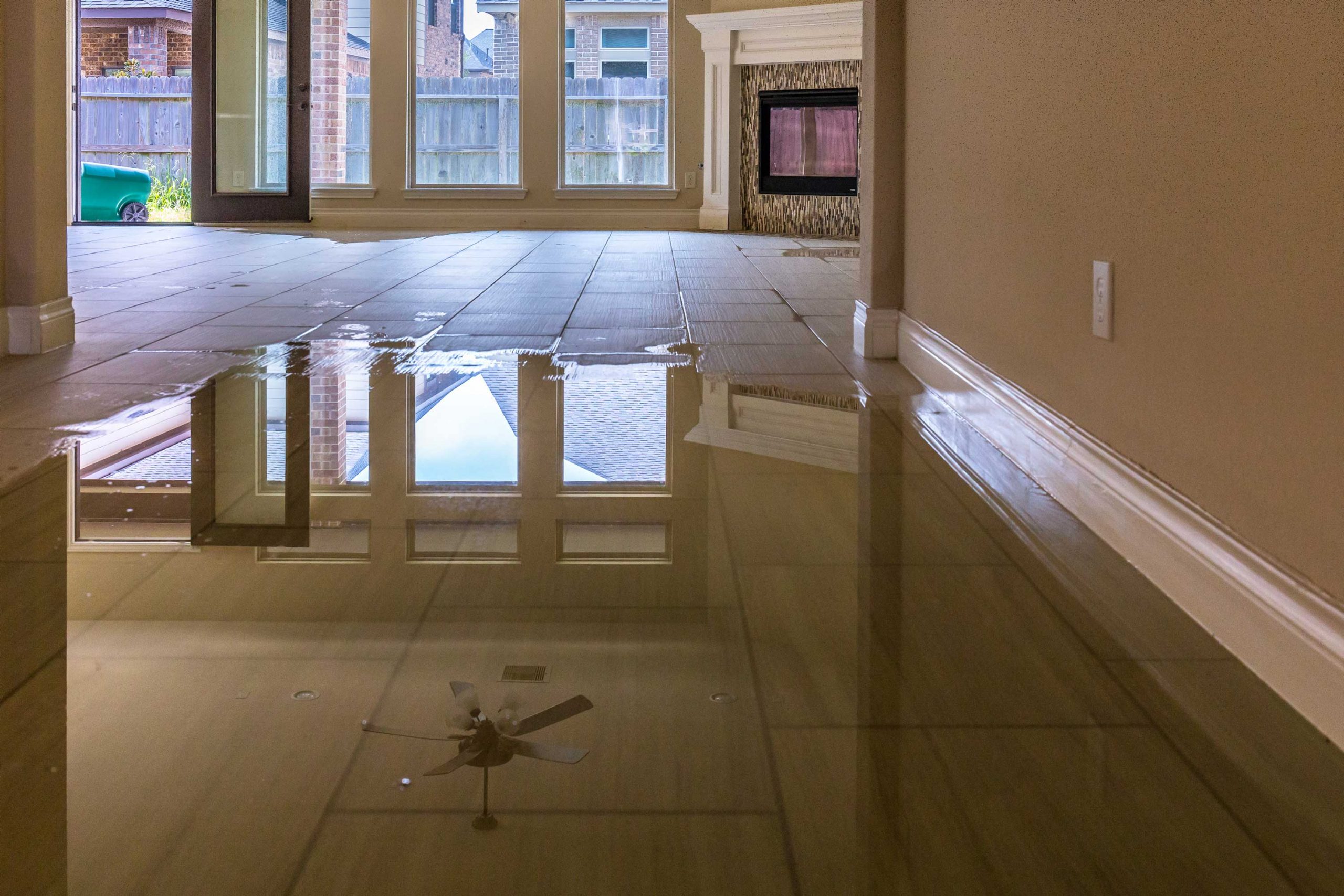
Okay, calls made, photos taken, and you're feeling a tiny bit more in control (maybe just a tiny bit, and that's okay!). Now for the cleanup, or more accurately, the mitigation. This isn't just about grabbing a bucket and going wild. We're talking about removing standing water (wet vacs are your friend!), getting air circulating with fans, and maybe even renting a beefy dehumidifier. Open windows if it's safe and not raining more. Your goal is to get things dry, and fast, to prevent mold from setting up its own little fungal colony. Mold is the sneaky villain of the flood story; it shows up uninvited and is a pain to evict. Move any salvageable items to a dry area, preferably off the floor. Think high and dry!
Step 6: Patience, My Friend, Patience
This whole ordeal? It's a marathon, not a sprint. There will be frustrating moments, soggy surprises, and probably a few more deep breaths than usual. Take deep breaths. Don't be afraid to ask for help from friends, family, or even those professional restoration services. Sometimes, trying to tackle everything yourself is like trying to empty a swimming pool with a teacup. It’s okay to admit when you need a little (or a lot) of backup. And remember, your house is just stuff. Important stuff, yes, but just stuff. You and your loved ones are what truly matter. Stay safe, stay calm, and you'll get through this. One soggy step at a time!