What Direction Should Your Fan Go In The Winter
Ever stare up at your ceiling fan in the dead of winter and wonder if it's just mocking you with its useless blades? Or maybe you’ve heard a whisper that it could actually be helping keep you warm. Turns out, that whisper might be onto something! Understanding the role of your ceiling fan in winter is more than just a fun fact – it's a surprisingly effective way to save money and boost your comfort.
So, what's the secret? It all boils down to warm air rising. You see, your heating system pumps warm air into your room, but because warm air is less dense, it naturally drifts upwards and accumulates near the ceiling. This means you might be perfectly comfortable from the waist up, while your toes are freezing down on the floor. That's where the fan comes in.
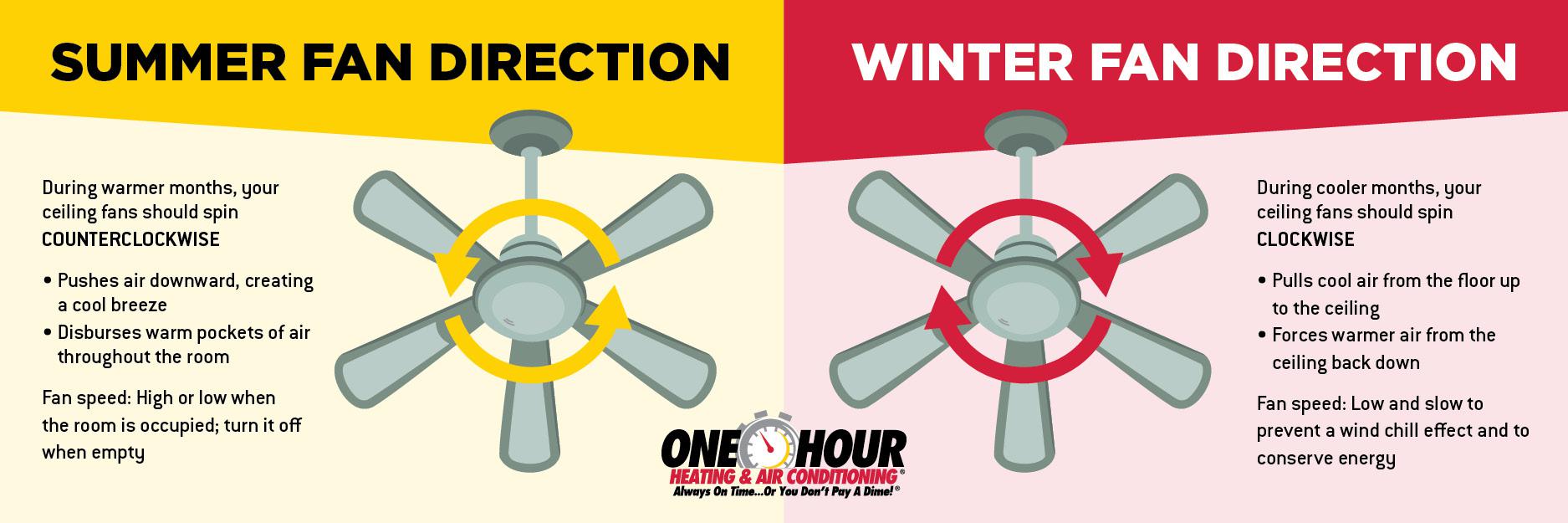
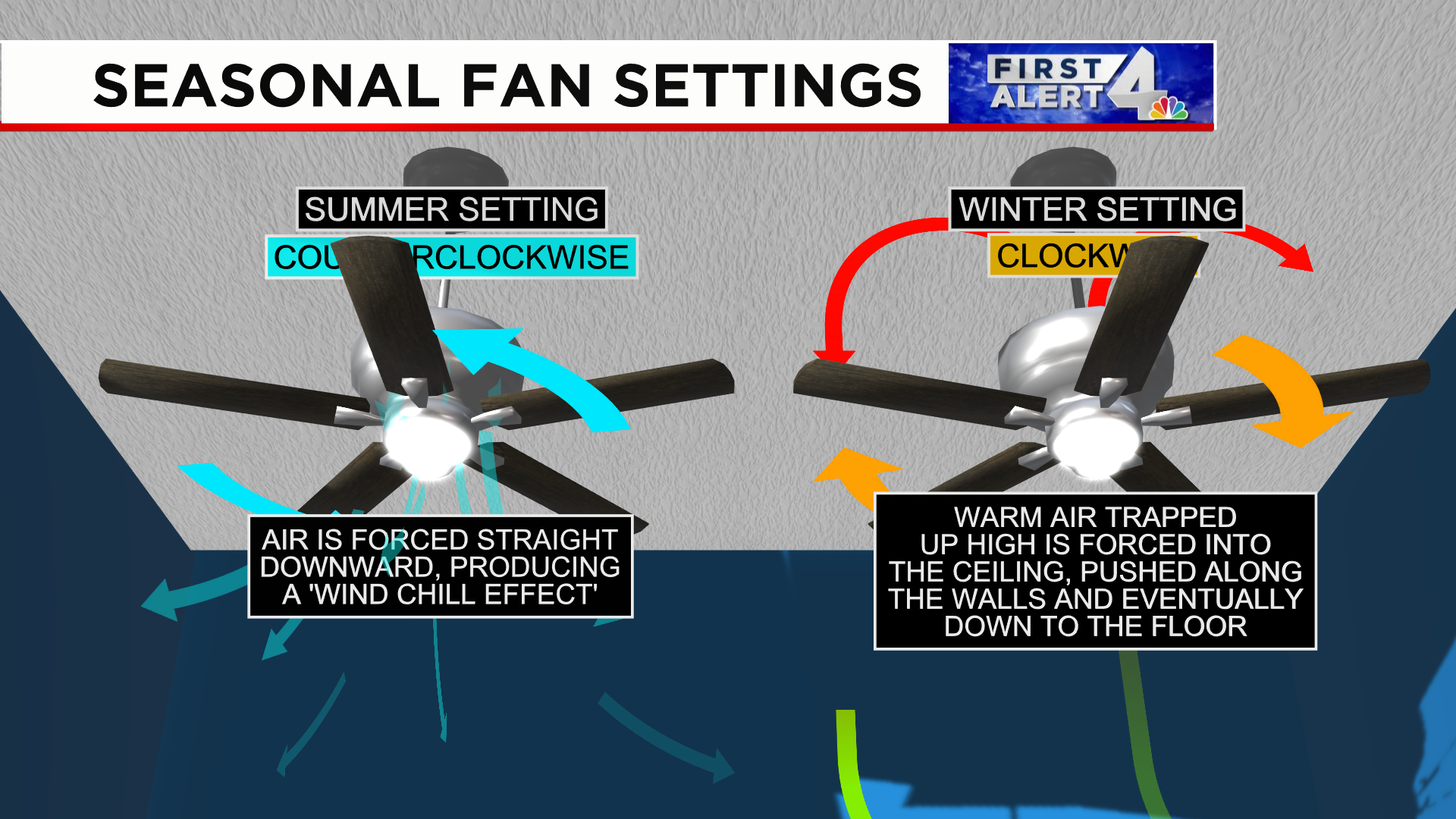
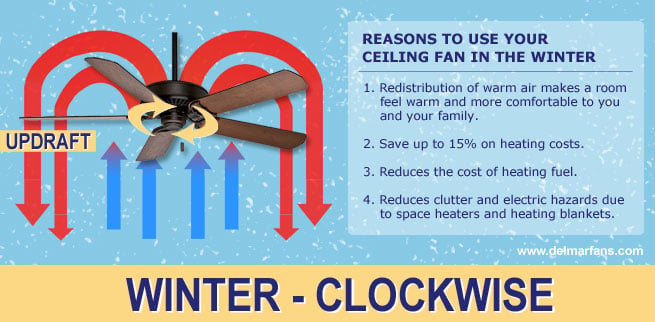
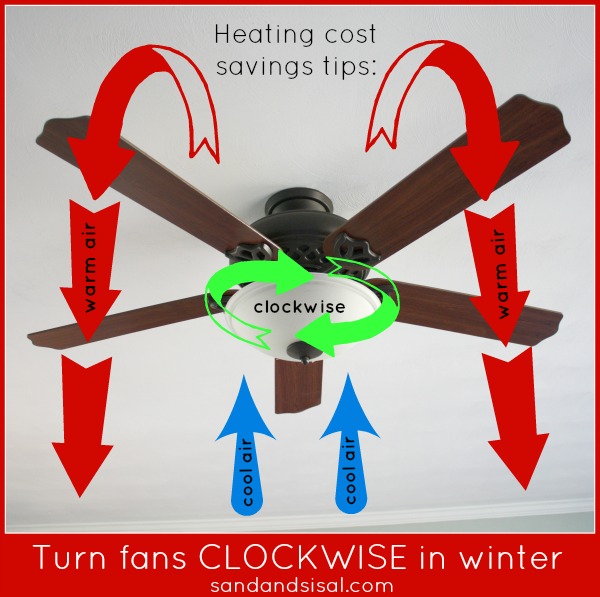
The purpose of reversing your ceiling fan in the winter is to gently redistribute that trapped warm air. When you switch the fan to run clockwise at a low speed (usually a switch on the fan motor housing), it pushes the warm air that's collected near the ceiling down along the walls. This creates a gentle circulation pattern that mixes the warmer air with the cooler air at floor level, creating a more even temperature throughout the room. Think of it like a silent, energy-efficient helper who's job is to keep the heat where you need it most.
Must Read
Imagine a classroom setting. The heater is blasting away, but the kids near the windows are still shivering. By reversing the ceiling fan, the teacher can help to even out the temperature, making the entire room more comfortable for everyone. Or consider a two-story home: often the upstairs is significantly warmer than the downstairs. Using the ceiling fan in reverse upstairs can help to push some of that heat down to the lower level, reducing the workload on the heating system and preventing energy waste. In daily life, this translates to a warmer, cozier home and potentially lower heating bills – a win-win!
How can you explore this concept further? First, check your fan's instruction manual. It will usually have specific directions on how to reverse the fan's direction. Next, feel the air movement at the center of the room. You shouldn’t feel a direct breeze, just a gentle movement of air. If you feel a strong breeze, the fan is running too fast. Adjust the speed to the lowest setting. Experiment with different settings to find what works best for your room size and ceiling height. Pay attention to how your room feels over the course of a few days. Are your feet warmer? Is your heating system running less frequently? These are all good indicators that the reversed fan is doing its job.
Finally, remember to monitor your energy bills. While the savings might not be dramatic, over the course of a winter, the accumulated effect can be significant. By understanding how your ceiling fan works in the winter, you're not just controlling the temperature in your home, you're taking control of your energy consumption and creating a more comfortable living space.