
What Direction Should My Fan Spin In The Winter
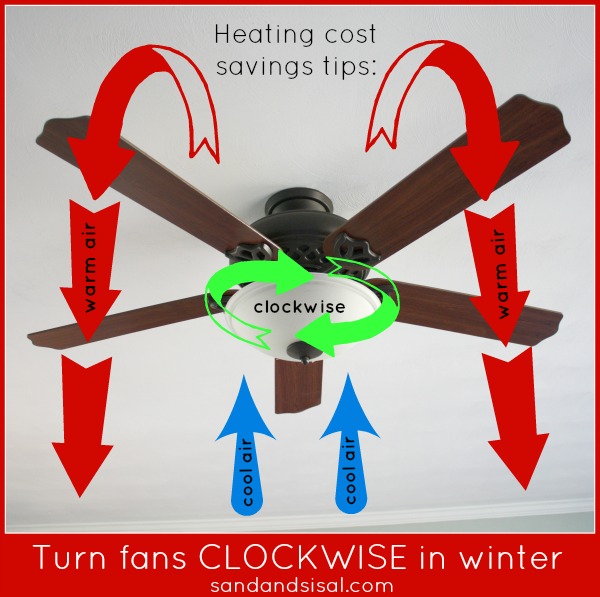
Hey there, cozy crew! Ever find yourself staring up at your ceiling fan in the dead of winter, wondering if it’s just…mocking you with its stillness? Or maybe you're thinking, "Wait, should that thing even be on?" You’re not alone! Let's dive into the surprisingly cool (pun intended!) world of winter fan direction.
The Great Fan Direction Debate: Winter Edition
Okay, so here’s the deal. Most of us associate ceiling fans with keeping us cool in the summer. Makes sense, right? They push the air down, creating a breezy, refreshing sensation. But did you know they can actually help you stay warmer in the winter? Yeah, mind blown. It's all about changing the direction!
Think of it like this: imagine you're a tiny, invisible heat molecule. In the winter, you're all excited because you've been created by your awesome furnace! You naturally rise up, closer to the ceiling. It's warmer there! But...you get stuck. That warm air just hangs out near the ceiling, doing absolutely nothing for the people down below who are shivering in their socks. That's where the fan comes in.
Must Read
Why Reverse is the Magic Word
Here's the key: in the winter, you want your fan to spin in reverse. Most ceiling fans have a little switch (usually located on the motor housing) that allows you to change the direction.
Now, what does "reverse" actually look like? In the summer, your fan should generally spin counterclockwise when you look up at it. So, in the winter, you want it to spin clockwise. Easy peasy!
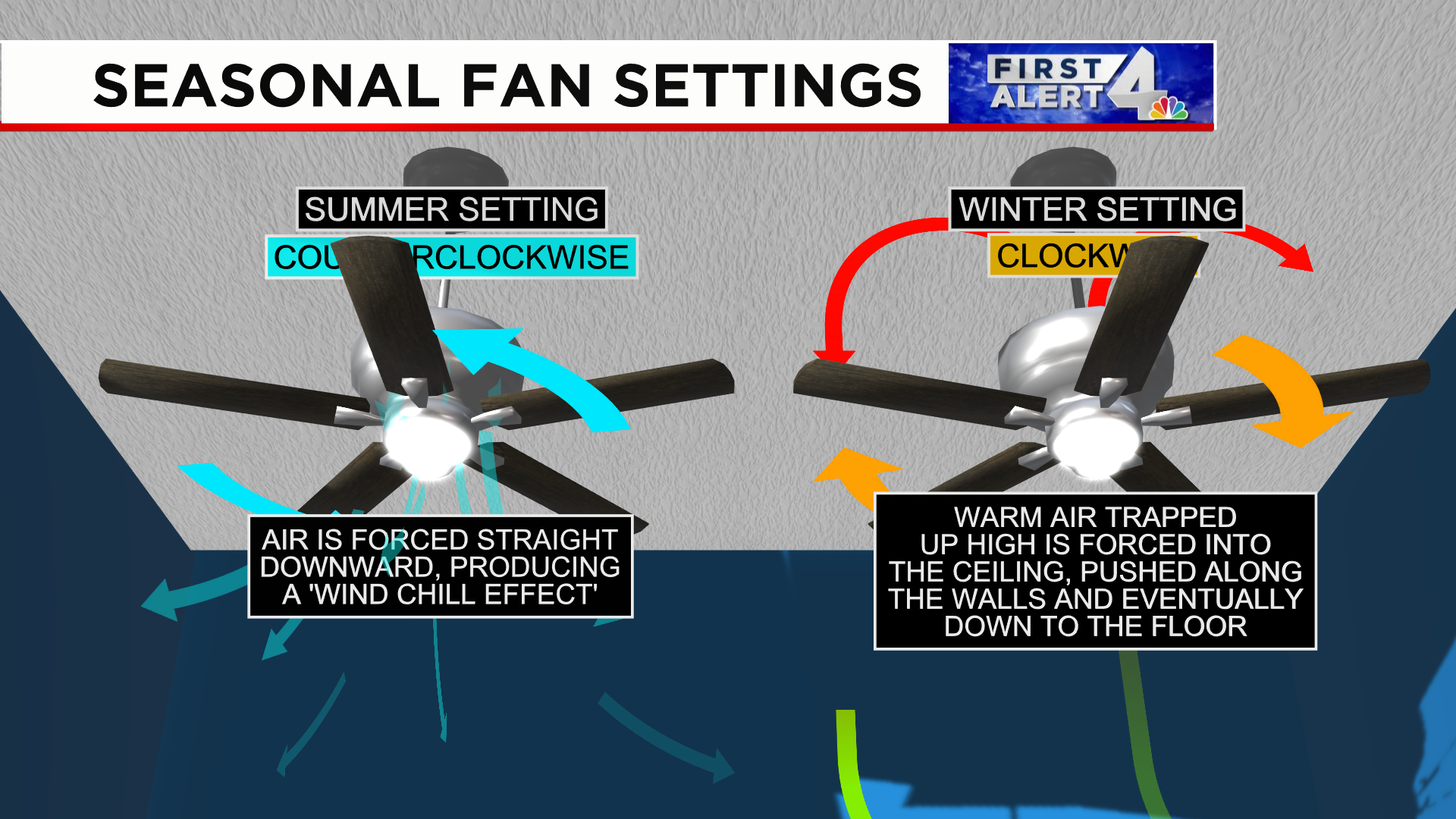
But why clockwise? Well, instead of blowing air down like it does in the summer, a fan spinning in reverse gently pulls air up. This pushes that trapped warm air near the ceiling down the walls and into the rest of the room, making it more evenly distributed. Think of it like gently nudging a sleeping giant awake.
The important thing is that you want the airflow to be gentle and subtle. You shouldn't feel a strong breeze. If you do, your fan is set too high! Lower the speed until you just feel a very slight circulation. We're not trying to create a wind tunnel in your living room, just a nice, even temperature.
![Ceiling Fan Directions for Summer vs Winter [Infographic]](https://airflowacademy.com/wp-content/uploads/2021/06/Ceiling-fan-direction.jpg)
Is It Worth It? The Benefits Breakdown
So, why bother with all this reverse-fan business? Glad you asked! Here's the scoop:
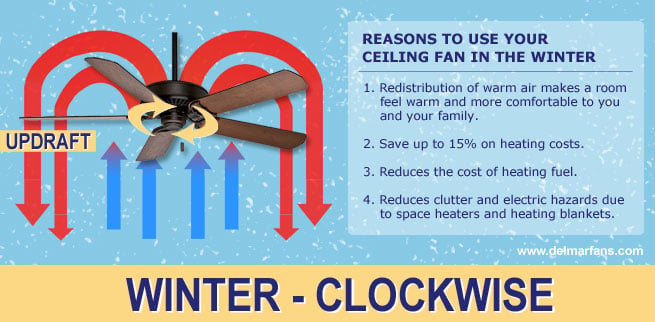
- Lower Heating Bills: By circulating the warm air, you might not have to crank up the thermostat as high. This can translate to real savings on your energy bill! Think of all the hot cocoa you can buy with the money you save!
- More Even Heat Distribution: No more freezing feet while your head feels like it's in a sauna! A reverse-spinning fan helps to even out the temperature throughout the room.
- Less Drafty Feeling: Because you're not blasting air directly down, you're less likely to feel that uncomfortable, drafty sensation.
Fan Speed: Less is More
Let's talk speed. This is crucial! You don't want to put your fan on high speed in the winter. Think of it like this: you're not trying to power-wash your living room with warm air. You just want to gently persuade it to move.
A low or medium speed is generally best. Experiment to find what works best for your room and your fan. The goal is to create a gentle circulation of air without causing a noticeable breeze. If you can feel a strong breeze, your fan is spinning too fast. Turn it down a notch (or two!).
Troubleshooting: Is My Fan Even Working?
Sometimes, even with the fan spinning in reverse, you might not notice a huge difference right away. This could be due to several factors:

- Poor Insulation: If your home isn't well-insulated, you'll lose heat quickly, regardless of what your fan is doing.
- High Ceilings: Rooms with very high ceilings might require a larger fan or a slightly higher speed to effectively circulate the air.
- Old Fan: An older fan might not be as efficient as a newer model.
But don't give up! Even a small improvement in heat distribution can make a difference in your comfort and your energy bills.
The Bottom Line
So, there you have it! Reversing your ceiling fan in the winter is a simple, often overlooked trick that can help you stay warmer, save money, and create a more comfortable living space. Why not give it a try? What do you have to lose (besides a few cold toes)?
Happy spinning! And stay warm out there!