
What Direction Should Ceiling Fan Go In Winter
Hey there, cozy humans! Ever wondered if your ceiling fan is just a summer fling? Think again! It’s got a whole other season in its heart, and we're here to unlock its winter potential. We're diving into the age-old question: What direction should your ceiling fan spin in winter? Sounds simple, right? But the answer is surprisingly cool.
Seriously, though, who knew a ceiling fan could be so…multi-faceted?
The Summer Spin: A Refreshing Blast
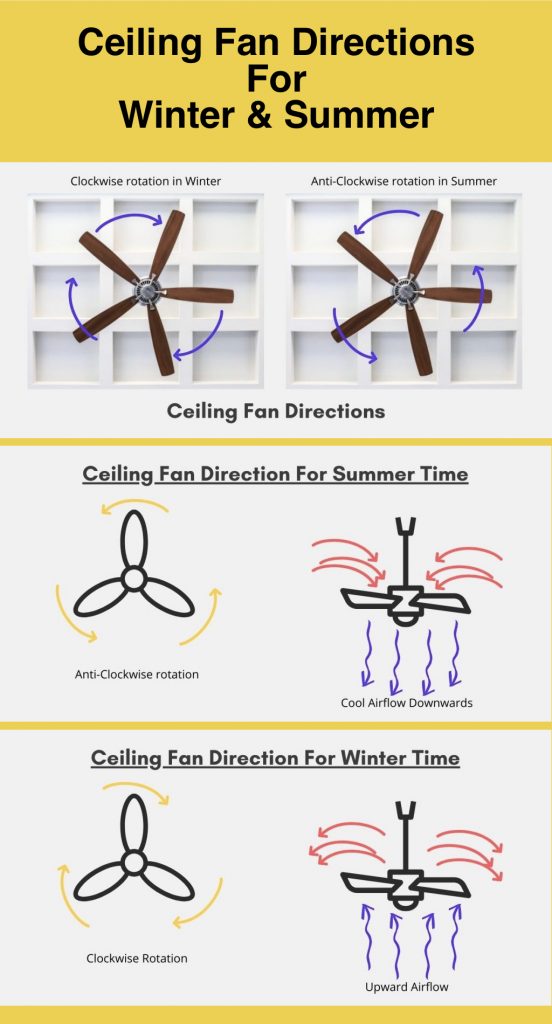
Let's quickly recap summer mode. You know the drill: blades spinning counter-clockwise (when you're looking up at the fan). This creates a lovely downdraft, making you feel cooler. Think of it like standing in front of a gentle waterfall – refreshing, right? It’s all about that direct breeze. That downdraft actually evaporates moisture from your skin, which helps you feel cooler. Pretty neat trick, huh?
Must Read
Winter is Coming… and Your Fan Needs to Change
Okay, so summer is great. But what happens when Jack Frost comes nipping at your nose? Do you just abandon your trusty fan to gather dust? Absolutely not! That's where the magic of reverse comes in.
Think of your ceiling fan like a seasoned traveler. It’s seen hot summers and chilly winters, and it’s learned to adapt! But instead of packing a different suitcase, it just needs a little switch-a-roo on its rotation.
The Winter Wonder: A Gentle Warmth
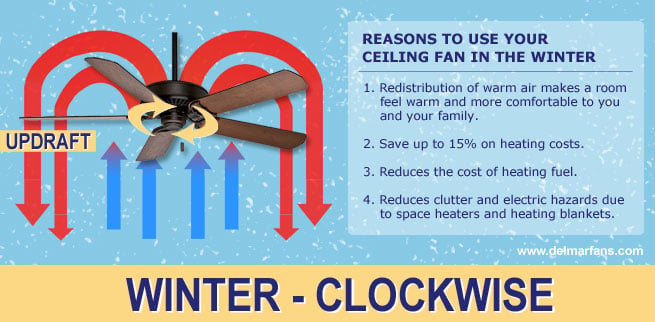
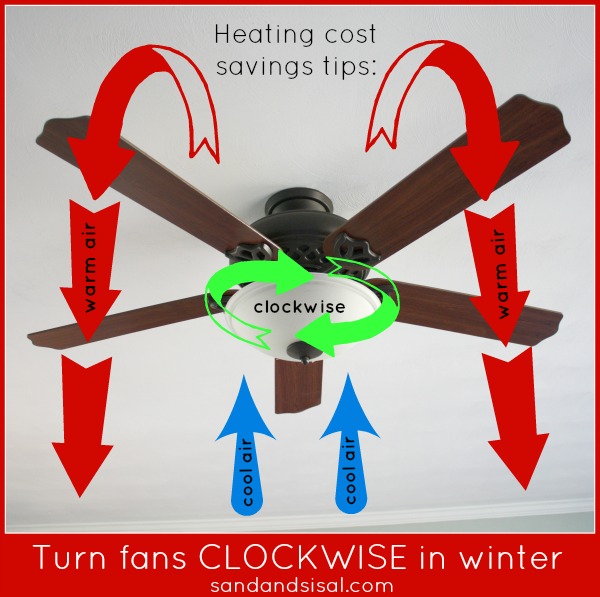
Here’s the key: in winter, you want your ceiling fan to spin clockwise (again, when viewed from below). This creates an updraft. Why is this important? Well, hot air rises. We all know that, right? So, your heating system is working hard to warm the air in your room, but that lovely warm air is naturally drifting upwards, congregating near the ceiling, leaving you shivering down below.
Enter: your ceiling fan, spinning clockwise like a tiny, helpful helicopter. It gently pushes that warm air back down into the room, redistributing the heat and creating a more even temperature. No more cold feet while your head is roasting!

It's not about creating a strong breeze like in the summer. Think of it more like a gentle nudge. You're not trying to feel a wind chill; you're simply trying to redistribute the already-warm air that's trapped up high. It's like gently stirring a pot of soup – you're evening out the temperature, not creating a whirlpool!
Why is This So Cool (or Warm, Actually)?
This is cool (or warm!) for a few reasons. First, it makes your room more comfortable. No more temperature discrepancies between your head and your toes! Secondly, and perhaps even more importantly, it can save you money on your heating bill. By redistributing the warm air, your heating system doesn't have to work as hard to maintain a comfortable temperature. Less work for your furnace means less energy consumption, and that translates to lower bills. Win-win!
Think of it like this: You're not just heating the ceiling anymore; you're heating the whole room. You're making your heating system work smarter, not harder.

Finding the Reverse Switch
So, how do you actually do this? Most ceiling fans have a small switch located on the motor housing. It might be a slider switch or a button. Check your owner's manual if you're not sure where it is. Flip that switch to reverse the direction, and voila! You're ready to enjoy the cozy benefits of a winter-ready ceiling fan.
And speaking of manuals, don't skip reading them! Each fan model might have specific recommendations for winter settings.
One Last Thought… Experiment!
Don't be afraid to experiment a little! The ideal speed for your ceiling fan in winter will depend on the size of your room and the height of your ceiling. Start with the lowest speed setting and gradually increase it until you find the sweet spot where you can feel the warmth being redistributed without creating a noticeable breeze.
Consider this: It's like finding the perfect spice level in your chili. Too much, and it's overpowering. Too little, and it's bland. You need to find that just right level that makes everything come together perfectly.
So, there you have it! Your ceiling fan isn't just a one-season wonder. With a simple switch, it can become your cozy companion throughout the winter months. So go on, give it a try. You might just be surprised at the difference it makes. Stay warm, friends!