
What Direction Should A Fan Turn In The Winter
Okay, let's talk ceiling fans. We all have them. We all (probably) use them. But are we using them right?
Specifically, are we spinning them the right way in winter? Because I'm about to drop a truth bomb that might ruffle some feathers.
Ready?
Must Read
The Great Winter Fan Debate: An Unpopular Opinion
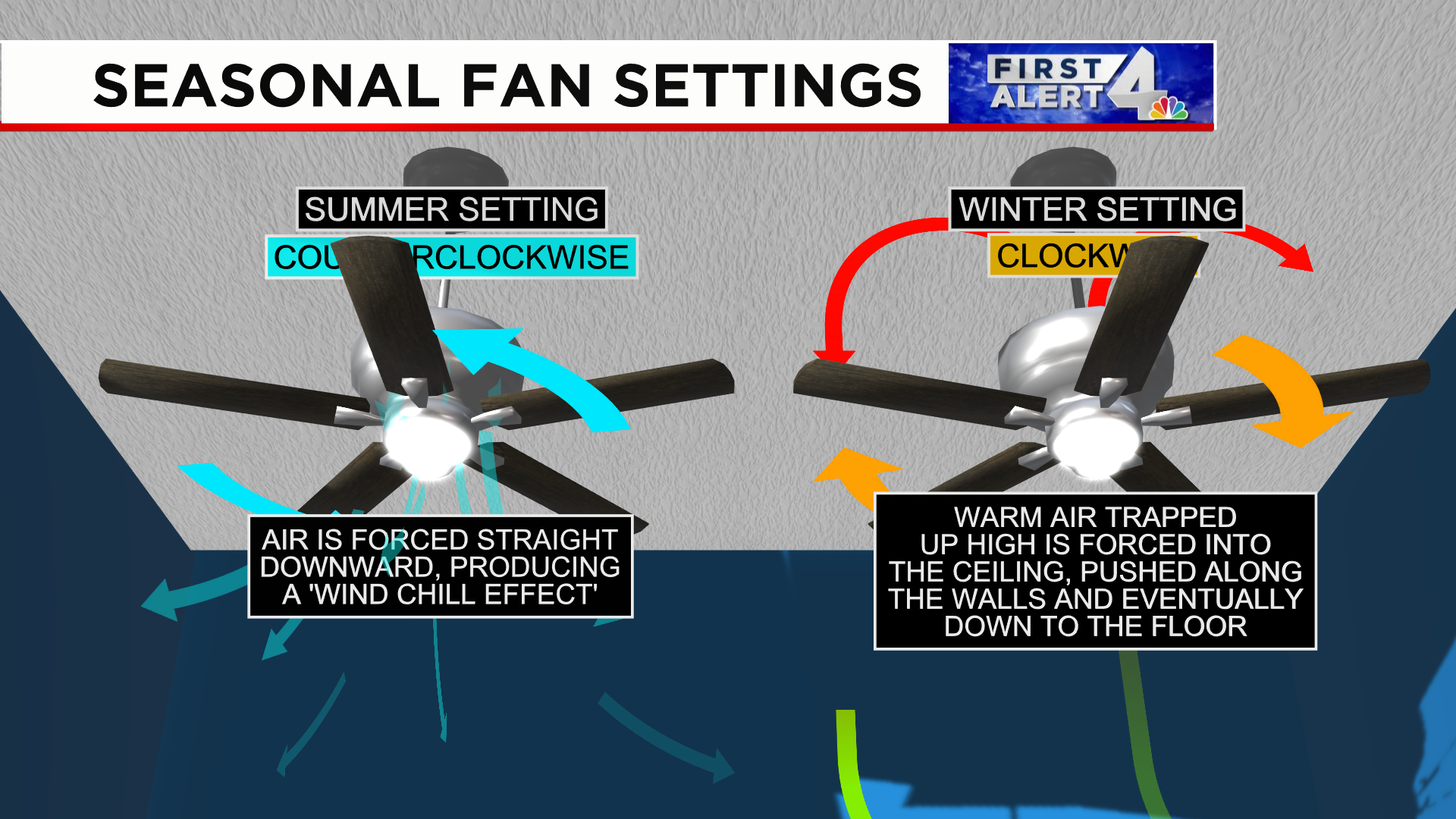
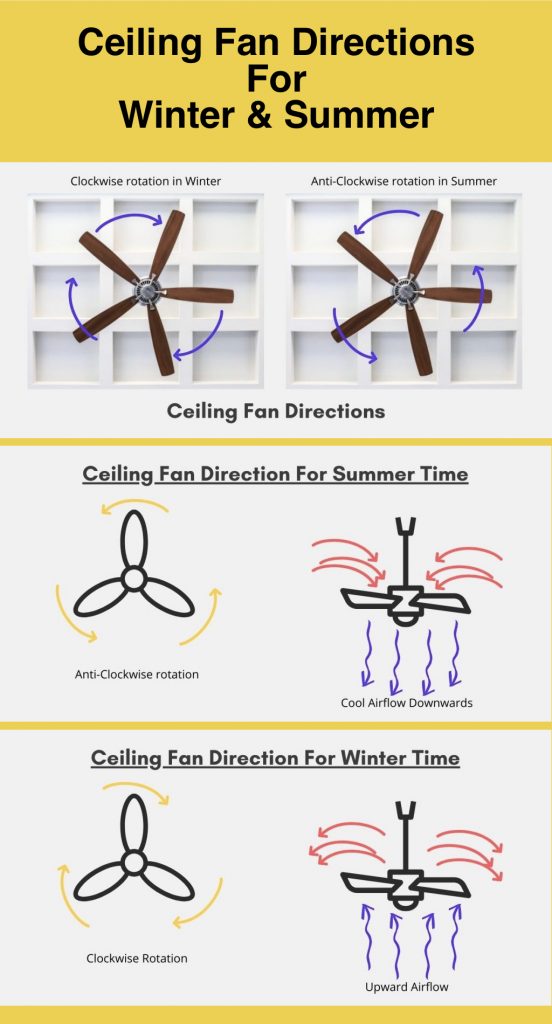
Everyone thinks they know the answer. Counter-clockwise in the summer, clockwise in the winter. That's the gospel, right?
Well, I'm here to tell you... maybe not.
Why the "Experts" Say Clockwise
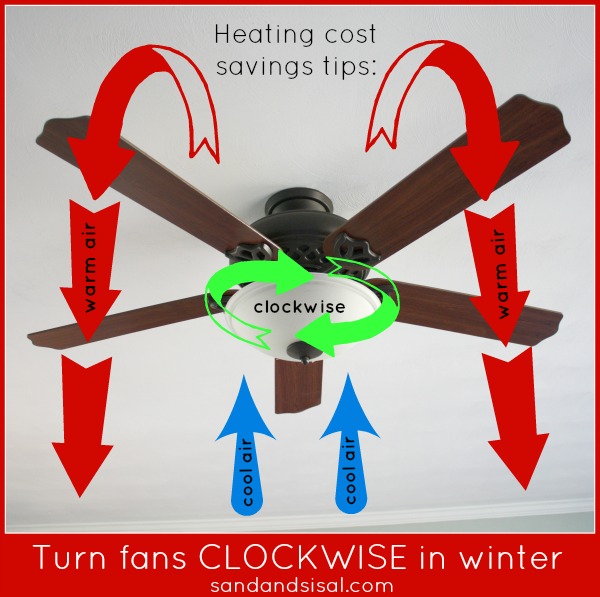
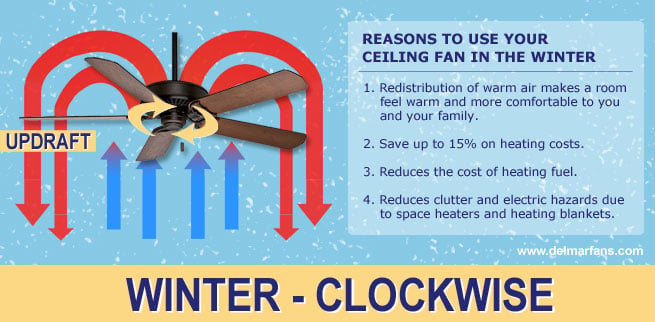
The "experts" (and I use that term loosely, because have you met some of these experts?) say clockwise rotation pushes warm air down from the ceiling.
It's supposed to gently redistribute the heat, making your room feel toasty and save you money on your heating bill.
Sounds great in theory, doesn't it?
My Problem With Clockwise (and Why It's Just...Wrong)
Here's the thing: I've tried it. Repeatedly. For years.
And you know what? I mostly just feel a slight breeze on my head. A slightly warm breeze, sure, but still a breeze. And I hate breezes in the winter!
I'm trying to be cozy, not simulate a lukewarm desert wind.
The Case for Counter-Clockwise, Even in Winter
Now, before you grab your pitchforks, hear me out. I'm not saying abandon the clockwise setting entirely. Maybe it works for some people. Maybe you have a magical fan that defies the laws of physics.
But for the rest of us mere mortals, I propose a radical, yet simple, solution: try it the other way.
That's right. Keep your fan spinning counter-clockwise, even when the snow is falling.
Why Counter-Clockwise Might Actually Be Genius
Think about it. Even in winter, heat rises. That's just science.
So, instead of forcing the warm air down (and creating a faint, unpleasant breeze), why not gently circulate the air that's already there?
A slow, counter-clockwise rotation can help even out the temperature in the room without making you feel like you're standing in front of a low-powered hair dryer.
It's All About Air Circulation, Not a Direct Blast
The key is subtlety. We're not trying to create a wind tunnel. We're aiming for gentle air movement.
A slow, counter-clockwise fan can help prevent those annoying hot and cold spots that plague winter homes.

It's like giving the air a gentle nudge, encouraging it to mix and mingle.
The Psychology of Fan Direction (Yes, Really)
I also suspect there's a psychological component to this. In the summer, we associate the counter-clockwise rotation with coolness. It's a familiar and comforting feeling.
Switching to clockwise in the winter feels...wrong. It disrupts the natural order of things. It's like wearing socks with sandals (don't even get me started on that).
Our brains are wired to associate counter-clockwise with comfort. Why fight it?
Experimentation is Key (But Start With My Way)
Look, I'm not saying I have all the answers. Every house is different. Every fan is different. Every person has a different tolerance for breezes.
The best way to figure out what works for you is to experiment.
But I highly recommend starting with my (correct) method: slow, counter-clockwise rotation, even in the depths of winter.
What About Saving Money?
Ah yes, the age-old question. Will this save me money on my heating bill?
Honestly, I don't know. I haven't conducted a rigorous scientific study. I'm just a person with a fan and a strong opinion.
But I suspect that any energy savings are minimal. The real benefit is increased comfort. And isn't that what we're all after?
The Real Secret: Low and Slow
Regardless of which direction you choose, remember the golden rule of winter fan operation: keep it on low.
You're not trying to cool down the room, you're just trying to circulate the air. A gentle breeze is all you need.
Anything faster and you'll just end up feeling chilly and annoyed.
Embrace the Fan Rebel Within
So, there you have it. My controversial, possibly insane, but ultimately correct opinion on winter fan direction.
I encourage you to question the status quo. To challenge conventional wisdom. To embrace your inner fan rebel.
And most importantly, to find the fan setting that makes you the most comfortable, even if it means going against the grain.
Don't Be Afraid to Be Different
The world needs more independent thinkers. More people who are willing to question everything.
So, go forth and experiment with your fan. Discover the truth for yourself.
And if you happen to agree with me, well, then you're just brilliant.
A Final Word of Warning
One last thing: make sure your fan is securely attached to the ceiling. Nobody wants a wintertime fan avalanche.
Safety first, always!
Now go forth and conquer the winter, one fan blade at a time!
Share Your Thoughts (But Be Nice!)
I'm genuinely curious to hear what you think. Am I completely off my rocker? Or have I stumbled upon a hidden truth?
Let me know in the comments. But please, be gentle. I'm sensitive.
And remember, it's just a fan. Let's not start a war.
Disclaimer: I am not a certified HVAC technician, just a person with strong feelings about ceiling fans. Your mileage may vary. Do not operate heavy machinery while experimenting with fan direction. Side effects may include increased comfort, reduced energy bills (maybe), and the satisfaction of knowing you're right (probably).