
What Direction Does Ceiling Fan Turn For Winter
Ever stood beneath your ceiling fan, contemplating its swirling blades and wondering if it's actually doing anything for you beyond collecting dust? You're not alone! While ceiling fans are often associated with cooling down during scorching summers, they're secretly winter heroes in disguise. The secret weapon? Reversing the direction of those blades! This isn't just some quirky home hack; it's a simple trick that can genuinely make your house warmer and potentially save you money on your heating bill. Let's dive into why and how to make your ceiling fan a winter warrior.
So, what's the big deal with reversing your ceiling fan? In the summer, you want the fan to blow air downward, creating a refreshing breeze. This is usually accomplished with the fan rotating counter-clockwise (when looking up at it). But in winter, the goal is different. Instead of cooling, we want to circulate the warm air that naturally rises and gets trapped near the ceiling. This is where the magic happens.
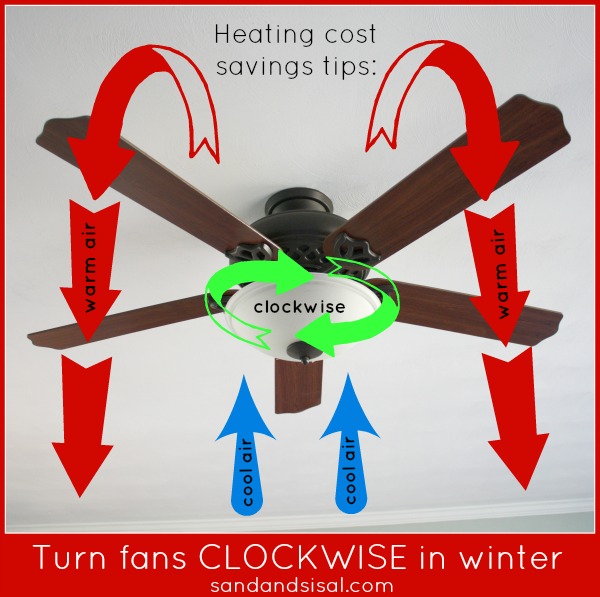
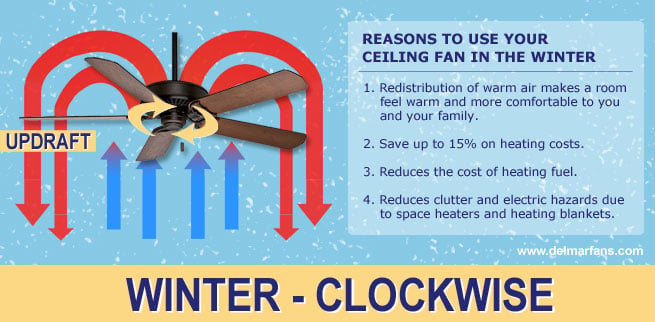
By switching your fan to rotate clockwise (again, when looking up), it gently pulls the cooler air up and pushes the warmer air down along the walls. Think of it as a subtle nudge, redistributing the heat throughout the room. You won't feel a strong breeze like you do in the summer. Instead, it's a gentler, more diffuse circulation.
Must Read
The benefits of this simple switch are two-fold. First, it helps to equalize the temperature in your room. No more cold feet while your head is roasting! This creates a more comfortable environment overall. Second, and perhaps more importantly, it can reduce your heating costs. By effectively circulating the warm air, your furnace doesn't have to work as hard to maintain a comfortable temperature. Over time, this can translate into significant savings on your energy bill.
Making the switch is usually pretty straightforward. Most ceiling fans have a small switch located on the motor housing. It's often a simple up/down or left/right toggle. Always turn off the fan completely before flipping the switch! Once you've made the change, observe the fan's direction to ensure it's rotating clockwise. If not, flip the switch again.
While reversing your ceiling fan is a great way to improve your home's warmth and efficiency in the winter, it's important to remember that it's not a miracle cure. If your home is poorly insulated, the impact might be less noticeable. However, even a slight improvement in temperature distribution can make a difference in your comfort and energy consumption. So, this winter, give your ceiling fan a new job! It's a simple, cost-effective way to stay warm and cozy without breaking the bank. Consider it your secret weapon against the winter chill – and a clever way to keep those energy bills in check!

![Ceiling Fan Directions for Summer vs Winter [Infographic]](https://airflowacademy.com/wp-content/uploads/2021/06/Ceiling-fan-directions-infographic-768x1425.jpg)
![Ceiling Fan Directions for Summer vs Winter [Infographic]](https://airflowacademy.com/wp-content/uploads/2021/06/Ceiling-fan-direction.jpg)