
What Direction Does A Fan Need To Go To Cool
Okay, let's talk fans. Not the screaming-at-a-concert kind (though those can generate some serious heat, ironically!), but the kind that’s supposed to keep you from melting into a puddle of despair on a hot summer day. Ever wondered which way your fan really needs to be pointing to do its job right? You're not alone!
We've all been there, blasting a fan directly at our face, hoping for a miracle, and feeling… well, only slightly less sticky. So, what's the deal? Let's break it down in a way that’s easier than assembling that dreaded IKEA furniture.
The Secret is Evaporation: Not Just Blowing Air
Here's the thing: fans don’t actually cool the air itself (unless you’re talking about an air conditioner, which is a whole different ballgame). What a fan does is speed up the process of evaporation. Think of it like this: You’ve just stepped out of the shower, and even though the bathroom might be warm, you feel a chill, right? That's because the water on your skin is evaporating, and that process takes heat away from your body.
Must Read
Your sweat works the same way. It's your body's natural cooling system. The fan helps that sweat evaporate faster, which, in turn, makes you feel cooler. So, the direction matters because you want to maximize this evaporation effect.
Imagine you’re trying to dry your clothes on a clothesline. Would you just leave them hanging there on a still day, or would you prefer a nice, breezy day to get the job done faster? The breeze – or, in our case, the fan – helps whisk away the moisture.
So, Which Way Should My Fan Be Pointing?
Generally speaking, the most effective way to use a fan is to point it directly at yourself. Sounds obvious, right? But here's why it's so important: You want that airflow hitting your skin, encouraging that lovely evaporative cooling we just talked about.
Think of it like this: you're the star of the show, and the fan is your personal wind machine. Direct the spotlight (or, you know, the breeze) right at the star!
Now, this isn’t a hard and fast rule. There are some nuances, and it depends on the situation. Let's explore a few.
The Room Temperature Factor
If the room itself is hotter than your body temperature, a fan might not actually feel that great. Why? Because you're essentially blowing hot air around. In this scenario, you might want to consider other cooling strategies like finding a cooler room, taking a cold shower, or even just draping a wet towel around your neck.

Think of it like trying to cool down soup by blowing on it with… more hot air. It's not going to work! You need cooler air to lower the temperature.
Windows: In or Out? That is the Question!
Another thing to consider is the location of your windows. If it’s cooler outside than inside (like in the evenings or early mornings), you can use your fan to help circulate the cooler air. Place the fan facing outwards in a window to exhaust hot air. Then, open a window on the opposite side of the room to create a cross-breeze, pulling in the cooler air.
It's like a natural air conditioning system! You're using the fan to help Mother Nature do her thing.
![Ceiling Fan Directions for Summer vs Winter [Infographic]](https://airflowacademy.com/wp-content/uploads/2021/06/ceiling-fan-direction-for-summer.jpg)
Ceiling Fans: A Different Approach
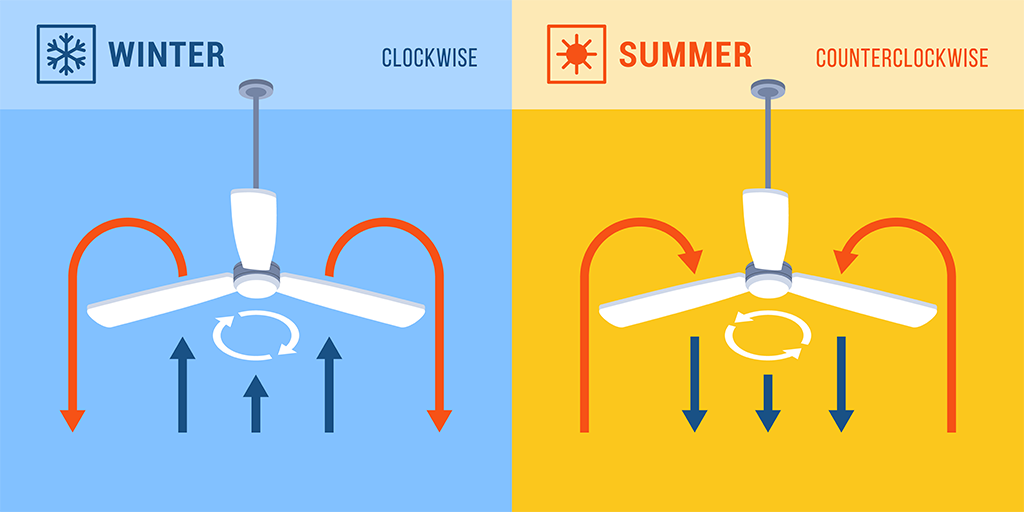
Ceiling fans are a bit different. They usually have a switch that changes the direction of the blades. During the summer, you want the blades to rotate counter-clockwise (when looking up at the fan). This pushes the air downwards, creating a cooling breeze.
In the winter, you can switch the direction to clockwise. This pulls the air upwards, which helps to distribute warm air that rises to the ceiling. It's like having a two-in-one climate control system!
Don’t Forget Humidity!
High humidity can also throw a wrench in the works. If the air is already saturated with moisture, your sweat won't evaporate as easily, and the fan won't be as effective. This is why a dehumidifier can be a lifesaver in humid climates.

Think of it like trying to dry a towel on a rainy day. It's going to take forever!
Why You Should Care (Beyond Comfort!)
Okay, so maybe you're thinking, "It's just a fan! Why should I even bother?" Well, proper fan usage isn't just about being comfortable. It can also help you save money on your energy bill by reducing your reliance on air conditioning. And, more importantly, it can help you stay safe and prevent heatstroke during those sweltering summer months.
So, next time you're reaching for that fan, take a moment to think about direction, temperature, and humidity. Your body will thank you for it!
Now go forth and conquer the heat, armed with your newfound fan knowledge!