What Difference Between Hurricane And Typhoon
Ever wondered what's brewing out there in the vast ocean? Or maybe you've heard news reports about powerful storms and found yourself a bit confused by the different names they use. Hurricane, typhoon, cyclone – are they all the same thing? Well, you're in for a treat! We're about to unravel the mystery of hurricanes and typhoons (and cyclones, too, for good measure!) in a way that's both fun and informative.
Why should you care? Because understanding these storms isn't just about impressing your friends at the next trivia night. Knowing the basics can actually help you understand weather reports, prepare for potential emergencies if you live in a susceptible area, and appreciate the sheer power (and complexities) of nature. It's all about being informed and prepared! Plus, it's just plain fascinating!
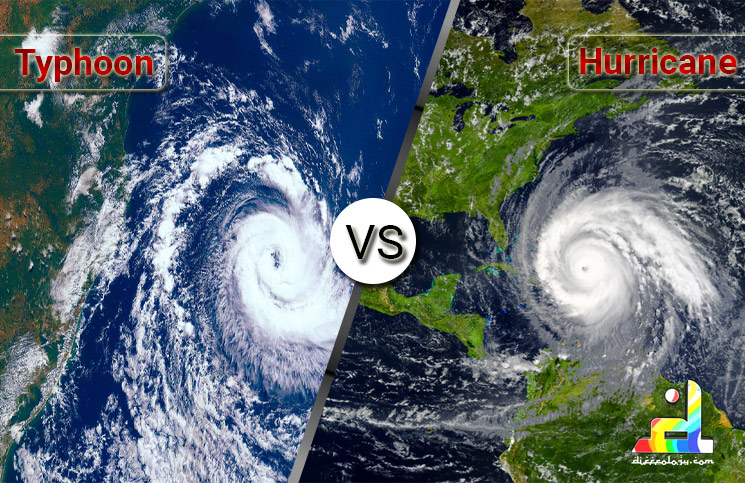
So, what's the big secret? Here it is: a hurricane, a typhoon, and a cyclone are all the same type of storm! Mind blown, right? They are all tropical cyclones – rotating, organized systems of clouds and thunderstorms that originate over warm tropical waters. The only difference is where they occur.
Must Read
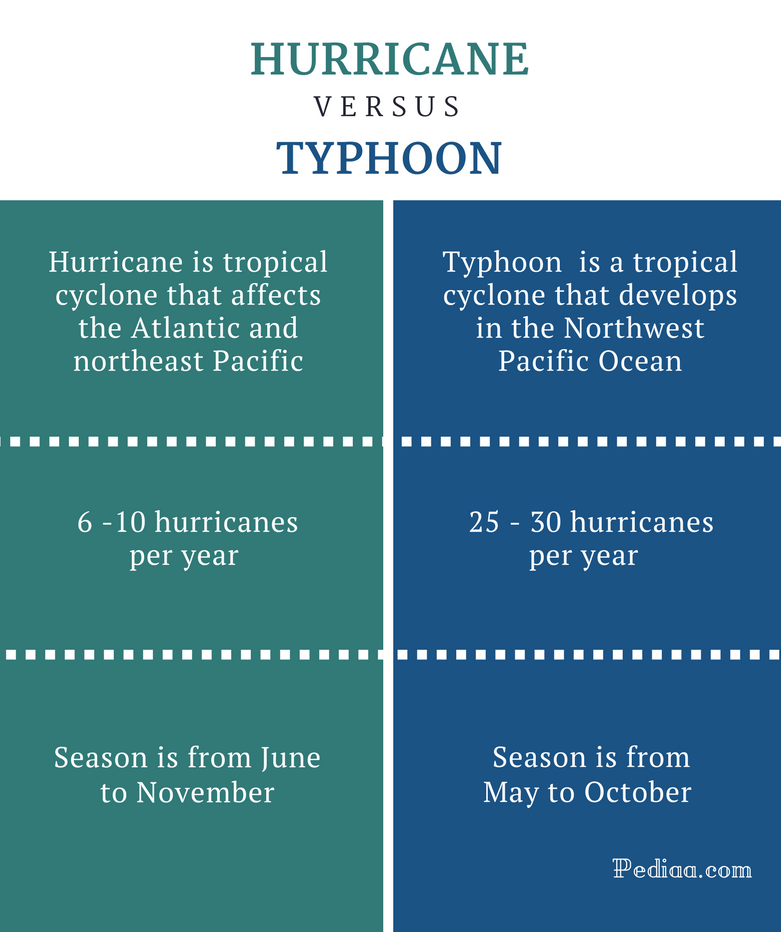
Think of it like this: it's all about location, location, location! A tropical cyclone is called a hurricane in the North Atlantic Ocean, the Central North Pacific Ocean, and the Eastern North Pacific Ocean. So, if a massive storm is brewing off the coast of Florida or Mexico, you're likely hearing about a hurricane.
Now, scoot on over to the Northwest Pacific Ocean, and that same type of storm is called a typhoon. Think places like Japan, the Philippines, and China. If a news anchor is talking about a powerful storm heading towards Tokyo, chances are they're describing a typhoon.

And finally, in the South Pacific Ocean and the Indian Ocean, they're called cyclones. This includes areas like Australia, India, and Madagascar. So, if you're hearing about a storm impacting Mumbai, it's likely a cyclone.
To recap: same storm, different names depending on the ocean. Simple as that! The purpose of having these different names is primarily for regional identification and communication. It helps local authorities and residents quickly understand the location and potential impact of these powerful weather systems.

Understanding this difference can empower you to better interpret weather reports and emergency alerts. You'll know immediately what region is being affected and can better assess any potential risks, especially if you have friends or family in those areas. Being informed is the first step to being prepared and staying safe.
So, the next time you hear about a hurricane, typhoon, or cyclone, remember: they're all powerful tropical cyclones, just hanging out in different parts of the world! Now you're a tropical cyclone expert – go impress your friends!