What Creates Dust In A House
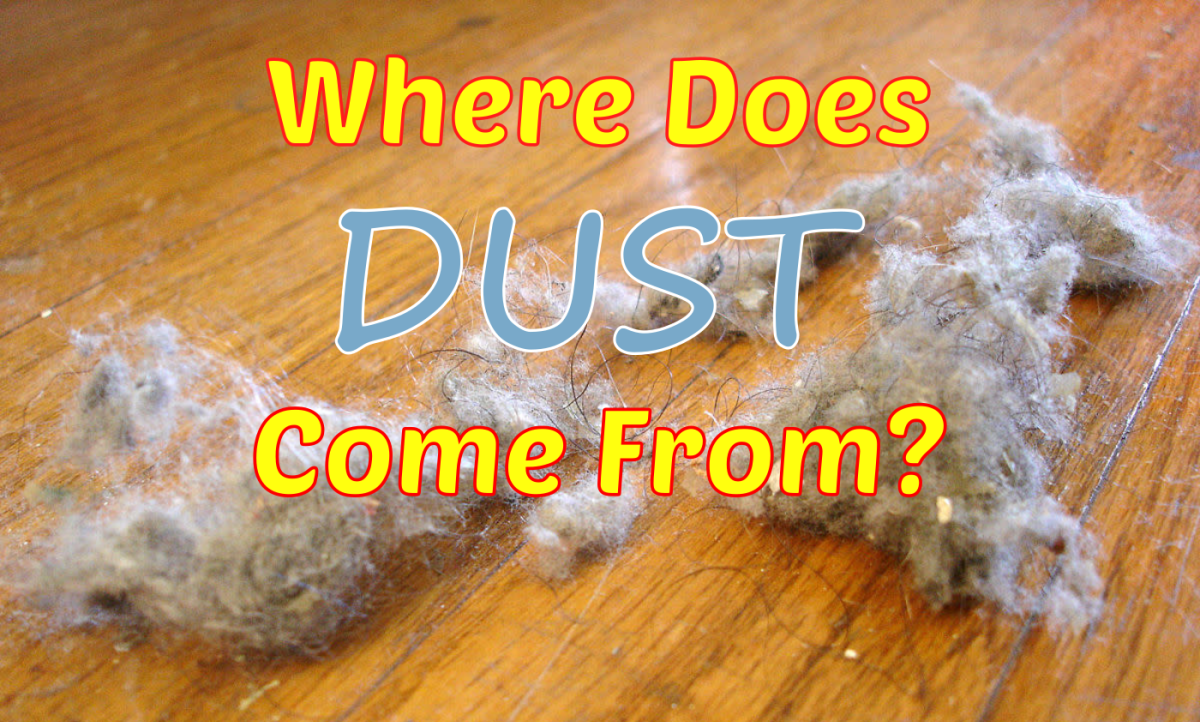
Ah, dust. It’s the uninvited, never-leaving houseguest that reappears as soon as you turn your back, no matter how diligently you sweep, wipe, or vacuum. But instead of seeing it as a relentless chore, have you ever paused to wonder, with a relaxed sense of curiosity, what exactly is this mysterious fluff that congregates in corners and dances in sunbeams? Where does it keep coming from? Let's embark on a mini-investigation right in your living room!
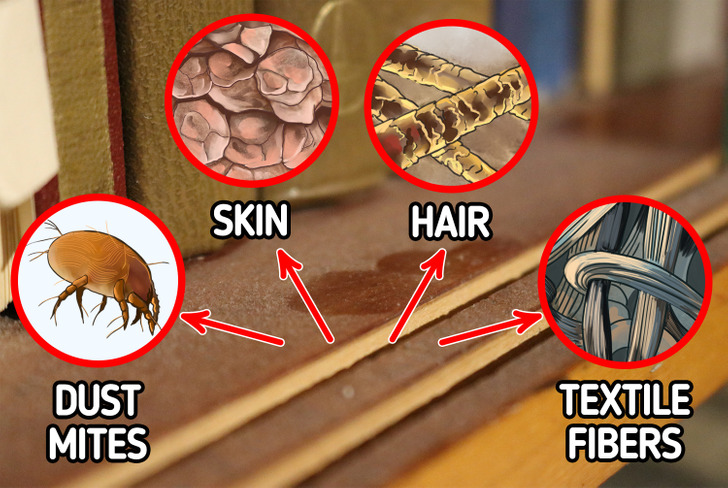
Understanding the origins of dust isn't just about satisfying a curious mind; it offers some surprisingly practical benefits. For starters, knowing its components helps us tackle it more effectively. It's not just about aesthetics; it’s about breathing easier. Dust is a notorious carrier of various allergens – think pollen, pet dander, mold spores, and even dust mite droppings. So, by getting to know your dust, you’re better equipped to create a healthier, more comfortable indoor environment, especially for those with allergies or respiratory sensitivities. It's about taking a more informed approach to the air quality inside your home, transforming a mundane task into a thoughtful act of home care.
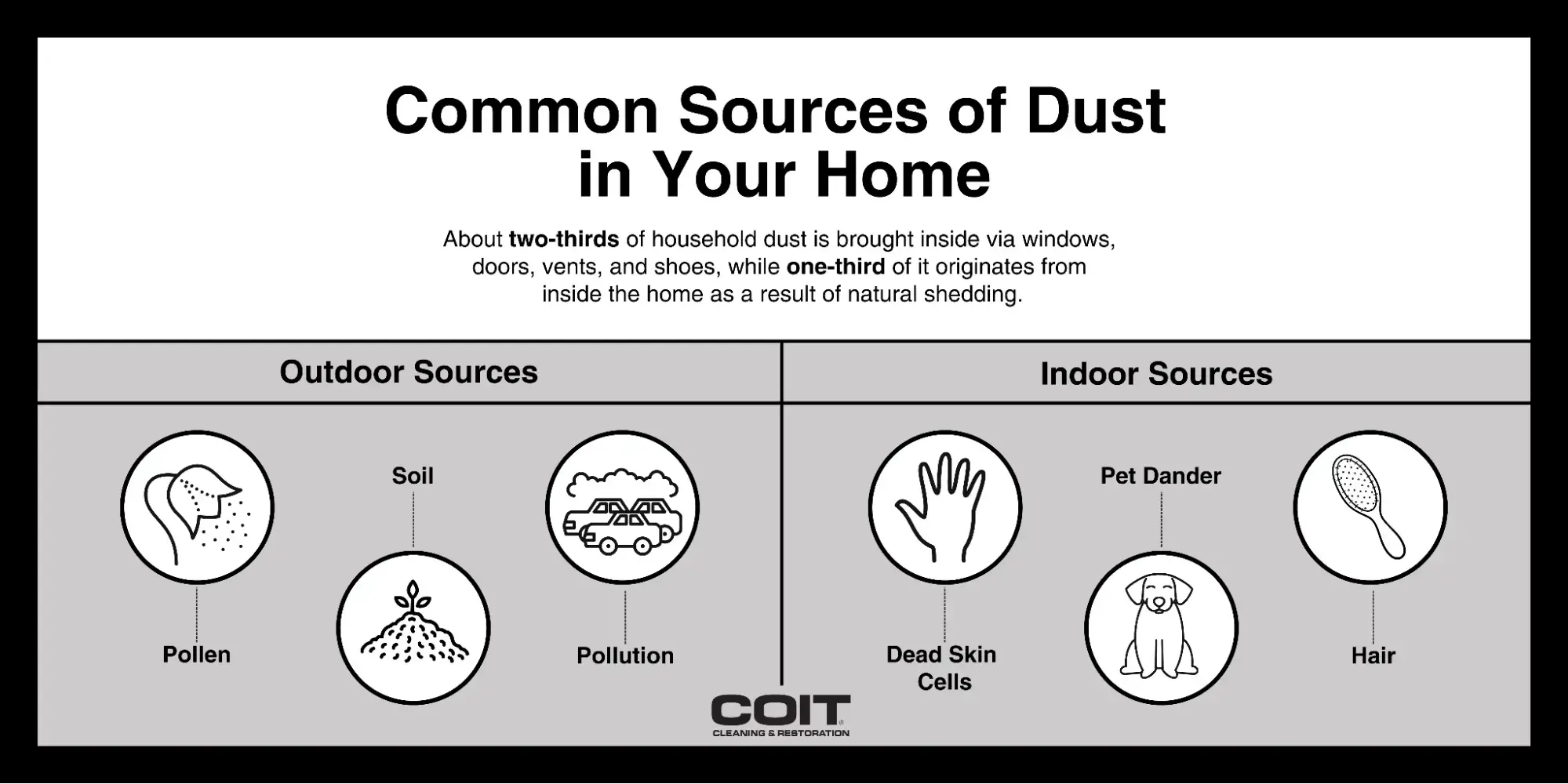
So, what’s actually in that fuzzy collection? You might be surprised by the incredible diversity! Believe it or not, a huge chunk of your household dust comes directly from you. Every day, humans shed millions of tiny dead skin cells – microscopic flakes that become part of the dust ecosystem. Add to that countless strands of hair, and tiny fibers released from your clothes, bedding, towels, and furniture. If you have pets, their dander (skin flakes) and fur are also major contributors, floating through the air before settling.
Must Read
But the story doesn't end with us and our furry friends. A significant portion of dust arrives from the outside world, a constant reminder of our connection to everything beyond our walls. Pollen, tiny soil particles tracked in on shoes, industrial pollutants, and even microscopic bits of leaves or insects float in through open windows and doors, or hitch a ride on your clothes. Then there are the household items themselves: carpets, upholstered furniture, paper from books and documents, and even food crumbs all slowly break down over time, releasing their own unique particles into the mix. It's a truly global village, right there on your bookshelf!
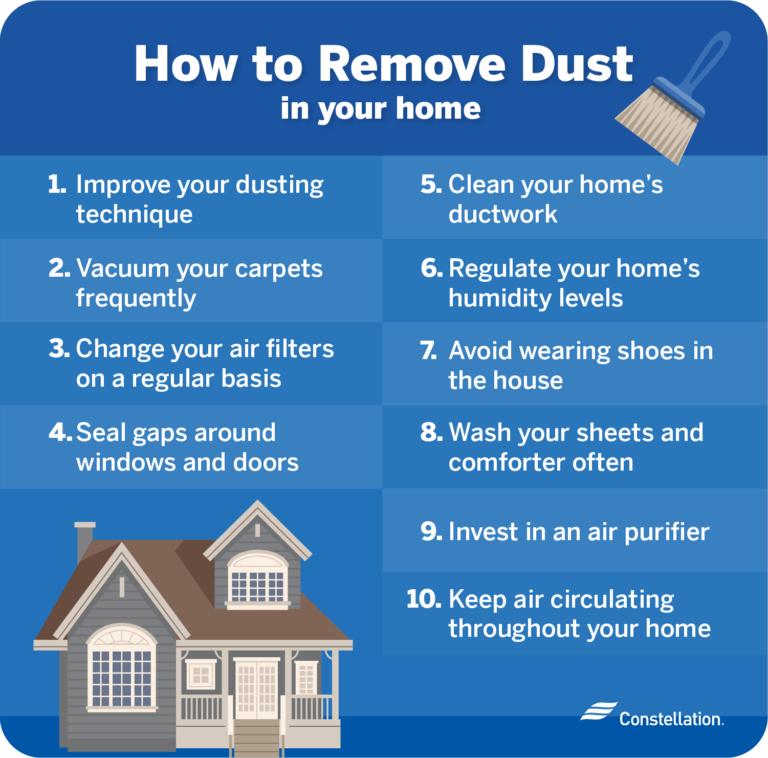
To truly appreciate the wonder (and slightly gross reality) of dust, try a little exploration. Find a sunbeam slicing through a window – those shimmering specks dancing in the light are your very own dust motes, caught in a graceful, albeit slow, ballet. For the more scientifically inclined, carefully collect some dust on a piece of sticky tape and examine it under a magnifying glass or even a cheap kid's microscope. You might be amazed by the diverse 'ingredients' you find! Practically speaking, knowing dust’s origins means we can be smarter about managing it. Regular dusting with a damp cloth is key, as it traps particles rather than just swirling them around. Vacuuming with a HEPA filter can capture finer particles more effectively. Washing bedding frequently, wiping down surfaces, and even considering indoor plants or air purifiers can make a difference. It's less about eliminating dust entirely – an impossible dream! – and more about understanding and coexisting with this fundamental, fascinating part of our indoor ecosystem.