
What Creates An Electric Current In A Battery
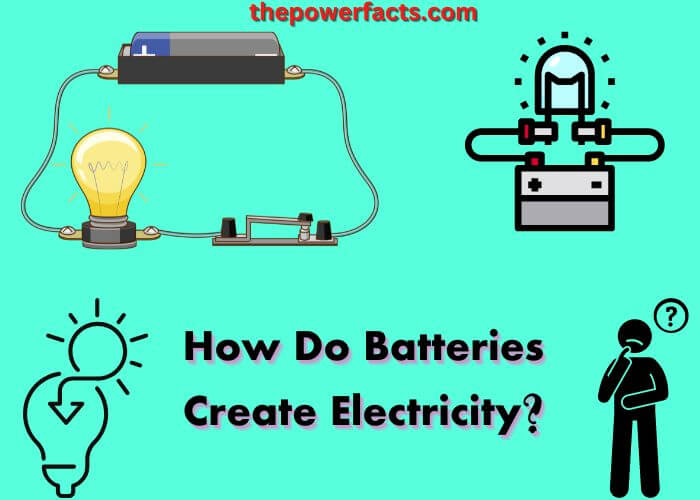
Ever wonder what makes that little battery in your remote control powerful enough to change the channel from that questionable reality show your roommate loves to, say, a documentary about penguins? It's all thanks to a clever little dance of electrons inside the battery that creates an electric current. Let's break it down in a way that even your pet goldfish could (almost) understand.
Think of a battery like a tiny, meticulously organized dating service for electrons. No, really! It has two terminals – a positive (+) and a negative (-) terminal. Inside, you've got different materials that are just itching to react with each other. But they need a little encouragement – a path to connect the dating hopefuls.
The Chemical "Spark"
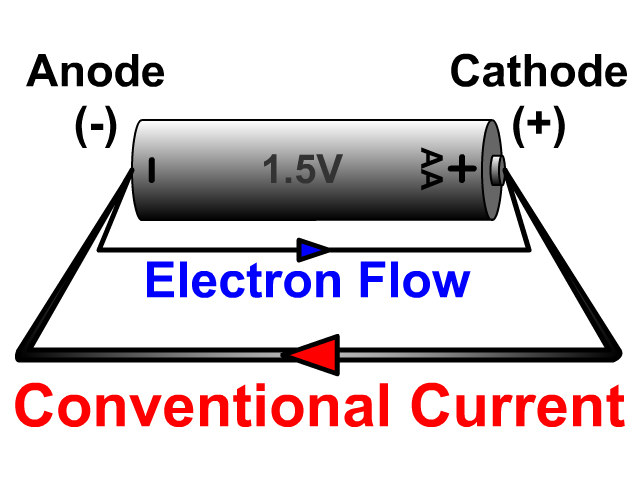
The magic starts with chemistry. Inside the battery, there are chemicals designed to react. This reaction isn't a big explosion (thank goodness!), but rather a controlled process that releases electrons. The key is that one material wants to give up electrons (oxidation), and the other wants to receive them (reduction). Think of it like one friend who’s always eager to lend you money (electrons) and another who’s always happy to borrow!
Must Read
For instance, in a typical AA battery, you might have zinc reacting at the negative terminal, happily ditching its electrons. These electrons then want to get to the positive terminal (often made of manganese dioxide), which is ready and waiting to receive them. But they can’t just magically teleport!
Building the Electron Highway
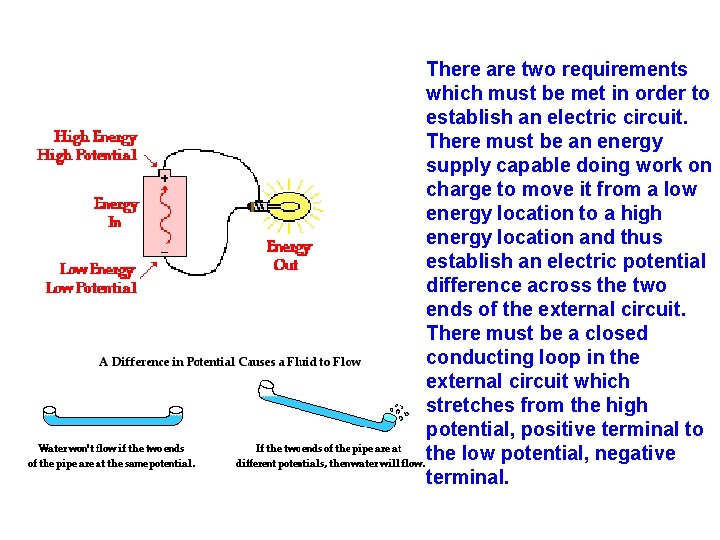
This is where the circuit comes in. When you connect a battery to a device – your remote, a flashlight, a toy car – you create a pathway, a literal highway, for the electrons to travel. This pathway is usually made of metal wire, which is a great conductor – meaning electrons can move through it easily.
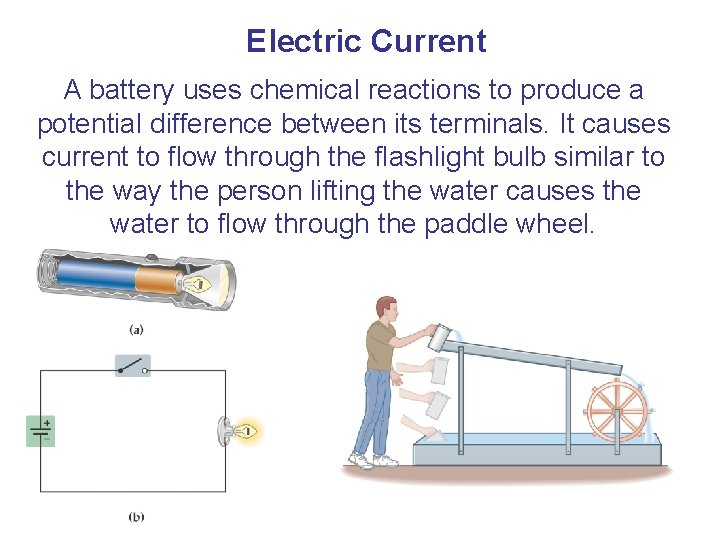
Imagine it like a crowded concert. The electrons are all trying to get from the back (the negative terminal) to the stage (the positive terminal). The wire provides the aisle they can move through. When the aisle is clear, everyone can move freely. If something blocks the aisle (like a broken wire or a turned-off switch), the flow stops.
The Current Craze
The electric current is simply the flow of these electrons through the circuit. The more electrons flowing, the stronger the current. It's like the difference between a trickle of water and a rushing river. A stronger current can power bigger, more demanding devices.

It’s not about how fast the individual electrons are moving (they actually move quite slowly!). It's about how many of them are moving at the same time. Think of it like pushing a row of dominoes. The individual dominoes don’t move very far, but the effect – the chain reaction – is what matters. Similarly, the ‘push’ of one electron sets off the ‘push’ of the next, creating the current.
Why Should You Care?
Okay, so you know how a battery works at a basic level. But why should you actually care? Because understanding this simple principle unlocks a whole new world! It explains why your phone needs charging, why some devices need bigger batteries than others, and why turning off lights saves energy.
Think about it: every time you use a battery-powered device, you're harnessing the power of a carefully controlled chemical reaction. You're using the flow of electrons to light up your world (literally!). Understanding where that power comes from can help you make smarter choices about energy consumption and appreciate the technology that makes modern life so convenient.
Plus, knowing this stuff makes you sound really smart at parties. Next time someone complains about their phone battery dying, you can casually drop some knowledge about oxidation-reduction reactions and electron flow. Instant conversation starter! (Disclaimer: Results may vary. Use responsibly.)
So, the next time you pop a battery into something, take a moment to appreciate the tiny world of chemistry and electron flow that’s making it all happen. It's a pretty electrifying concept, wouldn't you say?
Bonus fun fact: Batteries don't "store" electricity. They store the potential to create electricity. The electricity is only created when you complete the circuit!
One last analogy to leave you thinking: A battery is like a water tower (potential energy). The water flowing out of the tower and through your pipes is like the electrical current. The higher the tower, the more pressure (voltage) you get!