What Conditions Are Required For A Hurricane To Form
Okay, so hurricanes! Those swirling, super-powered weather systems that can, let's be honest, totally ruin a vacation (or, you know, an entire city). Ever wonder what it actually takes for one of these bad boys to even start brewing? Let's dive in!
First things first: you need warm water. Like, REALLY warm. We’re talking at least 80°F (around 27°C) warm. Think bathtub temperature, but, uh, on a scale that could swallow Rhode Island whole. Seriously, without this, you’re basically just staring at a regular, grumpy raincloud. Where does this warm water come from? The tropics, baby! That's why hurricanes love hanging out near the equator. It's like their personal hot tub. Who are we to judge?
Why the warm water, though? Good question! The warm water evaporates (fancy science word for "turns into vapor, like steam"). This creates a LOT of humid, moist air, which is the fuel that hurricanes run on. It's like giving them a super-sized energy drink, only, you know, way more destructive.
Must Read
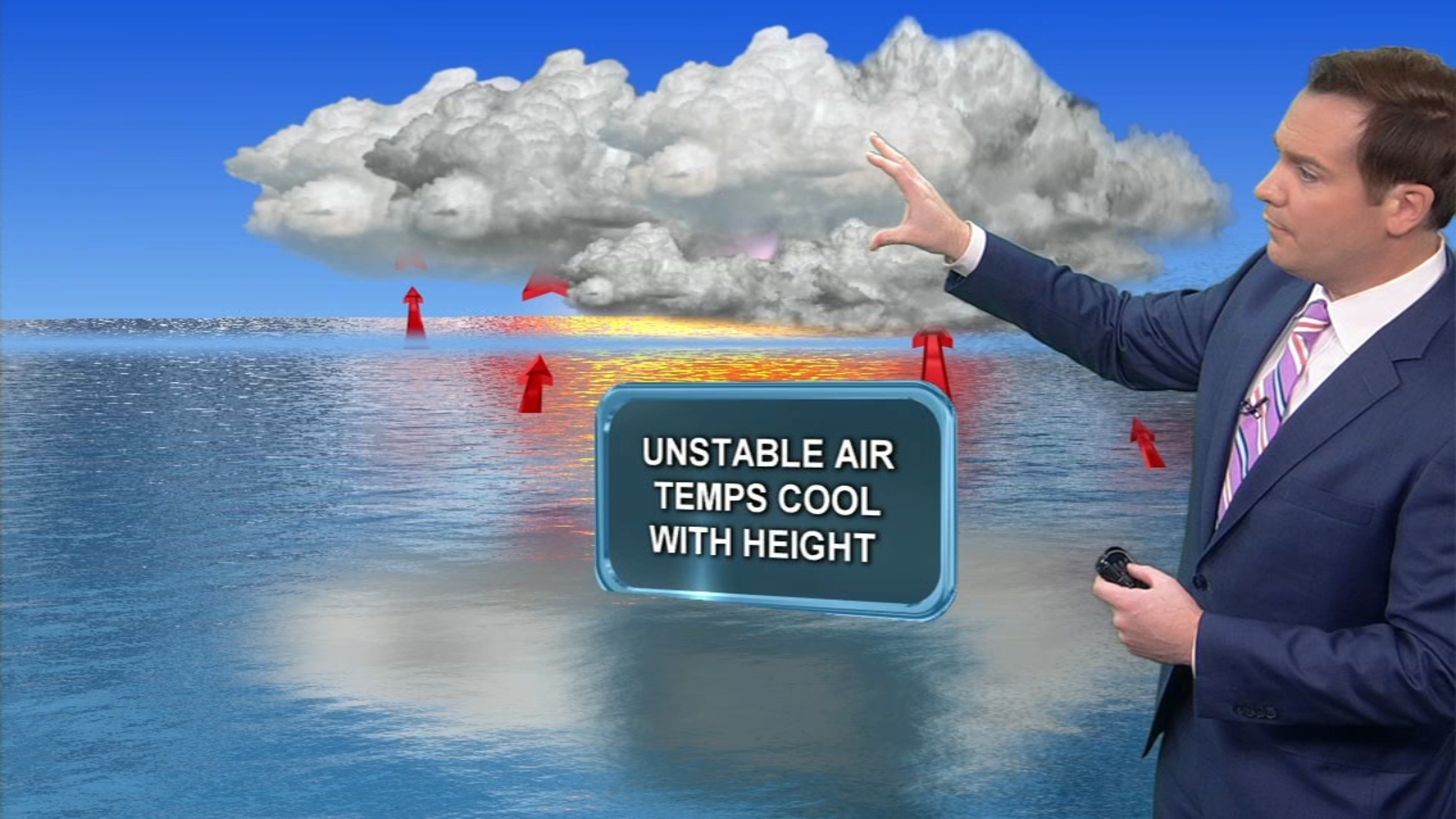
Next up, we need some atmospheric instability. Okay, that sounds intimidating, right? Don't worry! All it means is that warm, moist air near the surface wants to rise. Think of it like a hot air balloon, but instead of a basket full of tourists, it's carrying a colossal amount of water vapor. The warmer the air, the more it wants to go up, up, UP!
And as the warm, moist air rises, it cools and condenses (more science words!), forming clouds. Lots and lots of clouds. And when water vapor condenses, it releases heat – latent heat, to be exact. This heat warms the air around the cloud, making it even more buoyant and causing it to rise even faster. It’s a positive feedback loop! A very positive feedback loop, at least for the hurricane. Not so positive for, say, coastal homeowners.

Now for the slightly tricky part: Coriolis effect. What in the world is the Coriolis effect? It’s all about the Earth spinning. Seriously. Because the Earth is rotating, moving objects (like air) get deflected to the right in the Northern Hemisphere and to the left in the Southern Hemisphere. It's kind of like throwing a ball on a merry-go-round; it doesn't go straight!
Why is this important for hurricanes? Well, without the Coriolis effect, all that rising air would just zoom straight up. The Coriolis effect causes the air to rotate, creating that characteristic swirling motion we associate with hurricanes. The closer you are to the equator, the weaker the Coriolis effect, which is why hurricanes rarely form right on the equator. Physics, man! It’s weird.

And finally, you need low vertical wind shear. What the heck is that? Wind shear is the change in wind speed and direction with height. High wind shear is bad news for hurricanes because it can tear them apart. Imagine a tall stack of pancakes. Low wind shear is like carefully carrying that stack, while high wind shear is like someone whacking it with a baseball bat. Messy! Hurricanes like calm conditions in the upper atmosphere.
So, to recap, for a hurricane to form, you need:
- Super warm ocean water (at least 80°F)
- Atmospheric instability (warm, moist air that wants to rise)
- Enough distance from the equator to get that Coriolis effect going.
- Low vertical wind shear (calm upper atmosphere).
Put all those ingredients together, and you've got yourself a recipe for a hurricane. Delicious? Definitely not. Powerful and awe-inspiring? Absolutely. Just remember to stay safe and listen to your local weather folks when one of these monsters decides to pay a visit. Stay informed, and stay dry!
And hey, maybe consider investing in a really, really good umbrella.