
What Conditions Are Necessary For A Hurricane To Form
So, you want to know how to conjure up a hurricane? Just kidding! (Mostly.) But seriously, these swirling storms are a real force of nature.
We all know hurricanes are powerful and destructive. But what ingredients do we need to actually make one? Let's dive in.
Warm Water: The Hurricane's Hot Tub
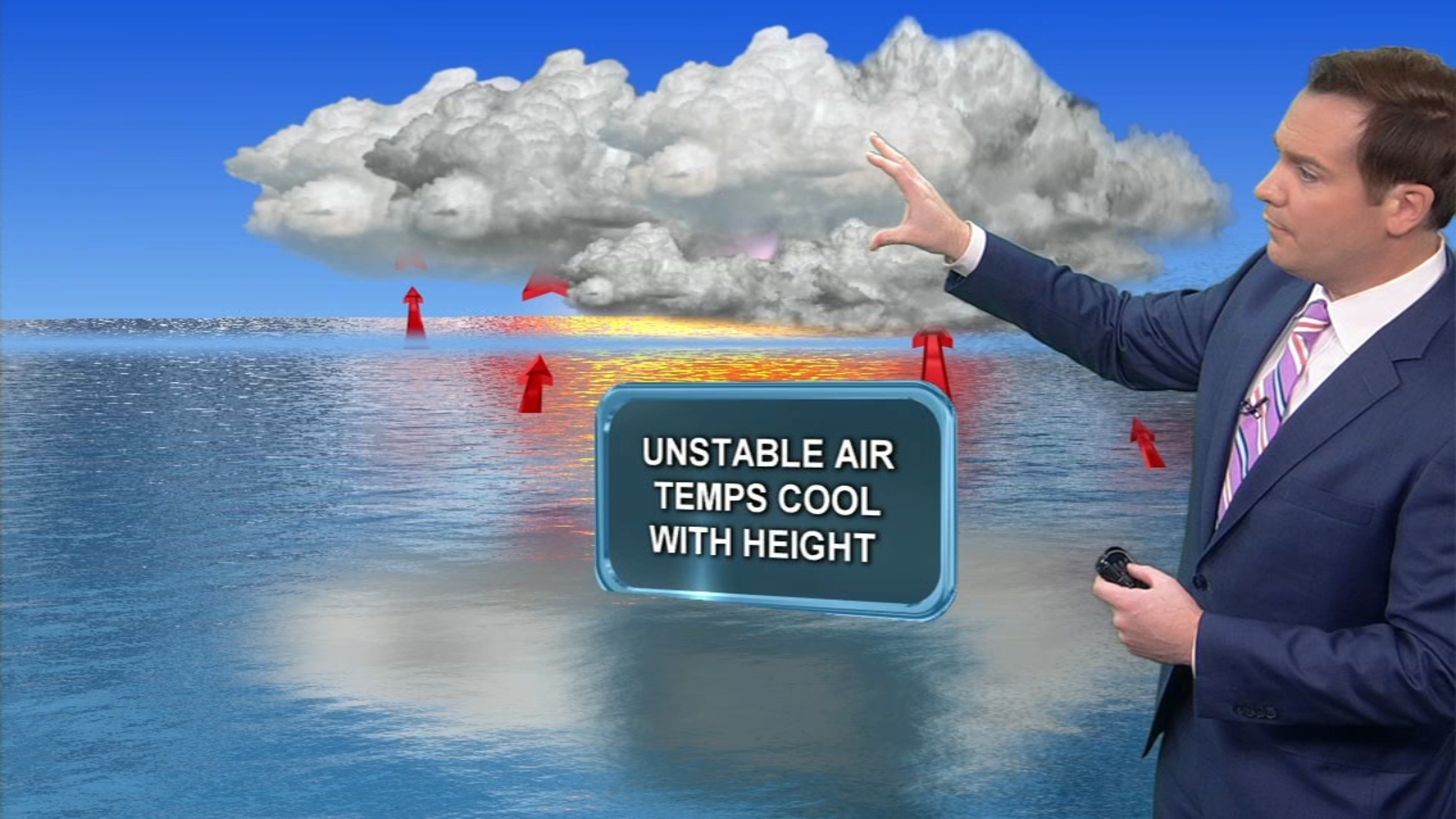
First, you absolutely, positively need warm water. Think of it as the hurricane's comfy, warm bath. This isn't just any lukewarm puddle, mind you.
Must Read
We're talking about ocean water that's at least 80 degrees Fahrenheit (27 degrees Celsius). That's bathwater territory! Any cooler, and the hurricane just won't get out of bed.
Why so warm? Because warm water is like hurricane rocket fuel. It provides the moisture and energy the storm needs to get going and keep going.
Unpopular opinion: I think hurricanes are just jealous they can't enjoy a nice spa day all the time.
Low Wind Shear: Keeping Things Smooth
Next up: low wind shear. Imagine trying to build a sandcastle on a windy beach. It’s tough, right?
Wind shear is like that gust of wind, but higher up in the atmosphere. It's the difference in wind speed and direction at different altitudes.
Too much wind shear and it tears the hurricane apart. The storm needs a calm and consistent environment to organize itself. Think zen garden, not mosh pit.
Seriously, wind shear is the buzzkill of the hurricane party. Nobody wants that.
Moist Air: Hurricane's Hydration Station
Gotta have moist air. Think of it like the hurricane's hydration station. All that swirling needs something to keep it going.
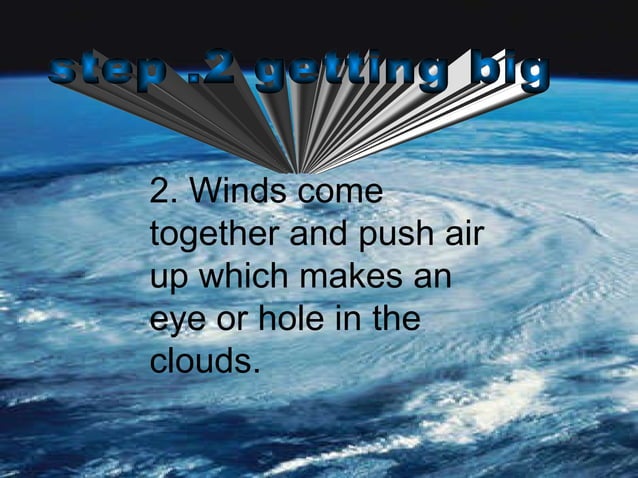
Dry air is the enemy! It starves the storm of the moisture it needs to thrive. Imagine trying to run a marathon in the desert.
The more moisture in the air, the better the hurricane can develop and maintain its strength. So, think swampy, humid, and delightfully… hurricane-y?
Unpopular opinion: Maybe hurricanes are just really thirsty.
A Pre-Existing Disturbance: A Little Nudge
Every hurricane starts somewhere. Usually, it's with a little pre-existing weather disturbance. Think of it as the tiny spark that ignites the whole fire.
This could be a tropical wave rolling off the coast of Africa, or a leftover bit of a cold front. Just a little something to get the air spinning.
These disturbances provide a starting point for the hurricane to organize and intensify. It's like giving the storm a little push in the right direction.
Think of it as the hurricane's origin story. Every superhero has one, right?
Coriolis Effect: The Spin Doctor
Now for the tricky part: the Coriolis effect. It's a fancy term for something pretty simple. This is caused by the earth rotating.
Because the Earth is spinning, moving air gets deflected to the right in the Northern Hemisphere and to the left in the Southern Hemisphere.
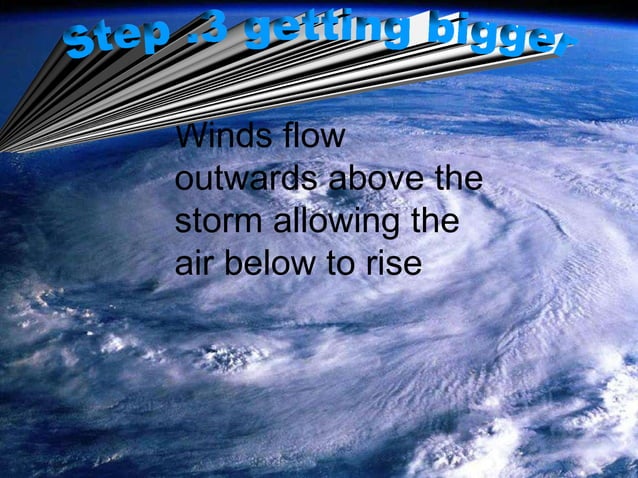
This deflection is what causes hurricanes to spin. Without the Coriolis effect, the air would just rush straight into the center of the low-pressure area. No spin, no hurricane.
Unpopular opinion: The Coriolis effect sounds like a really cool dance move.
A Location, Location, Location!
Not all locations are hurricane-friendly. You need to be far enough away from the Equator so the Coriolis Effect can work.
Hurricanes almost never form within about 5 degrees of the Equator. There's not enough of the Coriolis force to get the air spinning.
So you need a good area with warm water, moist air, and a little pre-existing disturbance, all happening away from the equator.
The right place at the right time! Just like finding the perfect parking spot.
Putting It All Together: Hurricane Assembly Required
So, there you have it! Warm water, low wind shear, moist air, a pre-existing disturbance, and the Coriolis effect.
Combine all these ingredients, and you've got yourself a potential hurricane. But remember, nature is a complex thing. It's not always this simple.
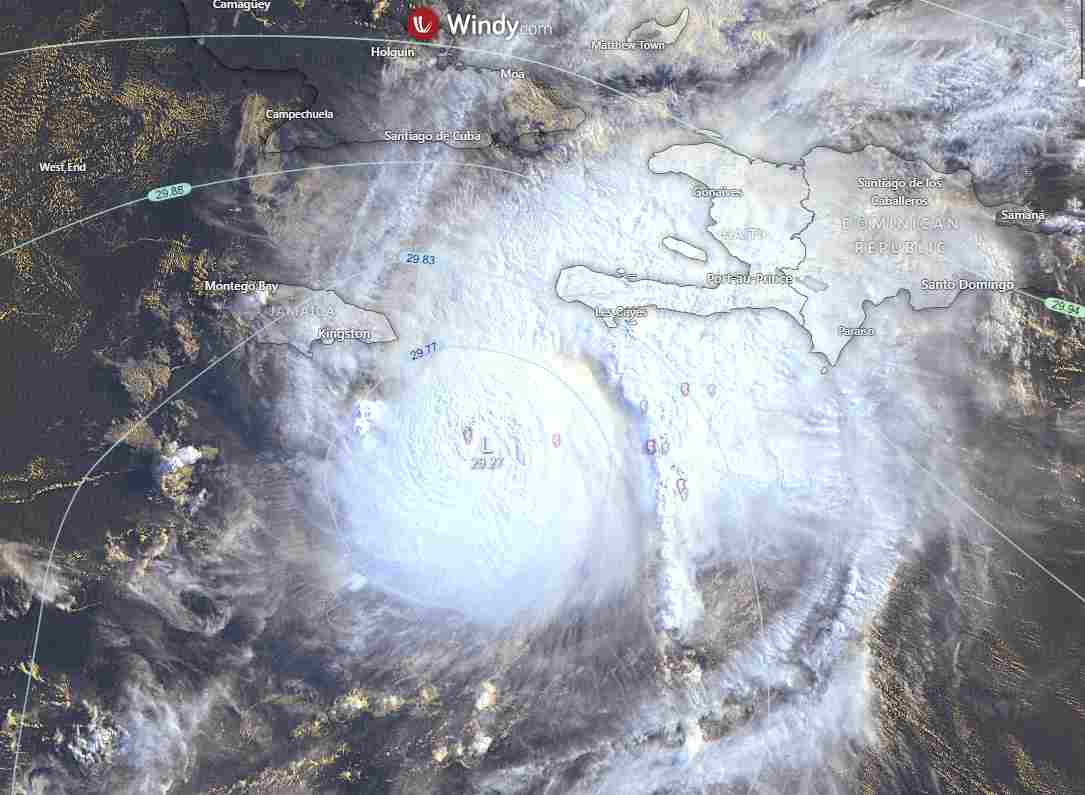
Even with all the right conditions, a storm might fizzle out. Or it might explode into a monster hurricane. It’s a gamble, like baking a soufflé.
I think this is like a cosmic recipe. It is very hard to make.
The Unpopular Truth About Hurricane Formation
Here's my unpopular opinion: I think hurricanes are just nature's way of reminding us who's boss.
We build our cities and towns right on the coast, tempting fate. Then we're surprised when a giant storm comes knocking?
Maybe we need to listen a little closer to what Mother Nature is trying to tell us. Or at least invest in some really good flood insurance. Stay safe out there, folks!
Ultimately, we need to respect the weather.
So, Can We Control Hurricanes?
Can we control hurricanes? Sadly, not yet. Despite what you've seen in movies (looking at you, Geostorm), we don't have the technology to steer or weaken these storms.
Trying to control a hurricane would be like trying to herd cats. A very, very powerful and unpredictable bunch of cats.
But we can improve our forecasting and early warning systems. That way, we can give people more time to prepare and evacuate.

Information is the best tool right now.
Respect the Power
The most important takeaway here is to respect the power of these storms. Hurricanes are not something to be taken lightly. They can cause widespread devastation and loss of life.
If you live in a hurricane-prone area, it's crucial to be prepared. Have a plan, know your evacuation route, and listen to local authorities.
And maybe, just maybe, send a little appreciation to the scientists and meteorologists who work tirelessly to keep us safe. They're the real heroes in this story.
Let's give them credit for keeping us safe.
Final Thoughts
So, next time you're lounging on a tropical beach, sipping a fruity drink, remember what it takes to cook up a hurricane. It's a complex recipe with potentially devastating consequences.
Enjoy the sunshine and the warm water. But always keep an eye on the horizon. Nature is beautiful, but it's also powerful and unpredictable.
Now, if you'll excuse me, I'm going to go practice my Coriolis effect dance moves. Just in case.
Be safe and informed. Have fun and stay informed.