
What Causes White Dust In House

Okay, let’s be real for a sec. You know that feeling, right? You spend a perfectly good Saturday morning, sleeves rolled up, Windex in hand, meticulously wiping every surface until your home gleams. You stand back, admiring your handiwork, feeling like a domestic goddess (or god). Then, a mere two days later, you catch a glimpse of your dark coffee table, and there it is: a fine, almost imperceptible film of white dust. Again. It’s like a tiny, microscopic snowstorm just decided to have a party in your living room without an invitation. And you’re left wondering, “Didn’t I just clean this? Where on earth does it all come from? Is my house haunted by tiny, tidy ghosts who just love to sprinkle powder everywhere?”
Trust me, you’re not alone. This isn't some bizarre personal failing; it’s a universal mystery of modern living. That pesky white dust isn't just generic grime; it often has specific culprits. And understanding what causes it can save your sanity, or at least give you a good reason to invest in a fancy air purifier.
So, What IS This Mystery White Powder?
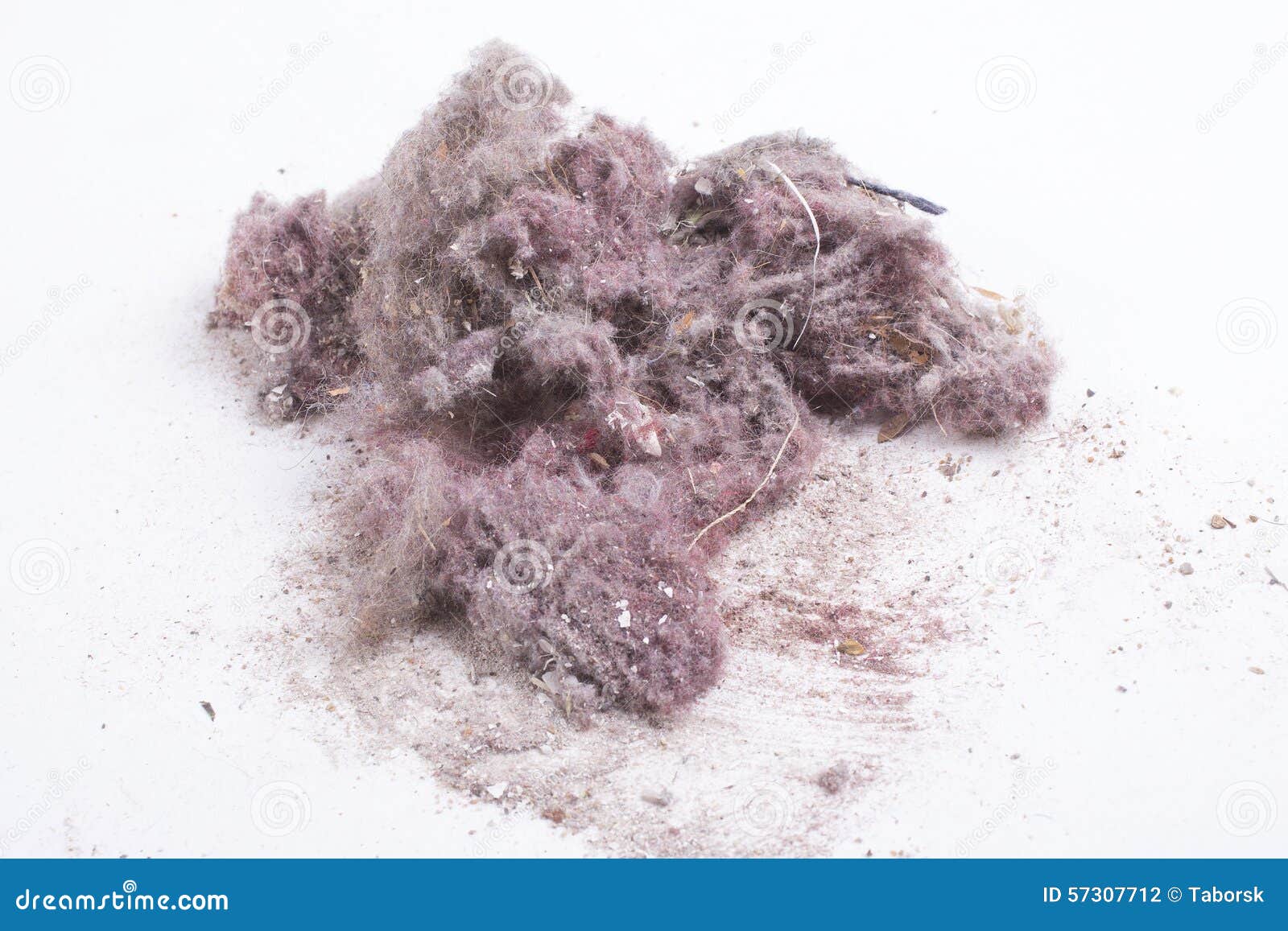
Dust, in general, is a fascinating (and annoying) mix of tiny particles. We’re talking about everything from dead skin cells (sorry, but it’s true – yours and your pets’!), fabric fibers from your clothes and furniture, pollen drifting in from outside, microscopic bits of soil, and even tiny fragments of insects. But when you see a predominant white dust, it often points to a few specific sources. Let's dive into the usual suspects, shall we?
Must Read
The Usual Suspects: Common Causes of White Dust
1. The Humidifier Culprit (A.K.A. Hard Water Havoc)
This is probably the number one cause of widespread white dust, especially if you live in an area with hard water. If you use a cool mist humidifier – the kind that uses ultrasonic vibrations to create a fine mist – and you’re filling it with regular tap water, you’re essentially atomizing tiny minerals into the air. Think calcium and magnesium. When the water evaporates, those mineral particles settle on every surface, creating that tell-tale white film. It’s not dirt; it’s just mineral residue!
Pro Tip: If you suspect your humidifier, switch to distilled water. It’s a game-changer, trust me.

2. Drywall Dust: The Ghost of Renovations Past (and Present)
Ever done a bit of DIY? Hung a new picture? Or perhaps you live in a new build, or an area where neighbors are constantly renovating? Drywall is basically gypsum plaster pressed between sheets of paper. When you cut it, sand it, or even just bang a nail into it, it releases a super fine, white, powdery dust. This stuff can linger in the air and ventilation systems for a surprisingly long time, settling quietly on your furniture.
Even minor scuffs or dents in your walls can release a tiny amount of this dust. It's sneaky!

3. Fabric Fibers, Skin Flakes, and Other 'Organic' Goodies
While not exclusively white, a significant portion of your everyday house dust is made up of lighter-colored organic materials. We're talking about fibers from your carpets, rugs, upholstery, clothes, and even your towels. If you have light-colored fabrics, these shed fibers contribute heavily to the white dust aesthetic. And yes, those lovely dead skin cells we mentioned earlier? They’re usually pale in color too, contributing to the mix. Add in dander from light-furred pets, and you’ve got a recipe for a pale, powdery mess.
Gross, but true. We're all just shedding slowly.

4. Air Filters and HVAC Systems: Friend or Foe?
Your HVAC system and air filters are designed to capture dust. But sometimes, they can contribute to the problem. If your filters are old, clogged, or of poor quality, they might not be catching all the tiny particles, allowing them to circulate and settle. Or, paradoxically, if you've just changed a very dirty filter, you might see a temporary increase in dust as the system gets rid of anything that was loosened.
It's always a good idea to check your filter regularly!
5. Environmental Intruders: Pollen, Pollution & More
Depending on where you live and what time of year it is, a fair bit of that white dust could be from outside. Pollen, especially from certain trees or weeds, can be quite pale. General atmospheric dust, tiny particulate matter from pollution, or even fine sand from nearby construction can drift in through open windows or cracks, adding to your indoor snowdrift.
6. The Lesser-Known Offenders (But Still Worth a Mention!)
- Candle Soot: If you burn a lot of white candles, or candles with white wax, the soot they produce can sometimes appear as a very fine, white film.
- Baking Soda: Used it for cleaning recently? A tiny bit can linger.
- Powdered Cleaners: Leftover residue from carpet powders or other dry cleaners can also contribute.
So, What's a Dust-Buster to Do?
First, don’t panic! Now that you’re armed with knowledge, you can tackle the white dust problem more effectively. If you've got a humidifier, try distilled water. Regular, thorough dusting (with a damp cloth to capture the dust, not just move it around) and vacuuming with a good HEPA filter are your best friends. Consider an air purifier, especially if you're sensitive to allergens or live in an older home.
Ultimately, a completely dust-free home is like a unicorn – beautiful in theory, but impossible to achieve. But by understanding the primary culprits of that mysterious white film, you can at least feel a little less like you’re battling invisible, powdered ninjas. Now, go forth and conquer those tiny white particles!