
What Causes Hurricanes To Increase In Strength
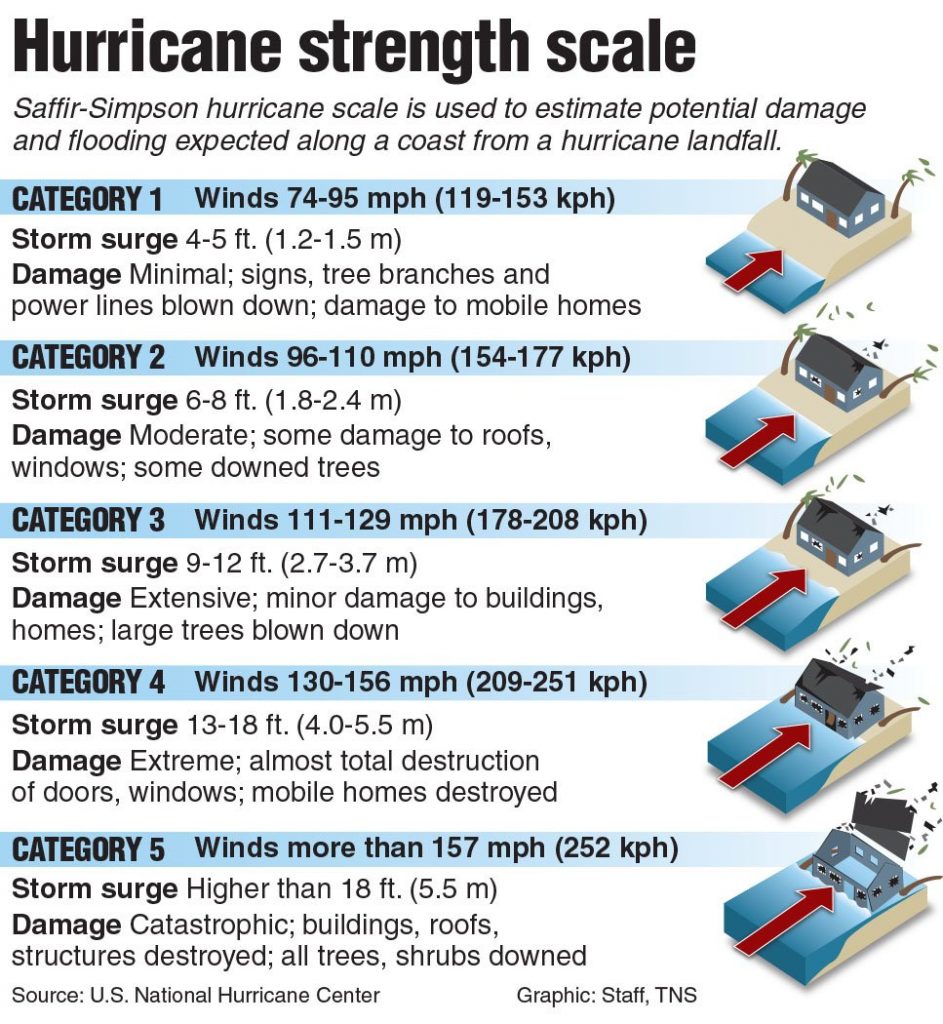
Hey everyone! Ever wondered what makes a hurricane go from a mild tropical storm to a complete powerhouse? It's kind of like watching a little caterpillar transform into a magnificent butterfly...except, you know, with way more wind and rain. Let's dive into the science of hurricane intensification, shall we?
Fueling the Beast: Warm Water is Key
Think of hurricanes like hungry, hungry hippos. What do they crave? Warm water! Specifically, ocean water that's at least 80°F (27°C). Why this temperature? Well, warm water provides the essential ingredient: moisture.
This warm water evaporates and rises. As it rises, it cools and condenses, forming clouds. This condensation releases heat, which, in turn, makes the air rise even faster. It's a self-reinforcing cycle – like a runaway train gaining speed downhill!
Must Read
Imagine it like this: you're trying to bake a cake, but without the oven being hot enough, the cake won't rise. The warm water acts as the oven, providing the energy needed for the hurricane to 'bake' into something much bigger.
Spinning into Control: Coriolis Effect and Wind Shear
Okay, so warm water is the fuel, but what about the engine? This is where the Coriolis effect comes in. Now, don't let the name scare you. It's just a fancy term for how the Earth's rotation deflects moving objects (like air) to the right in the Northern Hemisphere and to the left in the Southern Hemisphere.

This deflection causes the air rushing towards the center of the storm to spin, creating the characteristic swirling shape of a hurricane. Think of it like water swirling down a drain – the Coriolis effect gives it that initial nudge to get it spinning. Pretty neat, right?
But there's also a force that can slam the brakes on hurricane intensification: wind shear. What exactly is it? It's a change in wind speed or direction with altitude. Imagine trying to spin a top, but someone keeps hitting it from the side – it's going to be a lot harder to keep it spinning smoothly, right?
High wind shear can tear a hurricane apart, disrupting its structure and preventing it from strengthening. So, calm winds at higher altitudes are crucial for a hurricane to really ramp up.

Atmospheric Conditions: A Helping Hand (or a Hindrance)
Beyond water temperature and wind shear, other atmospheric factors play a significant role. A moist mid-level atmosphere is essential. Think of it like this: a dry atmosphere will suck up the moisture from the storm, weakening it. So, a humid atmosphere allows the hurricane to thrive and grow.
Furthermore, a stable atmosphere suppresses thunderstorms. For a hurricane to form, there must be unstable atmosphere that allows thunderstorms to grow into towering cumulonimbus clouds, which is essential for a hurricane to grow.

Another factor is the presence of an upper-level divergence. This allows the air near the surface to go up. Without this, the rising air due to the hurricane would have nowhere to go, and would stop the hurricane from growing.
Climate Change: Tipping the Scales?
Now, here's where things get a bit more serious. Are hurricanes getting stronger because of climate change? The short answer is: it's complicated, but the evidence increasingly suggests yes. As global temperatures rise, ocean temperatures are also increasing. This means more of that warm water fuel for hurricanes!
Furthermore, a warmer atmosphere can hold more moisture, leading to heavier rainfall during these storms. It's like giving the hurricane a supercharged engine and a bigger gas tank all at once.
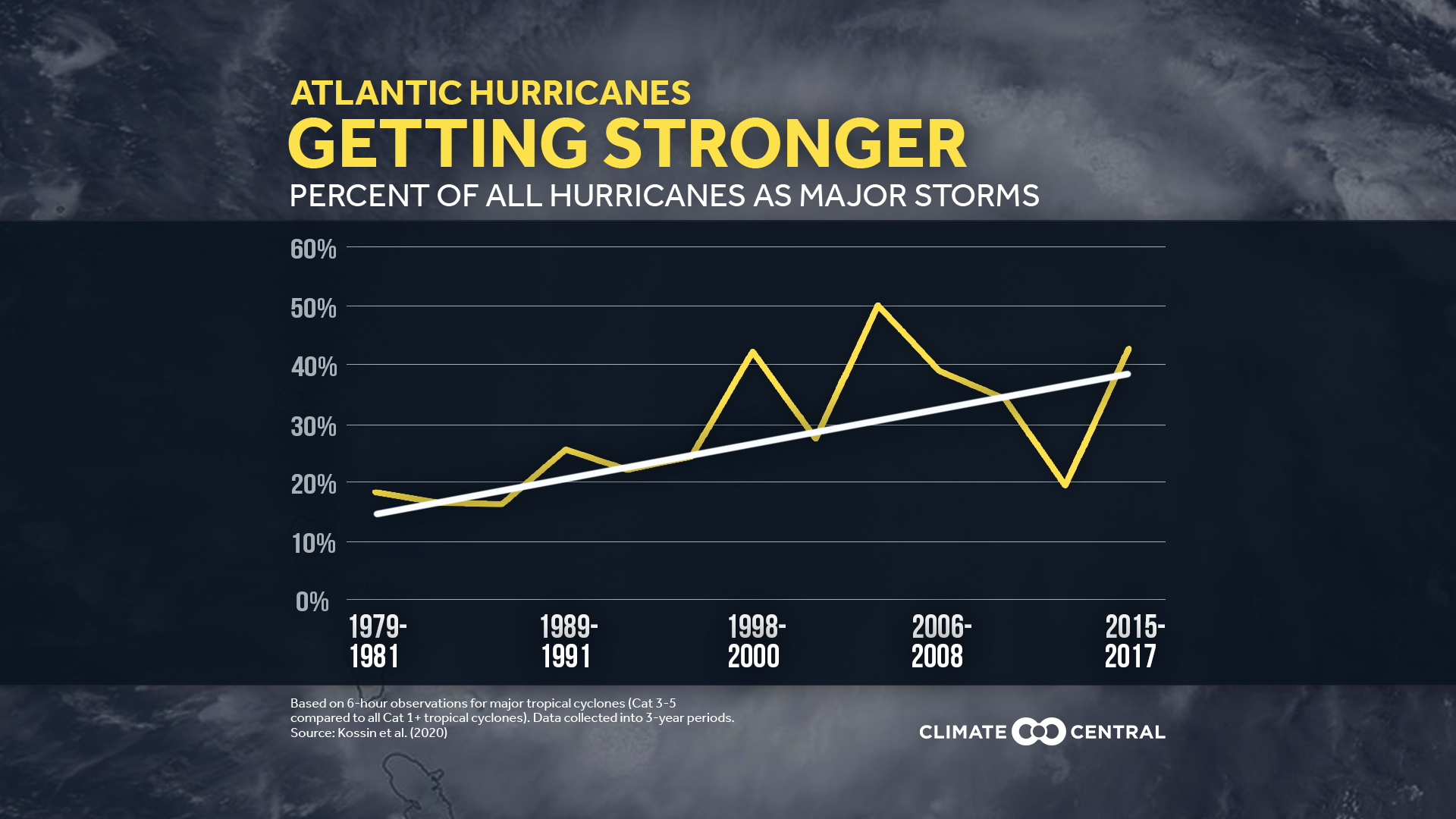
Scientists are still actively researching the exact link between climate change and hurricane intensity, but the trends are concerning. While not every hurricane will be stronger, the potential for more intense and more destructive storms is definitely increasing.
The Big Picture: A Complex System
So, what causes hurricanes to increase in strength? It's a complex interplay of factors: warm water, the Coriolis effect, low wind shear, atmospheric conditions, and the potential influence of climate change. It's a fascinating (and sometimes scary) example of how interconnected our planet's systems are.
Understanding these factors helps us predict hurricane intensity and prepare for the impacts. Ultimately, knowing what fuels these powerful storms is the first step in mitigating their devastating effects. Stay safe out there!