
What Causes A Breaker To Get Hot

Alright, let's talk about the silent guardian of your home's electrical system: the humble circuit breaker! Most of the time, it just sits there, looking all stoic and doing its job without a fuss. But sometimes, just sometimes, this little hero starts to feel a bit... toasty. And when a circuit breaker gets hot, it's not just trying to give you a warm hug; it's practically yelling, "Houston, we have a problem!" Let's dive into why your breaker might be throwing a mini heatwave, with a dash of fun and zero sweat (for you, anyway!).
The Breaker's Big Job: Your Home's Electrical Bouncer
Imagine your home's electrical system as a super-exclusive party. Electricity is the stream of excited guests, zipping through wires to power all your fantastic gadgets. Your circuit breaker? That's the super-vigilant bouncer at the door. Its job is to make sure the party doesn't get too wild, that the guest list isn't over capacity, and that everyone behaves. If things get out of hand, it heroically trips, cutting off power to prevent chaos (and potentially, a fire!). So, when it gets hot, it's often a sign that our bouncer is working overtime, or perhaps something shifty is happening on the guest list!
Too Many Party Guests (a.k.a., Overload!)
This is probably the most common reason our breaker buddy starts to feel the burn. Think about it: you've got your microwave humming, the toaster oven browning, the coffee maker brewing, a hairdryer blasting, and maybe even a vacuum cleaner roaring – all plugged into outlets on the same circuit. That's like trying to squeeze twenty burly football players into a tiny phone booth. There's just too much electricity trying to flow through the wires and, crucially, through the breaker itself.
Must Read
When too many appliances demand power from one circuit, the breaker has to work extra hard to manage the flow. This effort generates heat, and our bouncer starts to glow! It's a classic case of "over-exertion."
The wires get warm, the connections get warm, and the breaker, trying its best to handle the surge, warms up too. It's a clear signal that you might be asking a little too much from that particular circuit. Time to redistribute your appliance party guests!
The Sudden Shortcut (a.k.a., Short Circuit!)
Now, this is where things get a bit more dramatic. A short circuit is like an unexpected, wild sprint of electricity from one point to another, bypassing its intended path. It's usually caused by damaged wires (think frayed insulation, a rogue nail, or even a mischievous rodent chewing through a cable). When hot and neutral wires touch, or hot and ground wires touch, electricity finds an "express route" with very little resistance. This creates a massive, instantaneous surge of current.

Our breaker bouncer, faced with this sudden, uncontrolled stampede, tries to react incredibly fast. The sheer volume of electricity trying to pass through it in that split second generates an immense amount of heat. This is usually when the breaker doesn't just get warm, but trips immediately with a satisfying "thunk" (or a frantic one!). If it gets hot and doesn't trip, that's a serious red flag that something is truly amiss.
The Shifty Character (a.k.a., Loose Connections!)
Sometimes, the problem isn't the amount of electricity, but how smoothly it's flowing. If the wires connected to your circuit breaker are loose, or if the breaker itself isn't securely seated in the electrical panel, you've got a recipe for resistance. Imagine a garden hose with a kink in it – the water still tries to flow, but it's not smooth, and it puts strain on the hose. Similarly, a loose electrical connection creates a bottleneck.
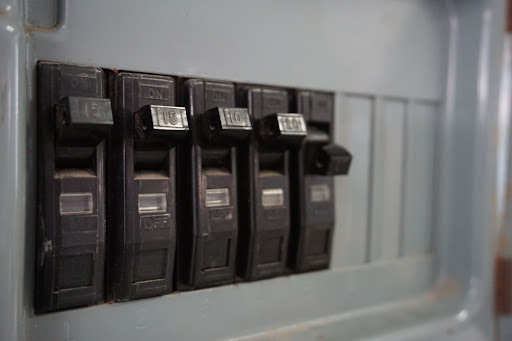
When electricity encounters resistance at a loose connection, it generates friction, and friction creates heat. This heat can build up over time, making the breaker terminal (where the wire connects) and even the breaker itself feel surprisingly warm. This is a subtle but dangerous culprit, as it might not always trip the breaker right away, allowing heat to accumulate quietly.
The Weary Veteran (a.k.a., A Faulty Breaker!)
Even our trusty bouncer can get a bit tired after years of faithful service. Sometimes, a circuit breaker simply goes bad. Internal components can wear out, or manufacturing defects might come to light over time. A faulty breaker might not trip when it should, or it might develop internal resistance that causes it to heat up even under normal loads. If you've ruled out overloads, short circuits, and loose connections, then the breaker itself might be the problem child.
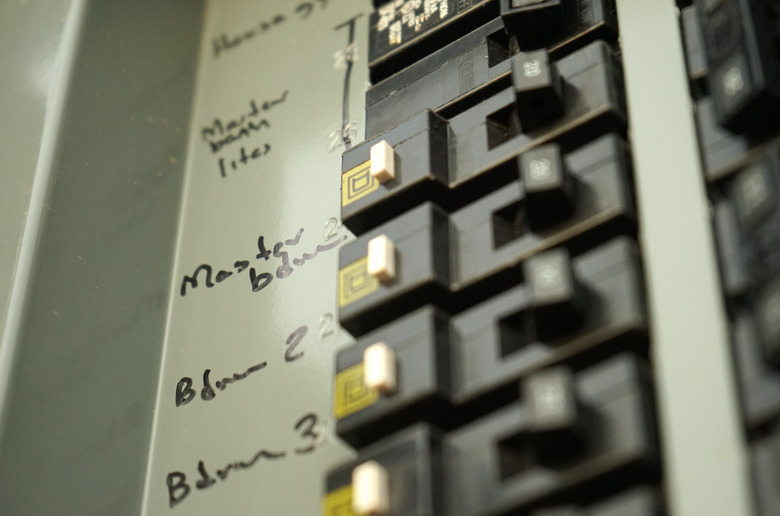
Don't Be a Heat-Seeking Hero!
If you discover a hot breaker, the absolute first thing to do is turn off the power to that circuit (if it hasn't tripped already) and investigate what might be causing the overload. Unplug appliances, check for obvious damage. But here's the kicker:
While curiosity is wonderful, poking around your electrical panel without proper knowledge is a big no-no! Electricity is powerful and demands respect.
If you're unsure, or if the breaker keeps getting hot or tripping, your best bet is to call in a qualified, licensed electrician. They're the superheroes of the electrical world, equipped to diagnose the exact issue safely and effectively.
So, the next time your circuit breaker feels warm to the touch, remember, it's just trying to tell you a story. Listen to its warnings, act responsibly, and keep your home's electrical party running smoothly and safely!
