
What Caused The Flood In Texas
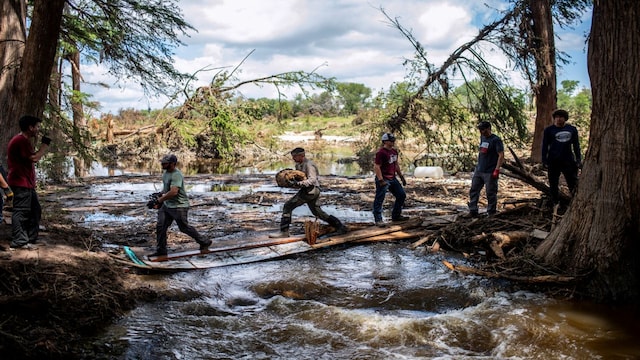
Alright, y'all! Ever sat there, watching the news about another big rain event in Texas, and thought, "Seriously? What is GOING ON down there?" You're not alone! It can feel like Mother Nature is having a bit of a dramatic moment, especially when those floodwaters start rising. But guess what? Understanding why these things happen isn't just super interesting, it can actually make you feel more connected to the world around you and, dare I say, even a little bit inspired!
Let's dive into the fascinating cocktail of factors that makes Texas, well, Texas when it comes to floods. And trust me, it’s not just about a little extra drizzle. It’s a whole symphony of geology, meteorology, and even a dash of human ingenuity (or lack thereof, sometimes!).
The Lay of the Land: Texas is HUGE!
First off, let’s state the obvious: Texas is enormous. Seriously, it’s bigger than many European countries! And because it’s so vast, it encompasses a wild variety of landscapes. From the flat coastal plains along the Gulf of Mexico to the rolling hills of the Hill Country and the rugged mountains out west, it's a topographical smorgasbord.
Must Read
Much of central and eastern Texas, where a lot of the flooding often occurs, is relatively flat or gently sloping towards the Gulf. Think of it like a giant, slightly tilted serving platter. When you pour a lot of water onto a platter, especially a big one, it doesn't just vanish, does it? It tends to spread out and sit there. And that brings us to our next point…
The permeability of the ground matters too! In some areas, like the famous Texas Hill Country, there's a lot of limestone. While beautiful, limestone isn't always the best at soaking up water super fast, especially when it's already saturated. It's like trying to drink water with a straw that's already full – not much more fits! So, when the rain comes, it often just rushes over the surface, heading straight for the nearest river or creek.
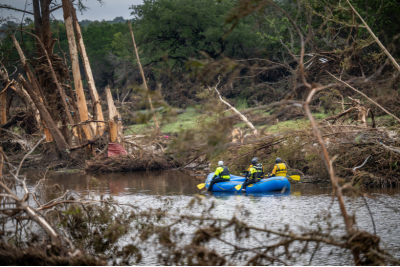
The Weather Whisperer: Gulf Moisture is Key!
Now, let's talk weather, because this is where things get really juicy. Texas has a VIP pass to the Gulf of Mexico. And what does the Gulf provide? A seemingly endless supply of warm, moist air. Think of the Gulf as Mother Nature's giant humidifier, constantly pumping tropical humidity northward. This isn’t a bad thing most of the time – it makes for lovely beaches and balmy evenings!
But when specific weather patterns show up, that abundant moisture becomes the main ingredient for a flood recipe. We're talking about:

- Slow-Moving Storms: These are the true mischief-makers. Instead of zipping through, they just kind of… stall. Imagine a friend who overstays their welcome on your couch, munching all your snacks. These storms just sit there, day after day, dumping rain onto the same areas. The atmosphere basically becomes a fire hose aimed at one spot.
- "Atmospheric Rivers": Sounds dramatic, right? That’s because it is! These are narrow corridors of concentrated moisture in the atmosphere that can carry enormous amounts of water vapor from the tropics directly into a region. When one of these aims its full force at Texas, watch out! It’s like a superhighway for rain.
- Cold Fronts Meeting Warm Air: When a cooler air mass pushes down from the north and collides with that warm, moist Gulf air, it forces the warm air upwards. As that warm air rises, it cools, and all that moisture condenses into rain. If this collision point just hangs out over Texas, you get a continuous stream of showers and thunderstorms.
And yes, many climate scientists suggest that a warming planet might contribute to more intense rainfall events, as warmer air can hold more moisture. It's a complex picture, but definitely something to keep our curious minds on!
The Human Factor: Concrete Jungles and River Basins
We humans, in our quest for cozy homes and convenient commutes, have also played a role. As cities grow, we replace natural landscapes like prairies and forests with concrete, asphalt, and rooftops. These impervious surfaces don't absorb water like soil does. So, instead of soaking into the ground and recharging aquifers, the rainwater just runs off, often into storm drains and then straight into rivers and creeks, much faster and in larger volumes.
Couple that with the fact that Texas has many river basins that naturally funnel water towards the coast. When you have intense rainfall over one of these basins, and all that urban runoff joining the party, the rivers can quickly swell past their banks.
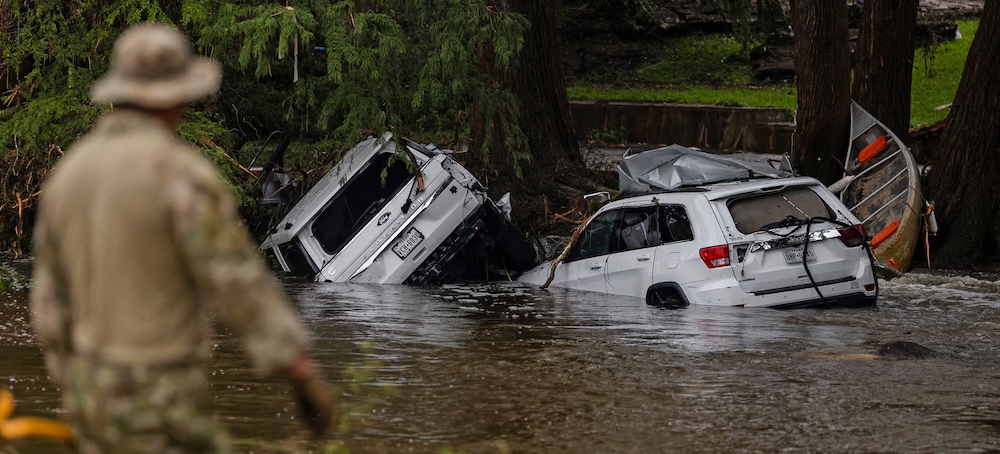
Why This Makes Life More Fun (Seriously!)
Okay, so understanding floods might not sound like the most "fun" topic at first blush. But hear me out! When you grasp these underlying causes, you unlock a whole new appreciation for the natural world. Suddenly, that rainstorm isn't just "rain" – it's a dynamic interplay of atmospheric pressure, global currents, and local geology!
It makes you a more informed citizen, too. You can understand why certain infrastructure projects are proposed, or why a particular neighborhood might be more flood-prone. It sparks your curiosity to learn more about the weather, geology, and even your own local ecosystem. It's like having a backstage pass to Mother Nature's greatest show!
And let's be real, when we understand something, we feel more in control, less helpless. It inspires innovation, resilience, and community spirit. When floods strike, Texans (and people everywhere!) show incredible courage, kindness, and ingenuity. Understanding the science behind it all helps us to prepare better, recover stronger, and even design smarter communities for the future.
Go Forth and Be Curious!
So, the next time you hear about a Texas flood, instead of just sighing, take a moment to ponder the incredible forces at play. Think about the Gulf moisture steaming north, the atmospheric river swirling, the flat plains ready to collect, and the bustling cities where water needs a new path. It’s a grand, complex story unfolding right before our eyes.
Isn't that absolutely amazing? Go ahead, look up what makes your local area unique. What kind of soil do you have? Where does the water go when it rains? Dive in! You might just find that becoming a mini-meteorologist or a backyard geologist is the most fascinating hobby you never knew you needed. The world is full of wonders, and understanding how it works is truly one of life's greatest adventures!