What Category Is Considered A Major Hurricane
Ever find yourself glued to the weather report, especially when a swirling storm system starts brewing out in the ocean? If so, you're not alone! Understanding hurricane categories isn't just about prepping your emergency kit (though that's important!), it's also about decoding the drama of Mother Nature and understanding the immense power she can unleash. Knowing the difference between a Category 1 and a Category 5 hurricane is like understanding the levels of a video game – each one brings a new level of intensity and potential impact. So, let's dive in and explore the fascinating world of hurricane categories!
The Saffir-Simpson Hurricane Wind Scale is the official yardstick used to measure a hurricane's intensity. It classifies hurricanes based on their sustained wind speeds. This scale helps us anticipate the potential damage a hurricane might cause and allows us to prepare accordingly. Why is this useful? Because knowing the category helps authorities issue appropriate warnings, helps individuals make informed decisions about evacuation, and allows everyone to understand the level of risk they face. In essence, it's a critical communication tool during a potentially devastating event.
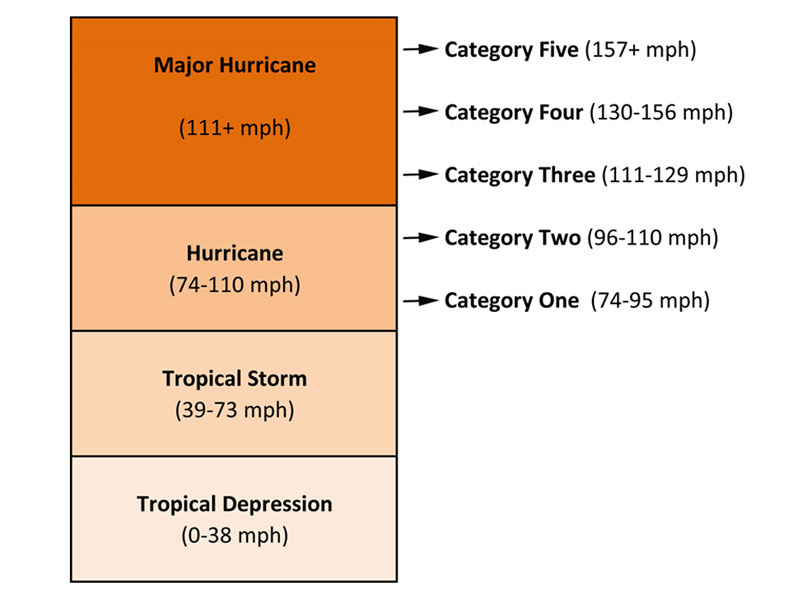
Now, the million-dollar question: What category is considered a major hurricane? The answer is Category 3 or higher. A hurricane that reaches Category 3 status is classified as a major hurricane because it signifies a substantial increase in destructive power. We're talking about significantly higher sustained wind speeds and the potential for catastrophic damage.
Must Read
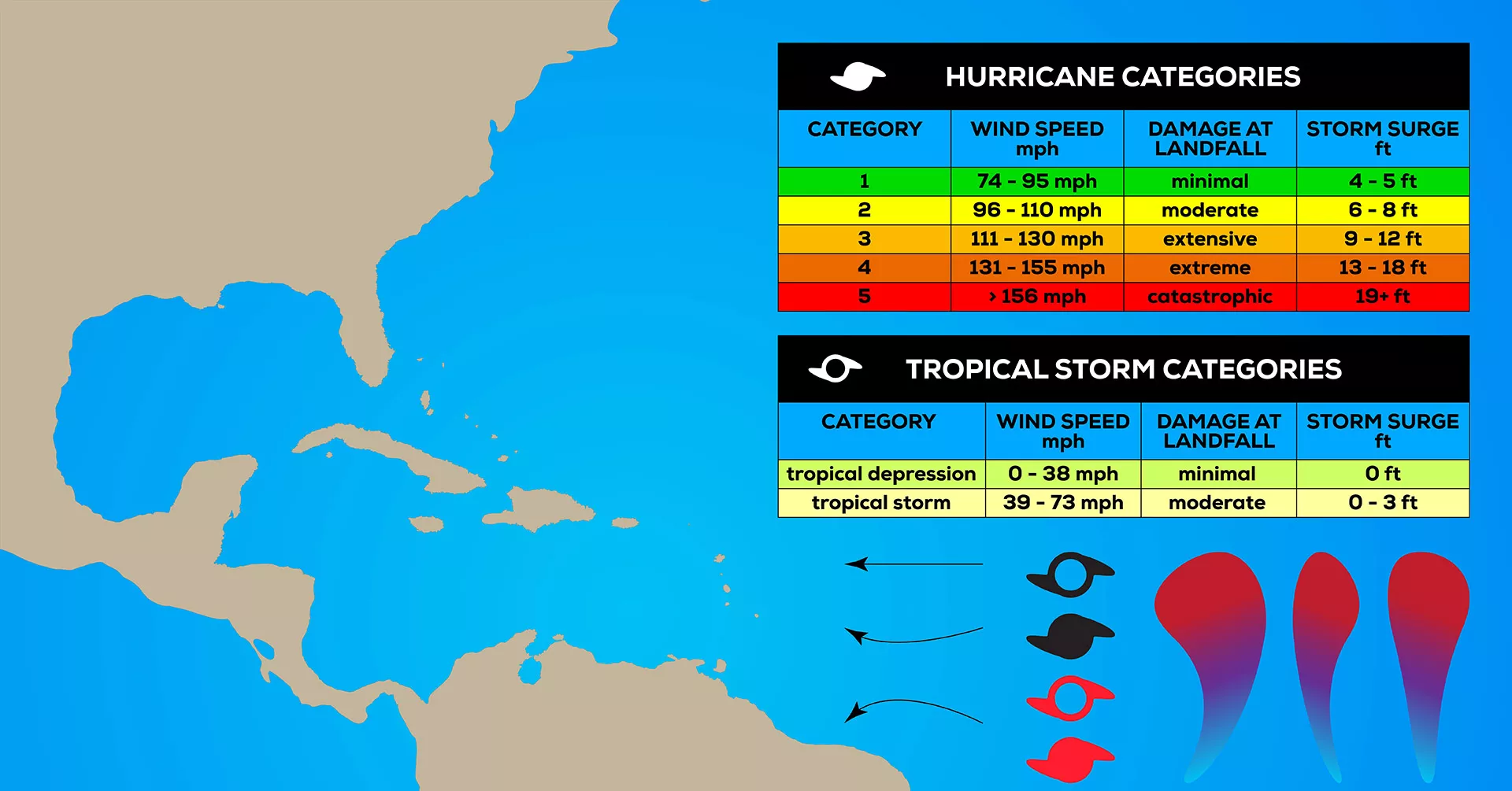
Here's a quick breakdown to give you a clearer picture:
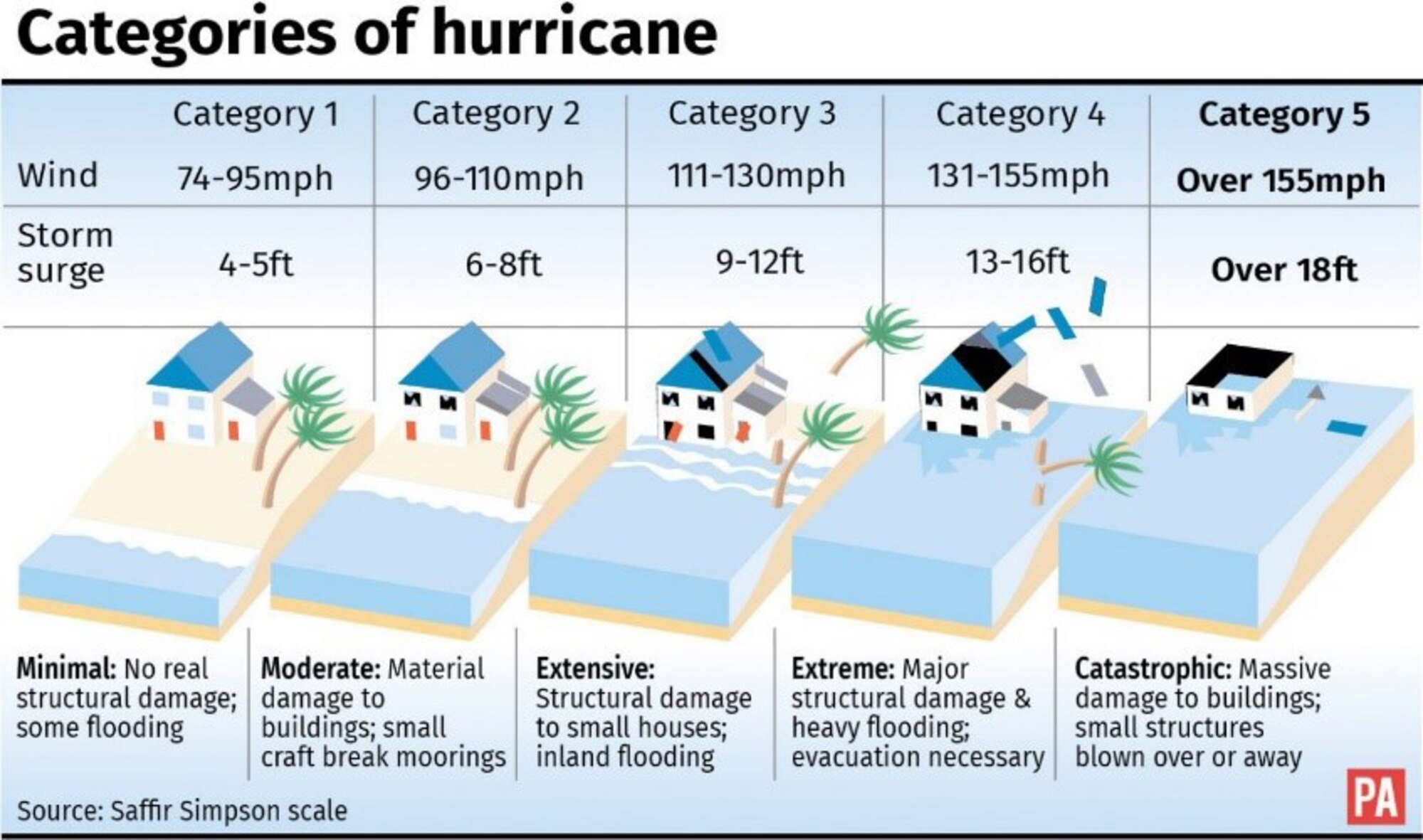
- Category 1: Winds 74-95 mph. Damage to trees, unanchored mobile homes, and some coastal flooding.
- Category 2: Winds 96-110 mph. Considerable damage to roofing materials, doors, and windows. Significant damage to vegetation.
- Category 3: Winds 111-129 mph. Devastating damage will occur. Expect structural damage to small residences and utility buildings.
- Category 4: Winds 130-156 mph. Catastrophic damage will occur. Expect significant roof damage and wall collapse.
- Category 5: Winds 157 mph or higher. Catastrophic damage will occur. A high percentage of framed homes will be destroyed, with total roof failure and wall collapse.
Notice the jump between Category 2 and Category 3? That's where the "major" designation kicks in. Hurricanes of Category 3, 4, and 5 are often referred to as intense hurricanes. The damage potential escalates dramatically with each increasing category, highlighting the importance of understanding this scale. A Category 3 or higher hurricane can cause widespread power outages, make areas uninhabitable for weeks or even months, and unfortunately, can result in significant loss of life.
So, the next time you hear about a hurricane brewing in the Atlantic or Pacific, you'll be better equipped to understand its potential impact. Remember, knowledge is power, especially when it comes to preparing for severe weather. Stay informed, stay safe, and always heed the warnings of local authorities. And now, you can impress your friends and family with your newfound hurricane category expertise!