What Carbon Fiber Is Made Of

Ever marveled at a sleek racing bike, a high-performance sports car, or even a drone effortlessly slicing through the air? Chances are, you've witnessed the magic of carbon fiber. It's the superstar material that brings a futuristic gleam and incredible strength to our world, feeling almost like it's from another dimension. But what exactly is this wonder material made of, and why does it inspire such awe?
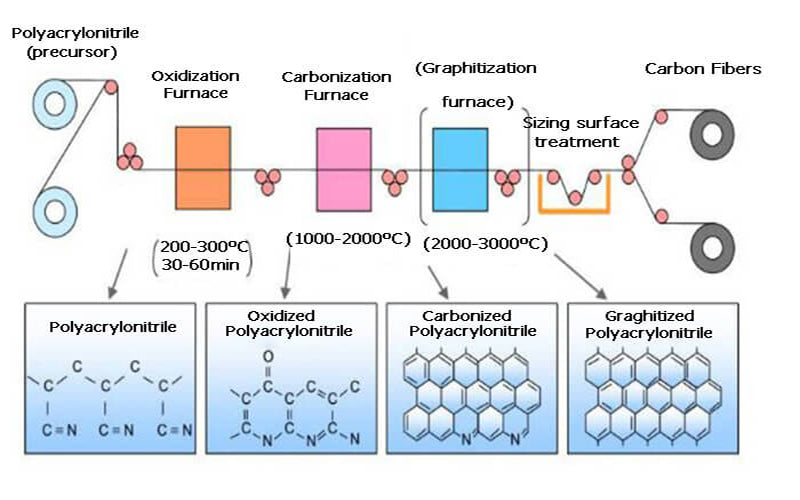
At its heart, carbon fiber is a testament to clever engineering, taking something relatively simple and transforming it into a powerhouse. Imagine starting with a common organic polymer, often polyacrylonitrile (PAN), a material that looks a bit like the plastic used in some clothing fibers. This isn't where the carbon fiber magic happens directly, but it's the crucial first step on a fascinating journey.
The real transformation begins with a bit of heat – actually, a lot of heat! The PAN fibers are carefully heated in a series of ovens, in controlled environments that progressively get hotter and hotter. During this intense process, all the non-carbon atoms, like hydrogen, nitrogen, and oxygen, are driven out. What's left behind are incredibly thin, pure strands of carbon atoms, arranged in long, crystalline chains. These microscopic filaments are thinner than a human hair, yet packed with an astounding amount of potential strength.
Must Read
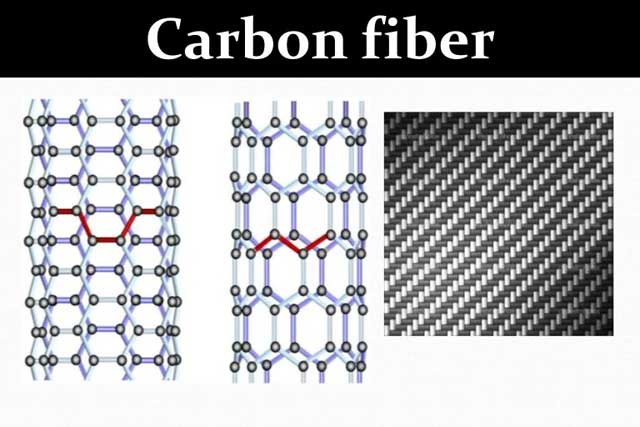
These individual carbon filaments are far too delicate to use on their own. So, they are spun together into yarns, much like how cotton or wool is spun into thread. These yarns are then woven or laid out into fabric sheets, creating that distinctive checkerboard or striped pattern you often see. But even then, it's not quite carbon fiber yet! The final, crucial ingredient is a resin, typically an epoxy. This liquid resin is used to infuse the carbon fabric, binding all those incredible carbon fibers together. Once cured (hardened), the resin locks the carbon fibers in place, creating a stiff, lightweight, and incredibly strong composite material we know and love.
The benefits of this process are immense, especially for anyone fascinated by design, engineering, or simply making things lighter and stronger. For casual learners, understanding this journey from polymer to composite deepens an appreciation for material science. Hobbyists can leverage carbon fiber's properties for repairs, custom gadgets, or even aesthetic enhancements, knowing they're working with a material born from intense heat and clever chemistry. Think about making an RC plane fuselage lighter, reinforcing a worn tool handle, or even creating sleek, custom protective covers for electronics.
While you can't cook up your own carbon fiber strands at home (that's best left to industrial specialists!), you can certainly try your hand at working with this fantastic material. Many hobby stores and online retailers offer accessible carbon fiber sheets, repair kits, and even "skinning" kits. These allow you to cut, shape, and laminate carbon fiber fabric onto existing objects using epoxy resin, giving them a high-tech finish and added durability. Always remember to work in a well-ventilated area and wear gloves when handling resins!
Ultimately, there's something truly satisfying about understanding and interacting with carbon fiber. It's not just its incredible strength-to-weight ratio or its stunning visual appeal; it's the story behind it. It’s the sheer ingenuity of transforming common elements into a material that pushes the boundaries of what's possible, making our world faster, lighter, and more exciting. And that, in itself, is a joy to behold!