What Can You Run With A 7500 Watt Generator
Ever wondered what kind of power party you could throw with a 7500-watt generator? It's a surprisingly fun question because it opens up possibilities! Whether you're prepping for a power outage, planning a camping trip, or just want to run some serious tools in your workshop, knowing what your generator can handle is key. Let's dive in!
For the beginner, a generator is like a portable power outlet, but understanding its limits is crucial. Think of it like this: every appliance has a power "appetite" measured in watts. Your 7500-watt generator is the chef, and you need to make sure you're not asking them to cook more than they can handle. Overload the generator, and it might trip a breaker or, worse, damage itself. The benefit? Peace of mind knowing you can keep the lights on and fridge running during a storm.
For families, a 7500-watt generator can be a lifesaver during power outages. It's about more than just keeping the lights on; it's about maintaining some normalcy. Imagine being able to run your refrigerator (around 600-800 watts), a few lights (50-100 watts each), a TV (100-200 watts), and even a window air conditioner (around 1000-1500 watts) – all simultaneously! This allows you to preserve food, stay entertained, and maintain a comfortable temperature, significantly reducing the stress of a power outage. It’s about comfort and security when things go sideways.
Must Read
For the hobbyist or DIY enthusiast, a 7500-watt generator unlocks a world of possibilities. You can power a variety of power tools: circular saws, drills, sanders, and even smaller air compressors. This makes it perfect for working on projects in remote locations or where access to traditional power outlets is limited. Think about building a shed in your backyard without running extension cords across the lawn, or powering your tools at a remote job site. You gain flexibility and independence with your projects.
Examples and Variations: * The Essentials: Refrigerator, lights, phone chargers, and a small space heater. * The Camping Package: Lights, a coffee maker, a portable stove, and maybe even a small fan. * The Workshop Warrior: Power tools, a shop vacuum, and lighting.
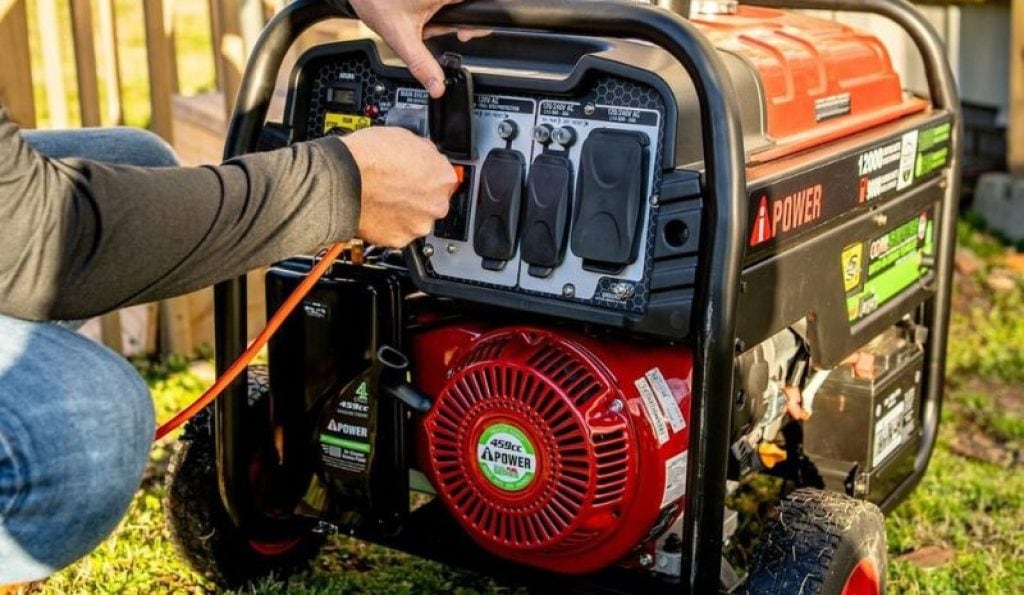
Simple, Practical Tips for Getting Started:
- Calculate Your Needs: Before you plug anything in, make a list of the wattage requirements of each appliance. You can usually find this information on a sticker on the appliance itself or in the owner's manual.
- Starting Watts vs. Running Watts: Some appliances require more power to start than they do to run. Factor this into your calculations. Your 7500-watt generator likely has a higher "starting watt" capacity than its "running watt" capacity.
- Don't Overload: Never exceed the generator's maximum wattage. It's better to be safe than sorry.
- Use Heavy-Duty Extension Cords: Ensure your extension cords are rated for the amperage of the appliances you are powering.
- Safety First: Always operate the generator in a well-ventilated area to prevent carbon monoxide poisoning.
Ultimately, understanding what you can run with a 7500-watt generator is about empowerment. It's about being prepared, being self-sufficient, and having the freedom to tackle projects wherever you are. So, embrace the power – responsibly, of course – and enjoy the benefits a generator brings to your life.