
What Can You Put In A Compost
Ever wondered what happens to your banana peels, coffee grounds, and all those sneaky dust bunnies that accumulate under the couch? Well, buckle up, because we're about to dive into the wonderful, wild world of composting! It’s not just for garden gurus; it’s for anyone who loves a good magic trick where trash becomes treasure. And honestly, it’s just plain fun to talk about!
Composting is like hosting a fantastic dinner party for microorganisms, worms, and fungi. You're basically inviting all these tiny, hungry critters to feast on your organic waste. And trust me, they're not picky eaters. So, what's on the menu?
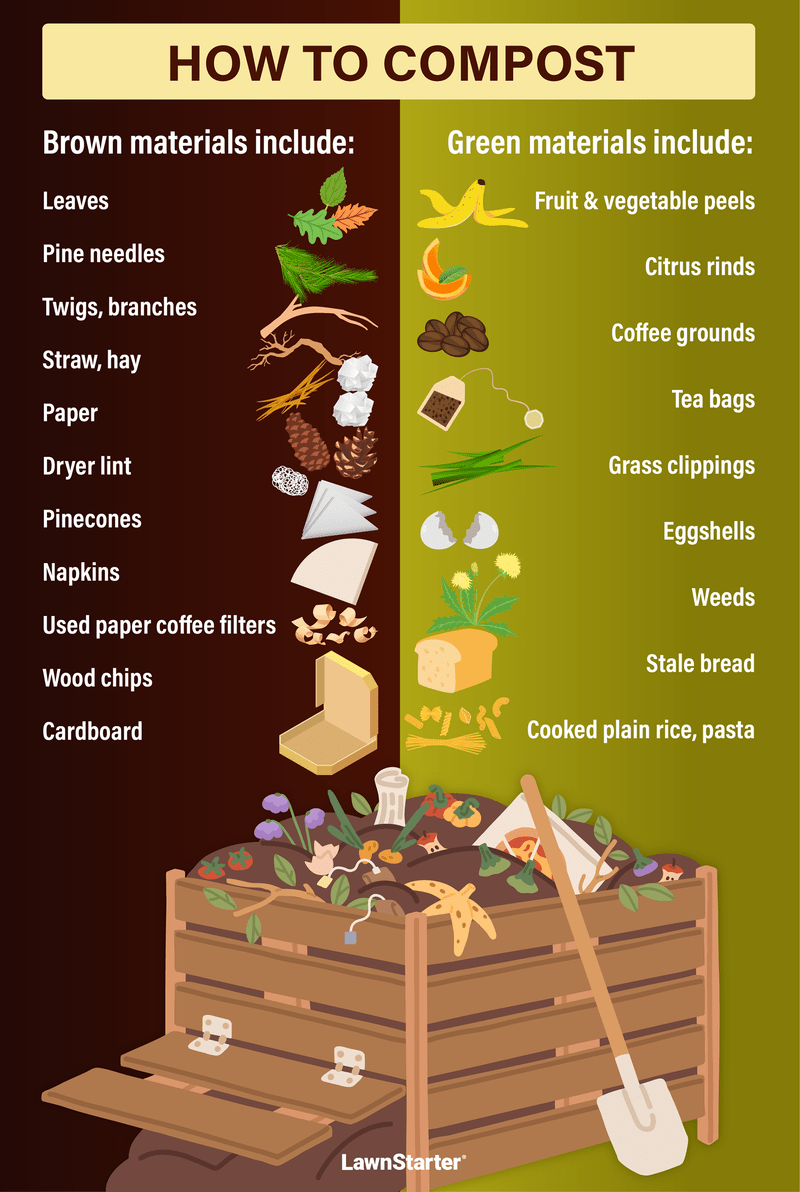
The Green Goodies: Kitchen Confetti!
Let's start with the heart of any good compost pile: your kitchen scraps! These are your "greens" – nitrogen-rich items that get things hot and steamy. Think of them as the energizer bunnies of your compost heap.
Must Read
Got a forgotten apple slowly turning squishy in the back of the fridge? Into the compost it goes! Those wilting salad greens you optimistically bought? Compost party time! Every fruit peel, veggie scrap, and potato skin is a welcome guest. Your avocado pit, that onion skin, even the fuzzy peach – all good! It’s like giving your fridge’s rejects a glorious second life.
And those delicious coffee grounds from your morning brew? Oh, yes! Not only do they add nitrogen, but rumour has it, worms get a little buzz from the caffeine too. (Just kidding, mostly!) Tea bags (natural fibre ones, please!) are also a fantastic addition. They break down beautifully.
Don’t forget about eggshells! Give them a quick rinse and crush them up. They add valuable calcium and a satisfying crunch to your compost mix, which helps with aeration. Imagine the tiny organisms feeling that texture – a little culinary adventure!

Stale bread, old pasta, even leftover rice (in moderation) can join the feast. Just make sure they're not swimming in butter or oil, as that can attract unwanted guests. It's truly a celebration of leftovers!
Yard Party! Autumn's Leftovers and Spring's Snippings
Your garden isn't just a place to grow things; it's a prime composting resource! These are your "browns" – carbon-rich materials that provide structure and a slower burn for your compost pile.
When autumn rolls around, those mountains of fallen leaves? Don't bag 'em up for the curb! Rake 'em into your compost pile! They're like nature's blankets, providing excellent carbon. Shredding them helps them break down faster, but a pile of whole leaves will eventually get there too. It's a gorgeous transformation from crunchy golden to rich dark earth.

Grass clippings are another superstar. They’re super green and full of nitrogen, so mix them with some browns to keep your pile happy and aerated. Just don’t dump a huge, thick layer all at once, or you’ll end up with a slimy, smelly mess. Think balance, my friend, balance!
Dead flowers, spent annuals, even small pruned branches (chopped into tiny bits, of course!) are all welcome. Your compost bin loves to gobble up last season's garden memories and turn them into next season's vitality. It's the ultimate circle of life, right in your backyard!
Paper Palooza: Cardboard Comforts
Believe it or not, some of your paper waste can find a happy home in the compost pile too! Think of it as providing bedding and roughage for our hungry microbial friends.

Shredded newspaper (stick to black and white, please – shiny coloured inks sometimes have unwanted chemicals) is fantastic. It adds carbon and helps aerate the pile. Cardboard egg cartons? Tear 'em up! Paper towel and toilet paper rolls? Rip 'em into pieces! Any uncoated cardboard is fair game. Just make sure to remove any tape or plastic labels.
It's incredibly satisfying to know that even your old cereal box can contribute to fertile soil. Who knew your morning Frosted Flakes could have such a heroic afterlife?
Weird & Wonderful Additions: The Quirky Corner!
Now for the truly fun stuff – the things you might never guess could go into compost! This is where the curiosity really sparks.

Did you know your own hair and pet fur can be composted? Yep! It’s mostly protein, and it breaks down surprisingly well. Next time you clean out your brush, don't toss that hairball – toss it in the compost! Your nail clippings too, though perhaps in smaller, less alarming quantities. It's a tiny, personal contribution to the earth.
Natural cotton balls and cotton swabs (again, stick to natural materials!) can go in. Even old wool or cotton clothing scraps (un-dyed and cut into small pieces) can break down. It's like giving your old socks a meaningful retirement plan!
Natural wine corks (not the plastic ones!) can also be composted. Chop them up for a quicker breakdown. And get this: dust bunnies! Yes, those fluffy collections of lint and hair from under your bed or behind the couch? If they're mostly organic (dust, pet hair, human hair, tiny fabric fibres), they can absolutely contribute to your compost pile. Who knew your cleaning efforts could be so eco-friendly?
So, there you have it! Composting isn't just about reducing waste; it's a fascinating, active process where you get to play a part in nature's grand design. It's a little bit magical, a little bit mad scientist, and a whole lot of fun. Go on, give your garbage a glorious second chance!