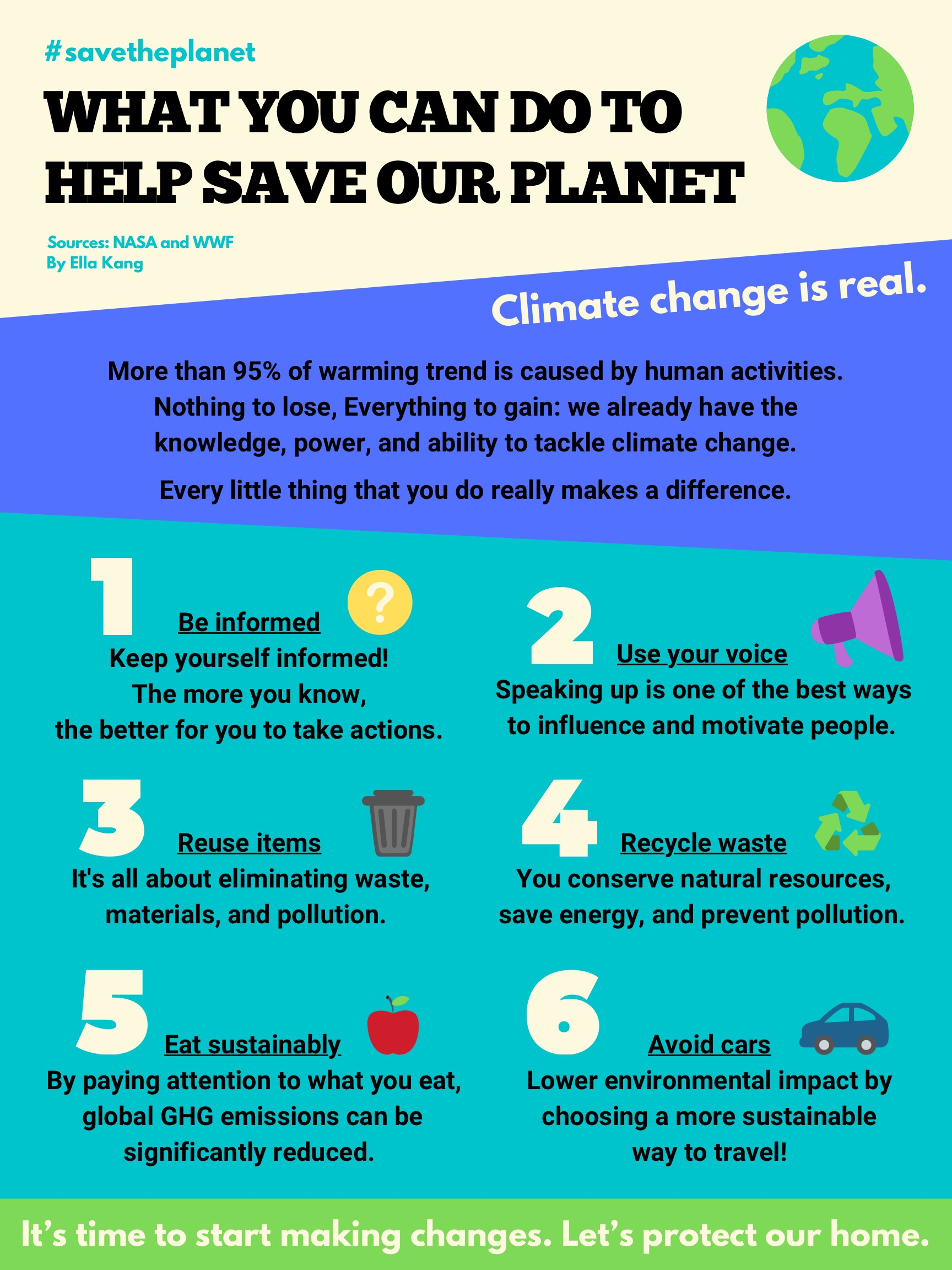
What Can We Do To Help Reduce Global Warming

Let's face it, who doesn't love feeling that cozy warmth on a chilly evening, or the refreshing coolness on a sweltering summer day? We're talking about climate control, something we often take for granted but plays a vital role in our lives. From the simple act of opening a window to cranking up the air conditioning, we're constantly manipulating our environment to achieve optimal comfort.
Climate control is so ingrained in our daily routines it’s almost invisible. Think about it: it dictates what we wear, where we live, and even what we eat. Without it, imagine trying to work in a humid office, sleep through a heatwave, or enjoy a winter holiday. It's what keeps our food fresh in refrigerators, allows us to manufacture delicate electronics, and helps maintain the temperature-sensitive environments in hospitals and laboratories. Essentially, climate control is the backbone of modern society.
The most obvious examples of climate control are our home heating and cooling systems. Central air conditioning, window units, furnaces, and electric heaters are all designed to keep us comfortable indoors. But it goes far beyond that. Climate control systems are also used in vehicles, greenhouses, and even massive data centers to prevent overheating. Consider the complex systems in museums that maintain precise humidity levels to preserve priceless artifacts. The applications are endless.
Must Read
However, the convenience and comfort we derive from climate control come at a cost. The energy required to power these systems contributes significantly to greenhouse gas emissions and, ultimately, to global warming. So, how can we enjoy climate control more effectively, minimizing its environmental impact? Here are some practical tips:
Firstly, improve your home's insulation. Properly insulated walls, ceilings, and windows drastically reduce the need for heating and cooling. Seal any cracks or gaps around windows and doors to prevent air leaks. Think of it as putting a cozy blanket around your house to keep the heat in during winter and out during summer.

Secondly, upgrade to energy-efficient appliances. Look for Energy Star certified air conditioners, furnaces, and refrigerators. These appliances are designed to use less energy while providing the same level of performance. It’s an investment that pays off in the long run through lower energy bills.
Thirdly, utilize smart thermostats. These devices learn your preferences and automatically adjust the temperature to optimize energy consumption. You can also program them to lower the temperature when you're away or asleep, saving even more energy.

Fourthly, consider alternative cooling methods. Fans are a much more energy-efficient way to stay cool compared to air conditioning. Also, planting trees around your home can provide natural shade, reducing the amount of sunlight that enters your house and lowering the indoor temperature.
Finally, and perhaps most importantly, be mindful of your usage. Set your thermostat to a slightly higher temperature in the summer and a slightly lower temperature in the winter. Even a few degrees can make a significant difference in your energy consumption. Remember, every little bit helps! By making small changes to our habits and embracing energy-efficient technologies, we can continue to enjoy the benefits of climate control while minimizing its impact on our planet.