
What Can Cause An Air Conditioner To Stop Cooling
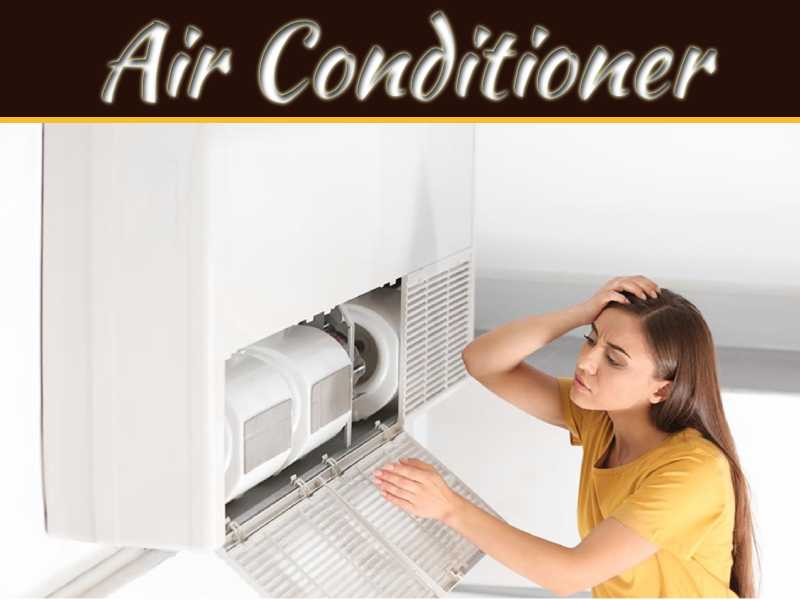
Okay, picture this: You’re finally home after a brutal day. The sun is beating down like it owes you money, and all you can think about is collapsing on the couch under a glorious wave of icy-cold air. You hit the power button on your AC, hear that familiar whirr, and… nothing. Warm air. Just mocking, tepid air. Been there? I have. And let me tell you, the frustration is REAL. But before you start contemplating a move to Antarctica, let’s troubleshoot. Why is your AC blowing hot air? Turns out, there are quite a few culprits. And don't worry, we'll get through this together!
So, why is your AC suddenly staging a rebellion against the very concept of coolness? Here’s a rundown of the usual suspects:
Refrigerant Woes: The Lifeblood of Cool
Think of refrigerant as the essential ingredient in your AC’s recipe for cool. It’s the stuff that absorbs heat from inside your house and releases it outside. If you're low on refrigerant (due to a leak, probably), your AC simply can't do its job effectively. This isn't something you can just refill yourself, by the way. You'll need a qualified technician to find and repair the leak and recharge the system. Ignoring it will only lead to more costly repairs down the line. Trust me on this one!
Must Read
Side Note: Sometimes, people think adding more refrigerant is a quick fix. It's not. Overcharging can be just as bad, potentially damaging the compressor. So, hands off the DIY refrigerant refills, okay?
Dirty Air Filter: The Silent Assassin
This is often the easiest and most common culprit. A clogged air filter restricts airflow, making your AC work harder than it should. This can cause the unit to overheat, freeze up (more on that later), and ultimately reduce its cooling capacity. Plus, a dirty filter circulates dust and allergens throughout your house – no bueno!

Pro-Tip: Check your air filter every month and replace it as needed. A clean filter not only helps your AC run efficiently but also improves your indoor air quality. It's a win-win!
Frozen Evaporator Coil: An Icy Predicament
Remember that clogged air filter we just talked about? Well, that restricted airflow can lead to the evaporator coil (the part of your AC that cools the air) freezing up. Other causes include low refrigerant or a malfunctioning blower motor. If you see ice forming on your indoor unit, turn off the AC immediately and let it thaw out. Then, address the underlying cause – clean that filter, check for leaks, or call a professional.
Important: Running your AC with a frozen coil can seriously damage the compressor, which is the most expensive part to replace. So, don't ignore the ice!
Condenser Issues: The Outdoor Overachiever
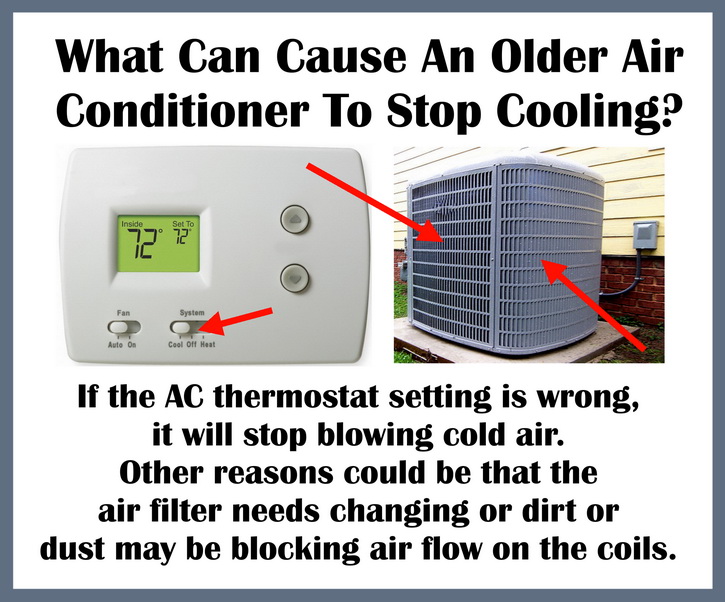
Your condenser unit, the part that sits outside your house, is responsible for releasing the heat extracted from inside. If it’s blocked by debris like leaves, dirt, or overgrown plants, it can’t do its job efficiently. This leads to overheating and reduced cooling performance.
Simple Solution: Regularly clear away any obstructions around your condenser unit. Give it some breathing room!
Ductwork Problems: Leaks and Losses
Leaky ductwork is like trying to fill a bucket with holes in it. You’re losing precious cool air before it even reaches your living space. Ductwork can develop leaks over time due to age, wear, or poor installation. Sealing those leaks can dramatically improve your AC's efficiency and lower your energy bills. (Cha-ching!)

Consider This: Duct sealing is a job best left to the professionals, especially if your ductwork is located in hard-to-reach areas. But if you're feeling handy, you can try sealing visible leaks with special duct tape (not regular duct tape!).
Electrical Issues: Power Struggles
Sometimes, the problem isn’t with the AC unit itself, but with the electrical system. A blown fuse, a tripped circuit breaker, or a faulty capacitor can all prevent your AC from cooling properly. Check your circuit breaker box first to see if a breaker has tripped. If so, reset it. If the breaker trips again soon after, there's likely a more serious electrical problem that needs professional attention.
Safety First: Never attempt to repair electrical components yourself unless you're a qualified electrician. Electricity is dangerous, and it's not worth the risk.
Compressor Failure: The Worst-Case Scenario
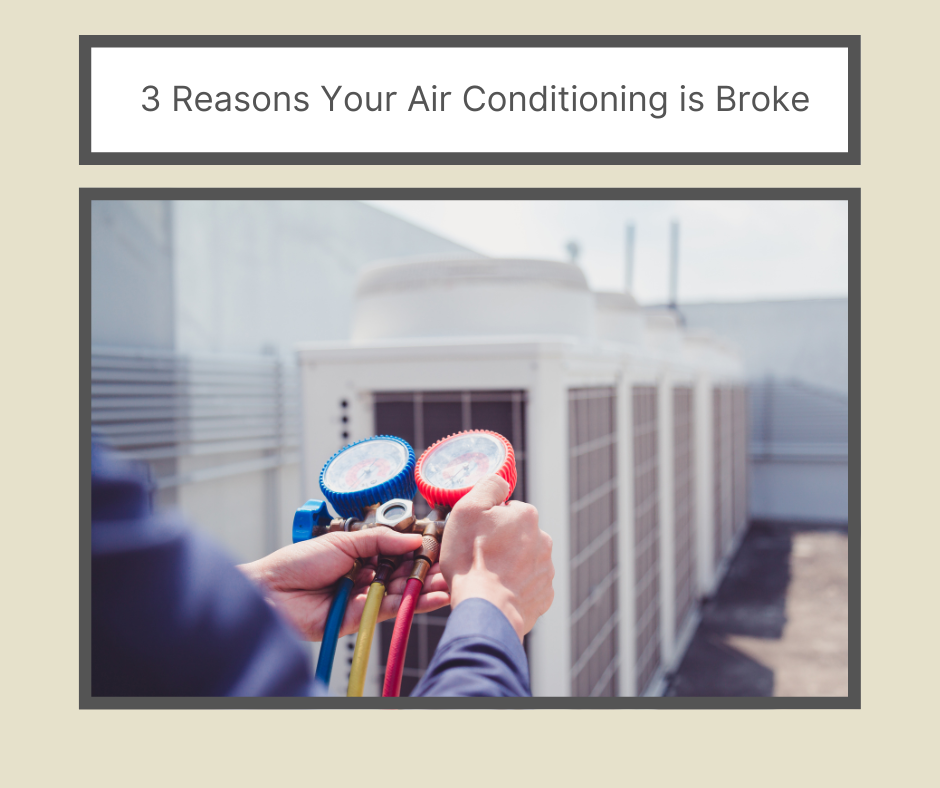
The compressor is the heart of your AC system. It circulates the refrigerant and is responsible for compressing it, which is essential for the cooling process. If the compressor fails, your AC is essentially dead. Compressor replacement is a major repair and can sometimes be more expensive than replacing the entire unit. Ouch.
Hopefully Not: While compressor failure is serious, it's not always the first thing to jump to. Rule out the other possibilities first!
So, there you have it – a breakdown of the common culprits behind AC cooling failures. Now go forth, investigate, and hopefully, restore your home to a blissful state of coolness. And if all else fails, don't be afraid to call in the pros. Sometimes, you just need a little expert help to get things running smoothly again. Good luck!