
What Can Be Used As Insulation

Ever walked into your house after a long day, only to be met with a blast of chilly air in winter, or a stifling wave of heat in summer? Or maybe you've just opened your energy bill and let out a little sigh? Chances are, you've probably thought, "There's gotta be a better way to keep this place comfy without breaking the bank!" Well, my friend, let's talk about the unsung hero of home comfort: insulation.
Think of your home as a giant, cozy thermos. Without good insulation, it's more like a colander trying to hold water – letting all the good stuff (your expensive heating or cooling) leak right out. But when it's properly "thermos-ed" up, your house can be a delightful little oasis, no matter what the weather throws at it. So, why should you care? Beyond the obvious comfort factor (who doesn't love feeling snug as a bug?), there's the beautiful sound of saving money on those energy bills. Plus, you're doing a little happy dance for the planet by using less energy. Pretty neat, right?
Let's take a peek behind the walls (and above the ceilings!) and explore some of the fascinating materials that act as your home's personal bodyguard against the elements.
Must Read
Fluffy & Familiar: Fiberglass and Mineral Wool
This is probably what first pops into your head when you think "insulation." It’s that big, often pink or yellow, fluffy stuff you see in attics or stuffed into wall cavities. It looks a bit like a giant cotton candy cloud, or perhaps a very thick, fuzzy blanket for your house. Fiberglass is made from incredibly fine strands of glass, while mineral wool comes from spun rock or slag. They both work by trapping tiny pockets of air, which are terrible conductors of heat.
Think about how a thick, chunky knit sweater keeps you warm. It’s not the yarn itself that’s doing all the work, but all the little air pockets trapped within the fibers. Fiberglass and mineral wool do the same for your home! They’re relatively inexpensive, easy to install in many places, and provide a fantastic barrier against temperature changes. Just remember, while it looks cuddly, it's best to leave the cuddling to professionals (or wear protective gear if you're tackling it yourself!).

The Recycled Champion: Cellulose
Now, here's a superhero with an eco-friendly cape! Cellulose insulation is primarily made from recycled paper products – think old newspapers, cardboard, maybe even some of your old essays (finally doing some good!). It's usually treated with fire retardants and pest repellents, so it's not just a pile of shredded paper.
It often comes as a loose fill that's blown into attics or dense-packed into wall cavities. Imagine all those old newspapers finding a new life, turning into a snug, insulating cloud for your home. It's like your house is giving a big, warm hug to Mother Earth by using recycled materials. Because it can be blown into nooks and crannies, it’s fantastic for sealing up tricky spots and older homes.
The Expanding Wonder: Spray Foam
This stuff is like magic – seriously! Spray foam insulation starts as a liquid, then expands dramatically, sometimes up to 100 times its original volume, to fill every single crack and crevice. It’s like watching a science experiment happen right before your eyes. Remember those novelty toys that grew in water? It's kind of like that, but for your house's energy efficiency!

There are two main types: open-cell (softer, more flexible, like a firm sponge) and closed-cell (denser, more rigid, offers structural benefits). Both are incredible at creating an airtight seal, preventing drafts that sneak in through tiny gaps. Think of it as a custom-fitted, warm, foamy hug for your walls and ceiling. It’s a bit pricier than the fluffy stuff, but its ability to stop air leakage is second to none, making it a fantastic investment for comfort and savings.
The Stiff Protectors: Rigid Foam Boards
If you've ever had a really good cooler that kept your drinks icy all day at the beach, you've seen rigid foam in action! Rigid foam boards (like XPS, EPS, or Polyiso) are dense panels that offer excellent insulating properties in a relatively thin package. They're often used on exterior walls, in basements, or under floors where space might be limited.
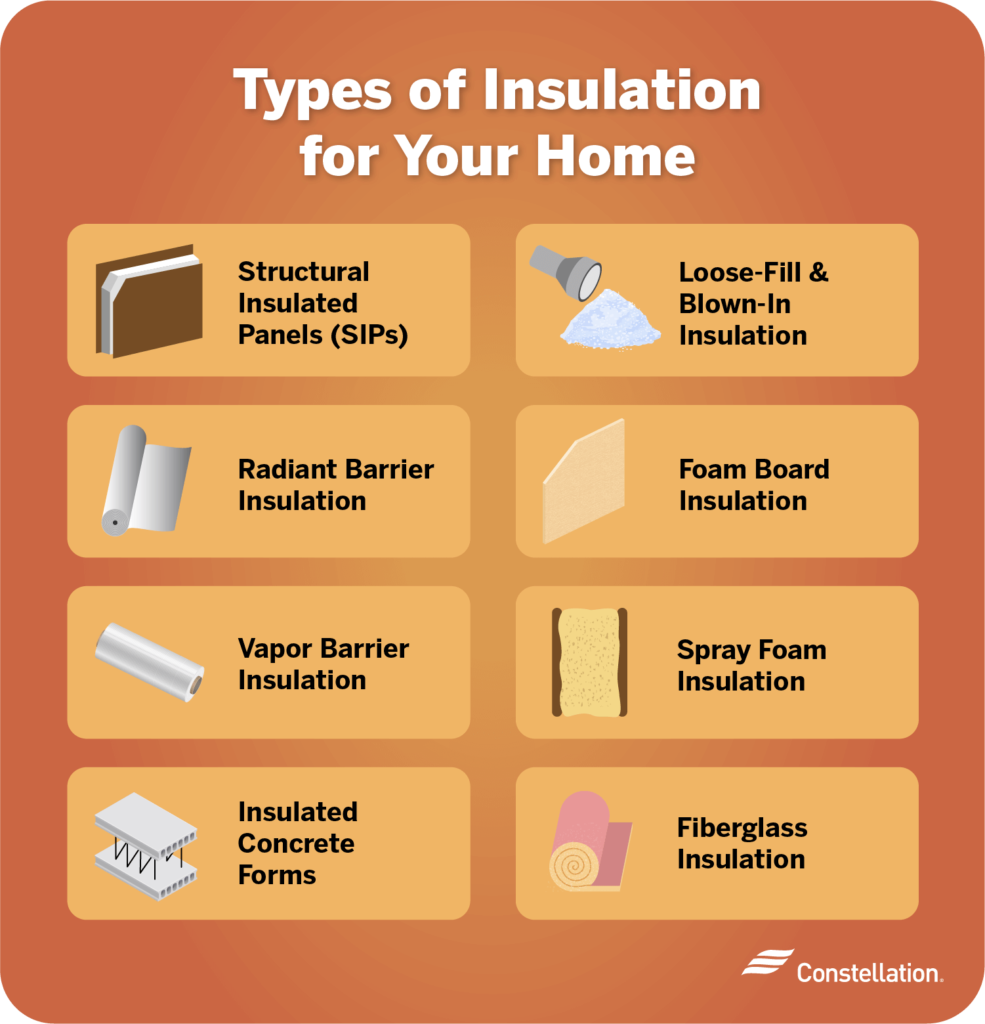
Imagine giving your house an extra layer of highly efficient, super-dense armor. These boards are fantastic for blocking thermal bridges (areas where heat can easily escape, like through wall studs) and resisting moisture. They're strong, durable, and when properly installed, they make a significant difference in your home's thermal performance. Plus, some types can even add a bit of structural rigidity, which is a nice bonus!
Other Creative Choices: Natural & Niche
Beyond the big players, there are also some fantastic, often eco-friendly, options making waves. Ever heard of sheep's wool insulation? It’s exactly what it sounds like – wool from sheep, used to insulate homes! It’s naturally breathable and moisture-resistant. There’s also recycled denim insulation, made from old jeans and fabric scraps. It’s like giving your comfy old jeans a new, insulating purpose in life. And for those really going green, materials like straw bales and hempcrete are used in more specialized natural building projects, proving that there are many paths to a well-insulated home.
So, the next time you feel a draft, or just want to treat your home (and your wallet!) to a little extra love, remember these unsung heroes of insulation. They’re working tirelessly, day in and day out, to keep you comfy, save you money, and make your home a happier, more energy-efficient place to be. It truly is amazing what a little bit of fluffy, foamy, or rigid stuff can do!
