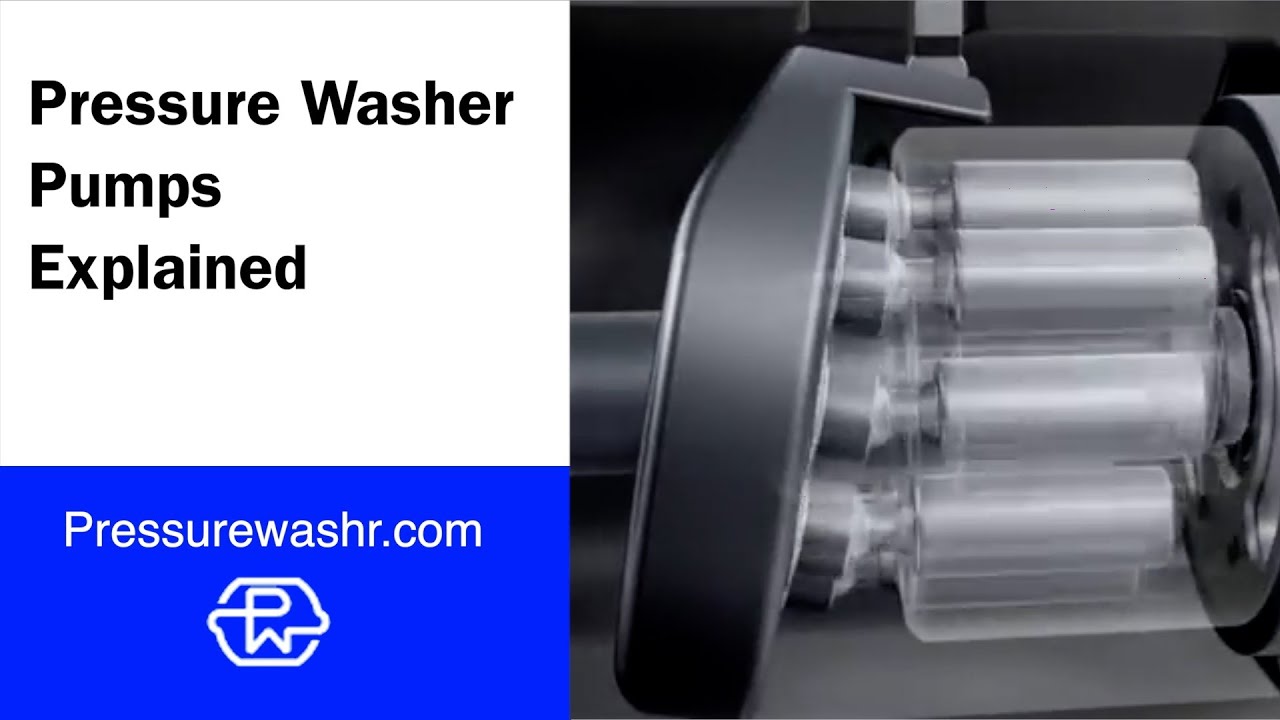
What Are Those Pump Power Tank Washers Called
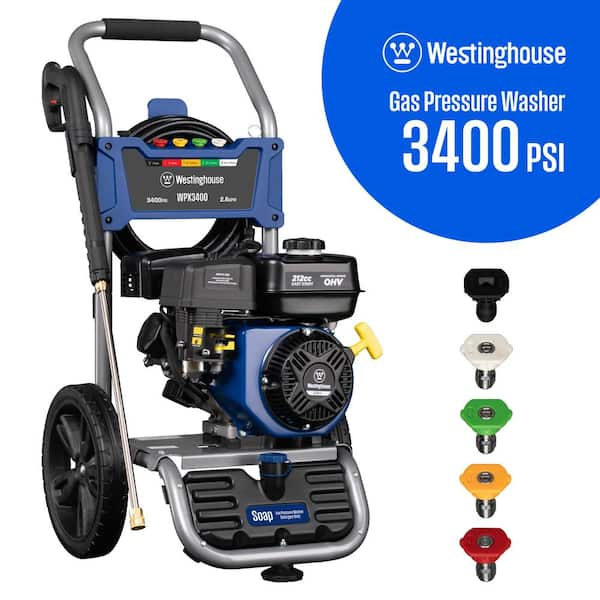
Let's face it, there's something undeniably satisfying about blasting away dirt and grime. Whether it's transforming a moss-covered patio into a pristine entertainment space or giving your car that showroom shine, the raw power of pressurized water is strangely therapeutic. But what are those contraptions that make all this cleaning magic possible? What are those pump power tank washers actually called?
While you might hear a few different terms floating around, the most common and widely accepted name for these devices is pressure washers. You might also hear them called power washers, but there's a subtle, important difference: true power washers use heated water, while pressure washers use cold water (though some models can heat the water). This article focuses on the more common type: pressure washers.
So, why are pressure washers so popular? Their benefits are numerous. For starters, they save time and effort. Scrubbing stubborn stains with a brush and soapy water can take hours, but a pressure washer can accomplish the same task in a fraction of the time. They're also incredibly versatile. Think beyond just washing your car. Pressure washers can clean fences, decks, driveways, siding, garden furniture, and even boats. They're essentially a one-stop shop for tackling tough cleaning jobs around the home.
Must Read
The purpose they serve is simple: to deliver a high-pressure stream of water that dislodges dirt, grime, mold, and other unwanted substances from surfaces. This not only improves the appearance of your belongings but can also extend their lifespan by preventing the buildup of corrosive materials. For example, removing mildew from your deck can prevent wood rot, saving you costly repairs down the line.
Common applications are plentiful. During the spring, many homeowners use pressure washers to clean their patios and prepare outdoor spaces for entertaining. Car enthusiasts use them for pre-washing vehicles, removing tough mud and road grime before applying soap. Businesses use them to clean building exteriors, parking lots, and industrial equipment. The possibilities are virtually endless.
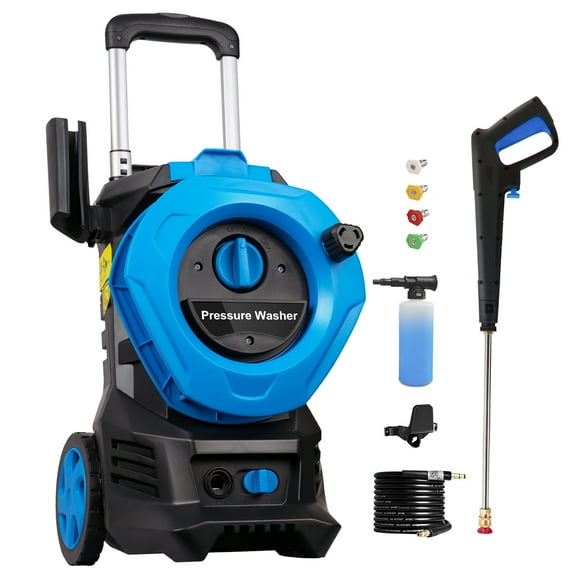
Want to make the most of your pressure washing experience? Here are a few practical tips:
- Choose the right nozzle: Different nozzles produce different spray patterns and pressures. Start with a wider nozzle and gradually decrease the spray angle for more concentrated cleaning power. Always test on an inconspicuous area first.
- Use appropriate detergents: Specialty detergents are available for various cleaning tasks, such as car washing, deck cleaning, and siding cleaning. Using the right detergent can significantly improve cleaning results.
- Maintain a safe distance: Holding the pressure washer too close to the surface can damage it. Maintain a safe distance and adjust the pressure as needed.
- Wear protective gear: Eye protection and closed-toe shoes are essential when operating a pressure washer.
- Read the manual: Before you begin, carefully read the manufacturer's instructions to understand the specific features and safety precautions of your pressure washer.
With a little practice and the right techniques, you can transform your pressure washer from a cleaning tool into a powerful ally in maintaining your home and belongings. So, the next time you see that satisfying jet of water blasting away dirt, remember it's all thanks to the humble, yet mighty, pressure washer.