
What Are The Winds In A Category 3 Hurricane

Okay, so you've heard of hurricanes, right? Big swirling storms that make the news and send everyone scrambling for extra batteries. But have you ever really thought about the wind inside one? Specifically, a Category 3 hurricane? It's not just a "blowy" situation; it's a full-blown wind symphony of chaos, and honestly, it's kind of fascinating (from a safe distance, of course!).
Think of a Category 3 hurricane as the diva of the storm world. She's not the quiet wallflower (that's more of a tropical depression), and she's not the full-blown, earth-shattering opera singer of a Category 5. She's right in the sweet spot: loud, powerful, and capable of causing serious drama. And that drama is powered by wind. Lots and lots of wind.
So, How Windy Are We Talking?
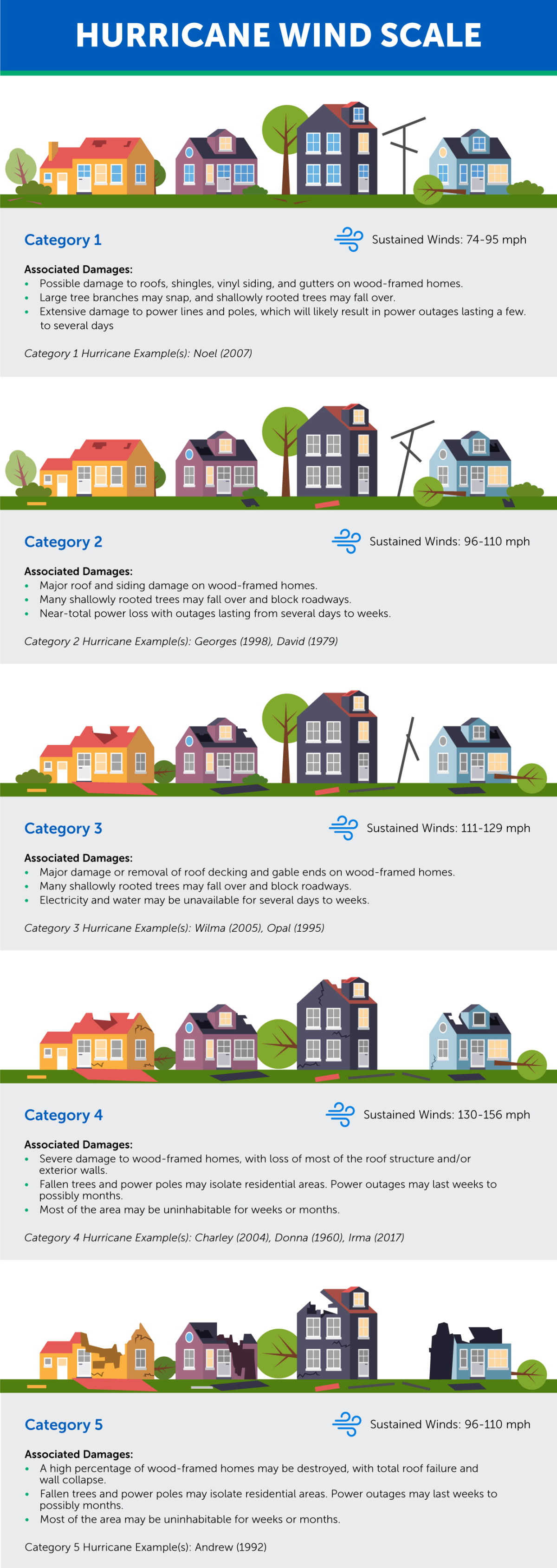
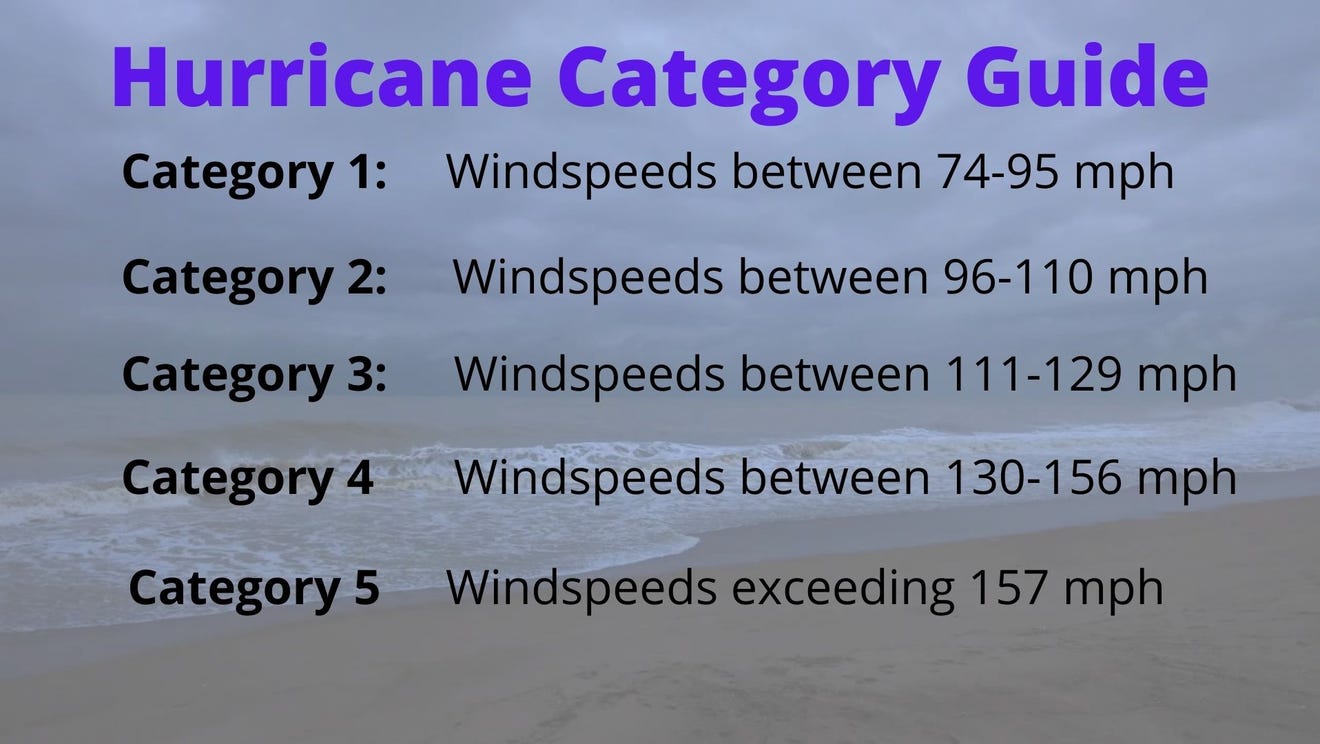
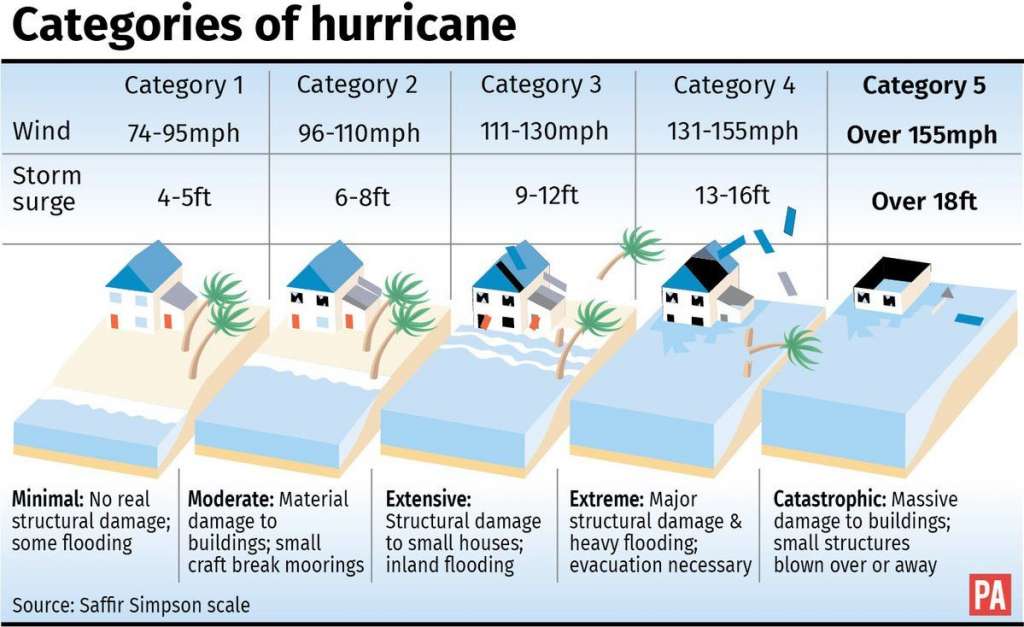
A Category 3 hurricane packs winds between 111 and 129 miles per hour. Let that sink in for a moment. That's faster than most cars on the highway! Imagine sticking your head out the window at that speed. (Please don't, by the way. Just...imagine.)
Must Read
But it's not just about speed. It's about the sustained nature of those winds. This isn't a quick gust; it's a relentless, unwavering push. It's like having a giant, invisible leaf blower pointed at your house for hours on end. Except instead of leaves, it's flinging around trees, power lines, and maybe even the occasional trampoline. And instead of a leaf blower, it's a spinning vortex of fury.
And the pressure! Oh, the pressure! The winds are so strong they literally suck the air out, creating a low-pressure system. It's like the storm is trying to vacuum the whole neighborhood into its whirling center.
The Funky Physics of Hurricane Winds
Now, the wind isn't just blowing willy-nilly. It's organized (relatively speaking, of course, for something that's basically a giant spinning tantrum). The winds spiral inwards towards the eye, which is the strangely calm center of the storm. Picture a drain in your bathtub – the water rushes towards the center in a swirling motion. Hurricane winds do something similar, only instead of water, it's air. And instead of a bathtub drain, it's a massive, angry storm.
But here's the quirky part: the strongest winds aren't actually in the eye. They're in the eyewall, the ring of thunderstorms that surrounds the eye. This is where the most intense energy is concentrated, and it's where those 111-129 mph winds really get to shine (or rather, roar).
What That Wind Feels Like (Hypothetically, of Course)
Let's be clear: experiencing these winds firsthand is not recommended. At all. But if you were to imagine it (again, hypothetically!), it wouldn't just be a simple breeze. It would be a full-body assault. You'd feel the force of the wind pressing against you, making it difficult to stand, to breathe, even to think straight. Objects would be flying through the air like angry projectiles. It's a sensory overload of the highest order.
It's a sound, too, a constant, deafening roar that drowns out everything else. People who have been through hurricanes often describe it as sounding like a freight train, or a jet engine, or even a combination of the two. It's the sound of raw, untamed power.

The Human Cost of Hurricane Winds
It's easy to get caught up in the science and the spectacle of hurricane winds. But it's crucial to remember that these storms have real-world consequences. Those powerful winds can rip apart homes, uproot trees, and cause widespread damage. They can also be incredibly dangerous, even deadly.
That's why it's so important to take hurricane warnings seriously. If you're in the path of a hurricane, heed the advice of local authorities, evacuate if necessary, and stay safe. Remember, that wind is not something to be trifled with.
So, the next time you hear about a Category 3 hurricane, take a moment to appreciate the sheer power of those winds. But also remember the importance of preparation and safety. Stay informed, stay safe, and let's all hope that diva stays far, far away.
And hey, maybe next time you're caught in a really strong gust of wind, you can tell yourself, "Well, at least it's not 120 mph!" A little perspective can go a long way. Especially when it comes to surviving the weather's wild side.
Understanding the power of these storms, especially the wind, is crucial for preparedness. Remember, Hurricane preparedness starts with understanding the risks.