
What Are The Winds In A Category 2 Hurricane

Okay, so you've heard about hurricanes, right? Big swirling storms that can cause a lot of trouble. We're not talking about a gentle summer breeze here – we're talking serious wind power. Today, let's break down exactly what we mean when we talk about a Category 2 hurricane and, specifically, its winds. Why should you care? Well, understanding this stuff can help you stay safe and make smart decisions when those weather alerts start flashing!
What Exactly Are We Talking About?
Think of the Saffir-Simpson Hurricane Wind Scale as a hurricane report card. It goes from Category 1 (least intense) to Category 5 (most intense). A Category 2 hurricane is, well, in the middle-ish. It's a step up from Category 1, and it definitely means business.
The key to understanding a Category 2 is its sustained wind speed. That's the average wind speed over a one-minute period. For a storm to be classified as a Category 2, it needs to have sustained winds of 96 to 110 miles per hour.
Must Read
Now, imagine that for a second. 96 to 110 mph! That's fast.
Relating 96-110 MPH to Everyday Life
Let's put that into perspective. Imagine you're driving on the highway, and you're really pushing it. Maybe you're trying to catch a flight or make it to that sale before it ends. You're probably going around 70-80 mph. Now, picture that same speed, but instead of a smooth ride, you're getting slammed by a wall of air pushing against you.
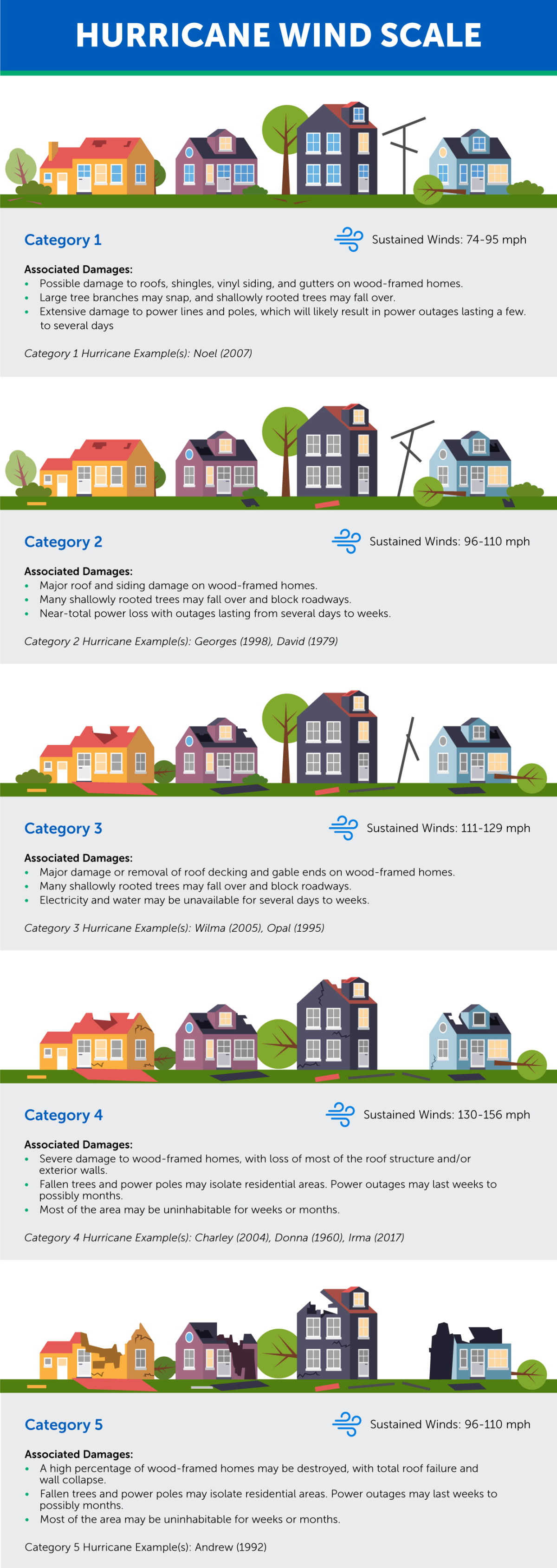
That’s a good mental image, but still not quite the same. Think about this: those winds are strong enough to uproot trees. We're talking big, established trees that have been around for decades. They can also do some serious damage to roofs and windows.
Ever see those videos of stop signs bending nearly in half during a storm? That's often a Category 2 situation. It's not just a strong gust; it's relentless, sustained pressure.
![Hurricane Categories [+ Free Prep Checklist] - AlertMedia](https://www.alertmedia.com/wp-content/uploads/2020/05/Blog-HurricaneCategories-inline-Cat2-963x1024.png)
Why Should You Care About These Winds?
Alright, so it's windy. Big deal, right? Wrong! Understanding the wind speeds of a Category 2 hurricane is absolutely crucial for a few reasons:
*Safety First: Knowing that these winds can cause significant structural damage means you can take precautions to protect your home and yourself. Think boarding up windows, reinforcing your roof (if possible), and most importantly, evacuating if you're in an area that's been advised to do so.
*Understanding the Risk: "Hurricane" is a scary word, but knowing the category gives you a much better understanding of the actual risk you face. A Category 2 is significantly more dangerous than a Category 1. Don’t just dismiss it as “just a little wind.”

Making Informed Decisions: Should you stay or should you go? That's a big question during hurricane season. Understanding the potential wind damage helps you weigh the risks and make the best decision for your family. Are you living in a mobile home? It's definitely time to head inland. Living in a sturdy, well-built house away from the coast? Your plan might be different.
What Does a Category 2 Hurricane Actually Look Like?
Imagine standing outside (don't actually do this during a hurricane!) and the wind is so strong, you can barely stand up straight. Tree branches are snapping off, and debris is flying everywhere. Power lines are swaying wildly, and you can hear the roar of the wind above everything else. Rain is coming down sideways, stinging your face. That’s a Category 2 storm, or building to it.
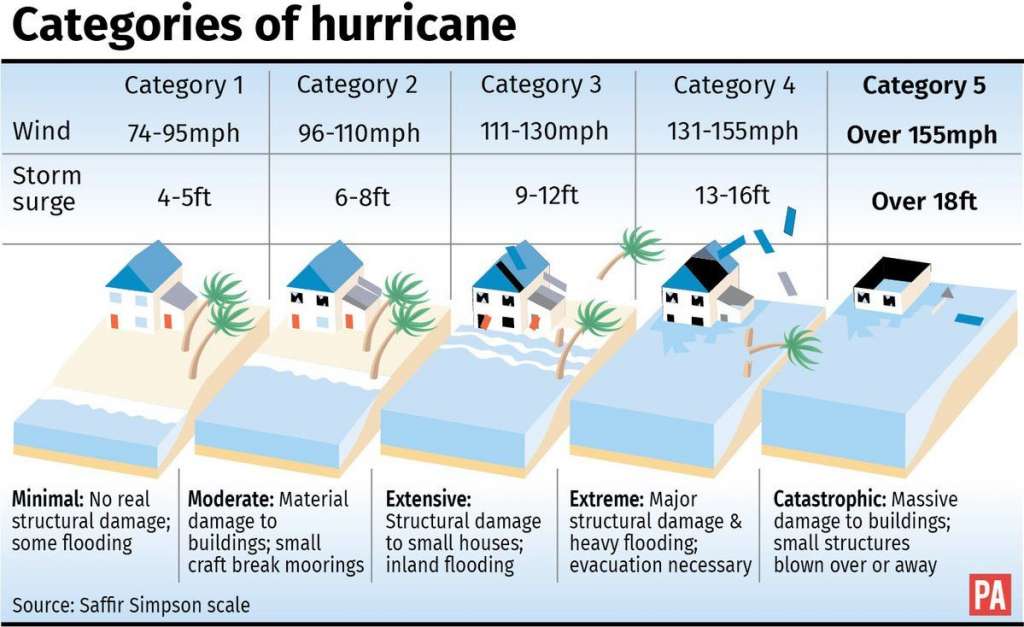
It’s not just about the wind, of course. There's also heavy rainfall, which can cause flooding. And there's the potential for storm surge, which is when the ocean level rises dramatically and inundates coastal areas. All of these factors combined make a Category 2 hurricane a serious threat.
Don't Be A Hero: Take It Seriously!
The bottom line is this: don't underestimate the power of a Category 2 hurricane. Those 96-110 mph winds are no joke. Listen to your local authorities, follow their advice, and take the necessary precautions to stay safe. It's better to be overly cautious than to put yourself and your loved ones at risk. Think of it like this: it's better to have boarded up your windows and evacuated unnecessarily than to wish you had when the storm hits.
Being prepared and informed is the best way to weather any storm – literally! Stay safe out there!