
What Are The Winds For A Category 1 Hurricane
Ever wonder what it really means when you hear about a Category 1 hurricane barreling towards the coast? We often focus on the potential for flooding, but the wind itself is a major player in the destructive power of these storms. Understanding the winds associated with a Category 1 hurricane isn't just for meteorologists; it's knowledge that can help you understand the risks, make informed decisions, and appreciate the sheer force of nature.
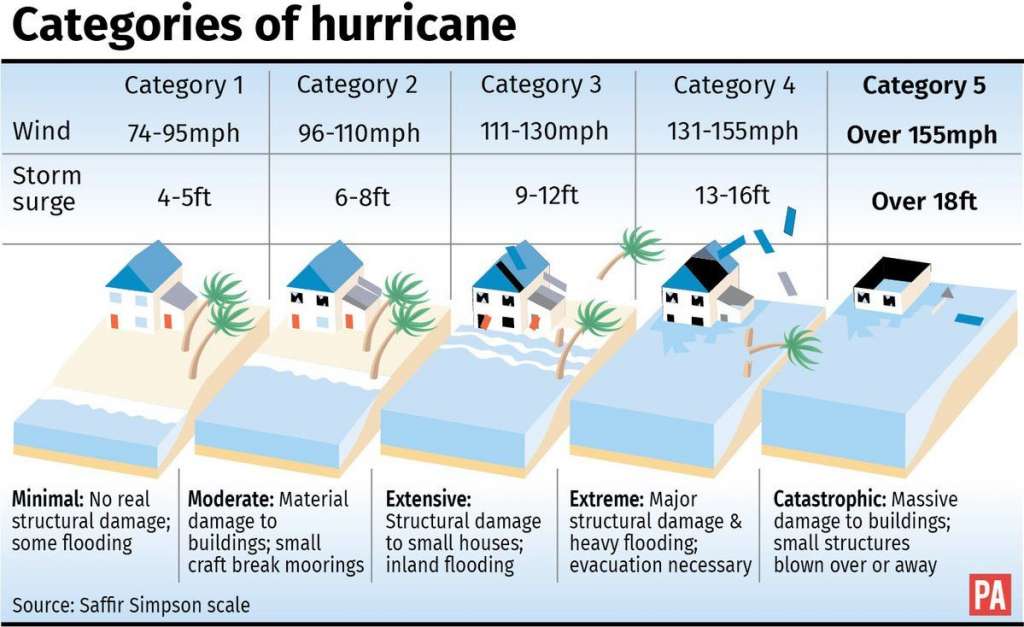
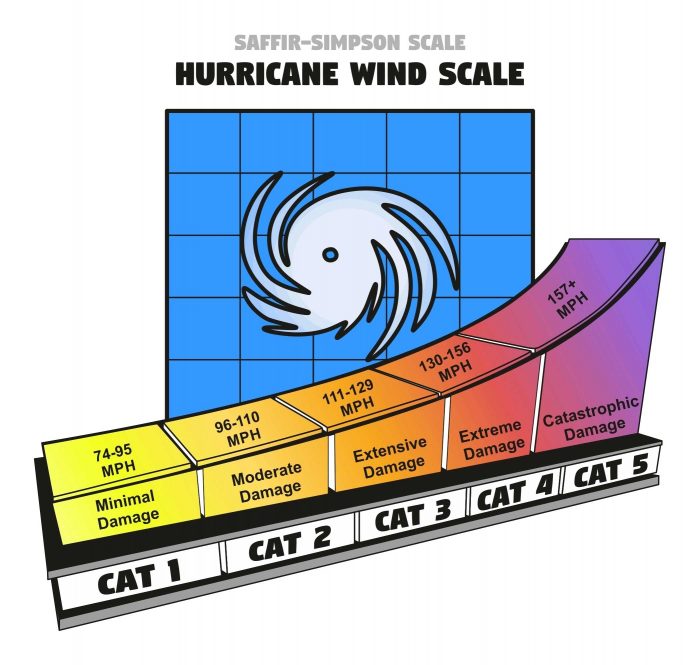
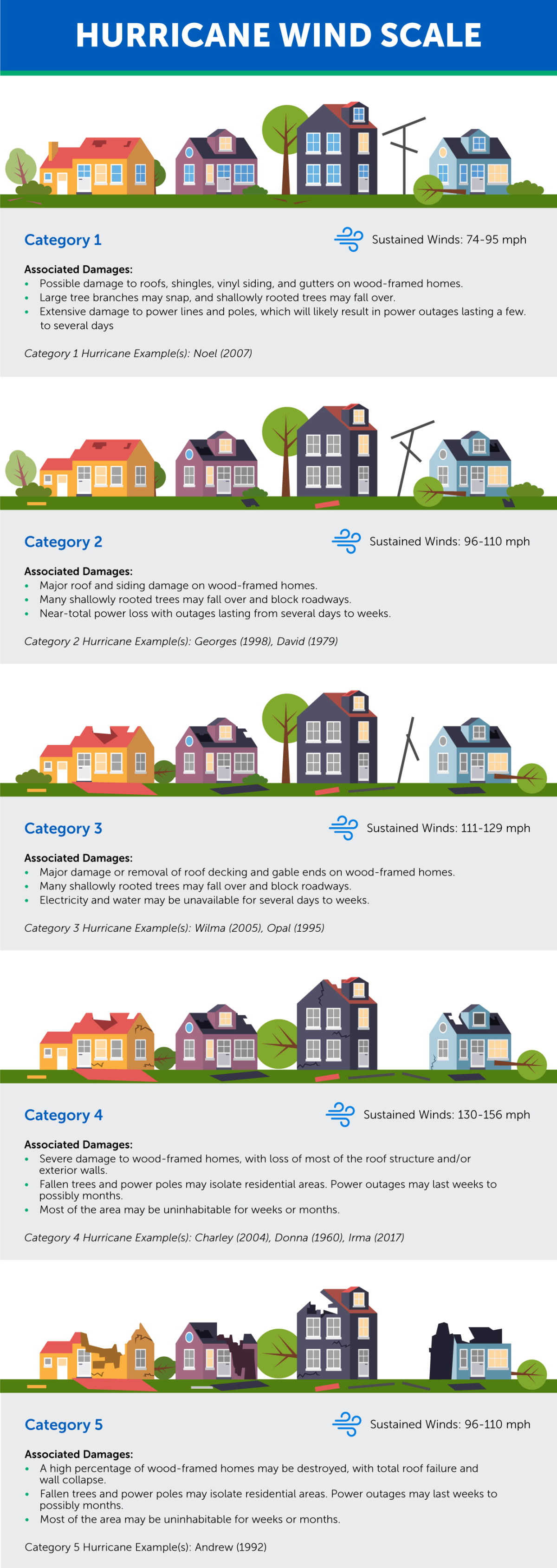
So, what kind of winds are we talking about? A Category 1 hurricane, according to the Saffir-Simpson Hurricane Wind Scale, packs sustained winds between 74 and 95 miles per hour (119-153 kilometers per hour). That's a significant amount of force! Think about it: a typical strong thunderstorm might have gusts up to 60 mph. A Category 1 hurricane blows much harder, and that strength is sustained over a much longer period.
The purpose of understanding hurricane wind speeds is all about preparedness and safety. Knowing the wind strength associated with each category helps emergency management agencies plan evacuations and allocate resources. For individuals, it helps you assess the risk to your home and make informed decisions about whether to evacuate or shelter in place. It’s about translating numbers into a real-world understanding of potential impact.
Must Read
What sort of damage can these winds cause? Category 1 hurricane winds are strong enough to damage unanchored mobile homes. They can also break branches off trees, snap power lines, and cause minor damage to roofs. Coastal flooding and erosion are also common issues, especially when combined with high tides. This isn't something to take lightly. In daily life, this knowledge can guide your preparations. For example, knowing that a Category 1 can snap tree branches might prompt you to trim trees around your home before hurricane season. It could also influence your decision to reinforce your garage door, a common weak point in many homes.

In education, learning about hurricane wind speeds is a great way to introduce students to concepts in physics, like force and pressure. You could even create a simple experiment where students try to blow down different structures with a fan at varying speeds to illustrate the impact of wind force. Science is not just memorizing facts, but also how it relates to our daily lives.
Want to explore hurricane winds further? A simple way is to use online resources. Many websites allow you to track current storms and visualize wind fields. Some even have interactive simulations that show the potential impact of different wind speeds. You can also research past hurricanes and read firsthand accounts of the damage they caused. Learning about past events is a powerful way to internalize the potential impact of future storms. Look up the Saffir-Simpson Hurricane Wind Scale and study the different categories and associated damage. The more you know, the better prepared you'll be! Remember, even a Category 1 hurricane can be a serious threat, so understanding the winds is a crucial step in staying safe.
![Hurricane Categories [+ Free Prep Checklist] - AlertMedia](https://www.alertmedia.com/wp-content/uploads/2020/05/Blog-HurricaneCategories-inline-Cat1-963x1024.png)